




Every year, millions of tons of agricultural waste are burned, discarded, or left unused after harvest seasons. Straw from rice, wheat, corn, and other crops often creates disposal challenges for farmers and agricultural companies. However, modern biomass processing technology is changing this situation rapidly.
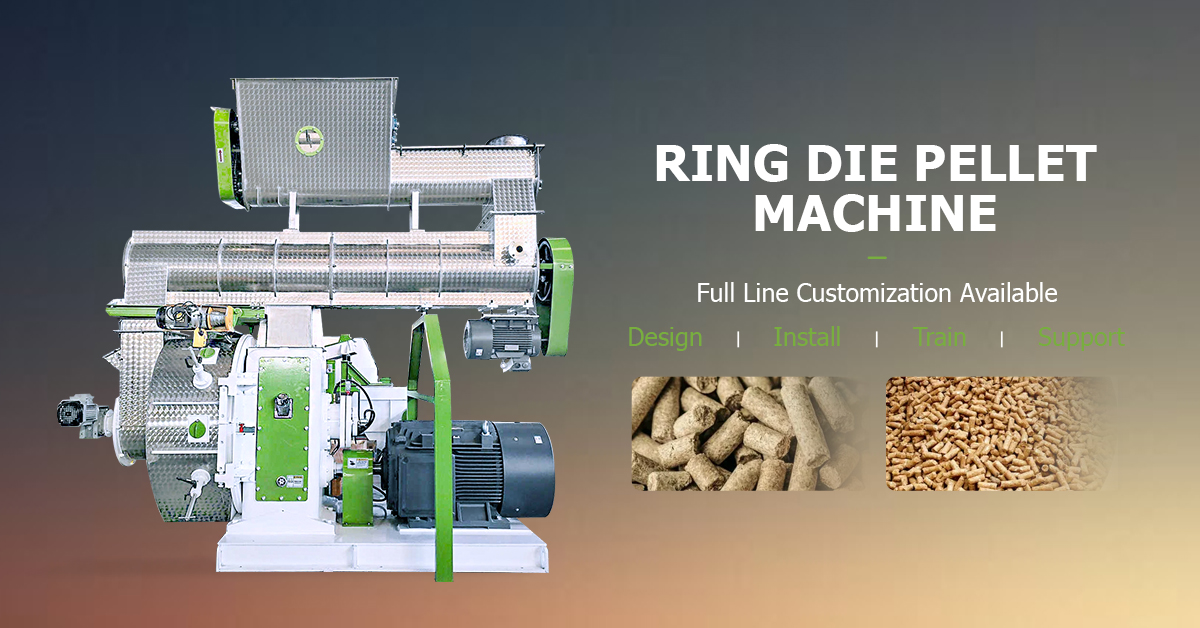
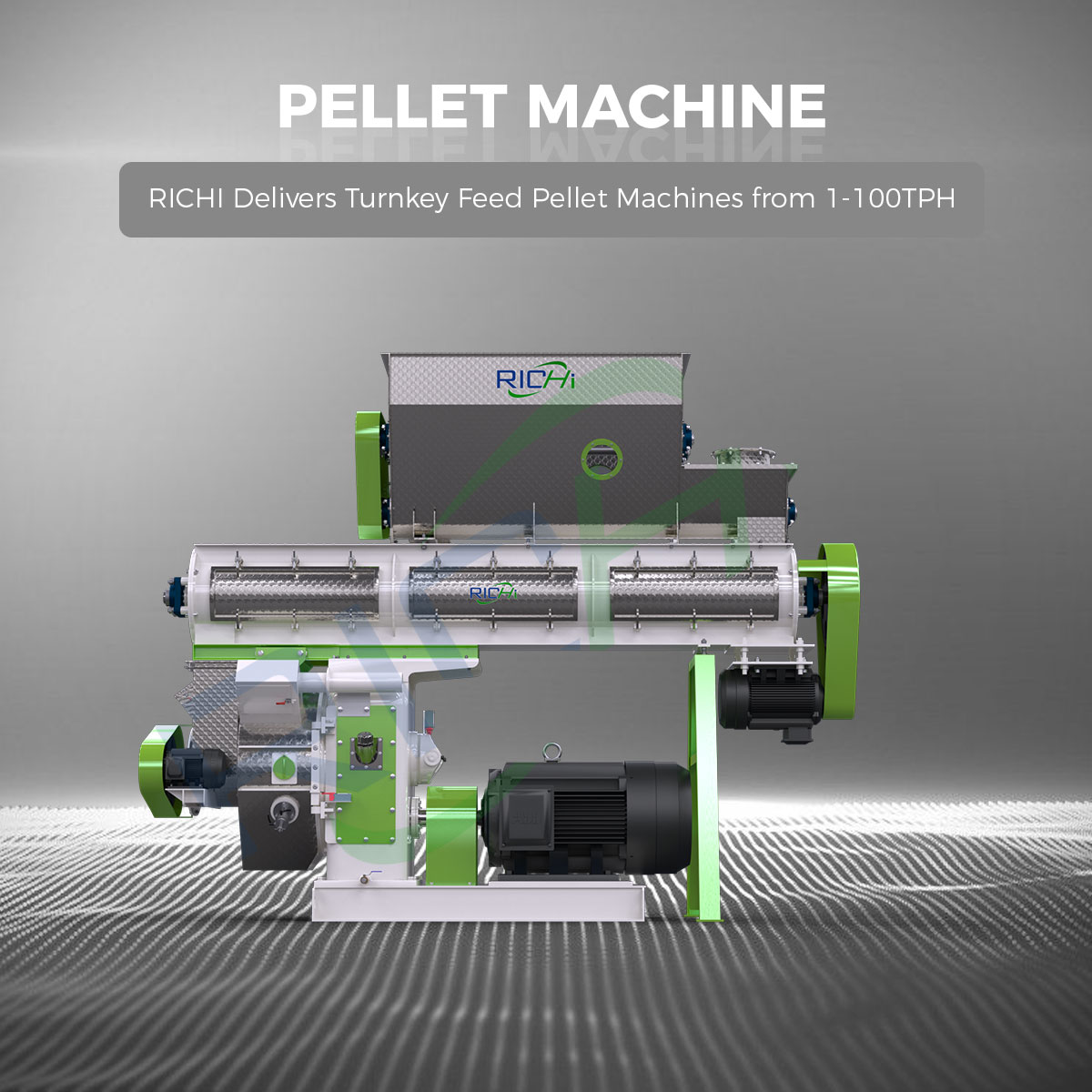

Today, the Straw Pellet Mill is becoming one of the most valuable solutions for converting low-value crop residues into profitable biomass fuel products.
Agricultural Waste Is Becoming an Energy Resource
In the past, crop straw was mainly treated as waste. Open burning not only polluted the environment but also wasted large amounts of renewable biomass resources.
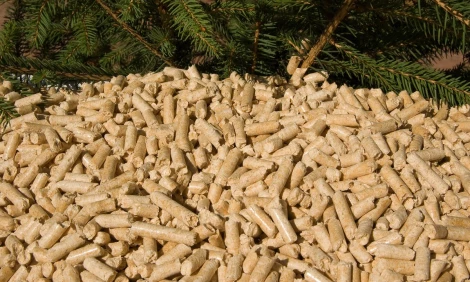
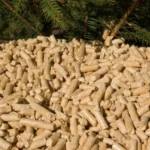
With pelletizing technology, loose straw materials can now be compressed into dense fuel pellets suitable for:
- Industrial boilers
- Commercial heating systems
- Biomass power plants
- Farm heating projects
This transformation creates both environmental and economic benefits.
Why Straw Pellets Are Easier to Commercialize
Loose straw has several disadvantages:
- Large storage volume
- Difficult transportation
- High moisture absorption
- Low combustion efficiency
After pelletizing, however, straw becomes far more practical for industrial applications.
Pellets are:
- Denser
- Easier to store
- More stable during transport
- More efficient during combustion
Many biomass investors who originally focused on a wood chip pellet machine are now expanding into straw pellet production because agricultural biomass resources are often cheaper and more widely available.
The Importance of Raw Material Preparation
Straw materials require proper preparation before pelletizing.
Large straw pieces usually pass through crushing equipment to reduce particle size. After crushing, moisture content must be adjusted to suitable levels, typically around 13-15%.
Proper moisture control is critical because excessive water can cause:
- Machine blockage
- Poor pellet formation
- Lower production efficiency
Industrial drying systems are therefore essential for stable pellet production.
Modern Pellet Mills Improve Production Stability
Advanced Straw Pellet Mill systems are designed for continuous industrial production.
Modern features may include:
- Automatic lubrication systems
- Forced feeding systems
- Intelligent control systems
- Heavy-duty ring die structures
These technologies help improve pellet density and reduce equipment wear during long-term operation.
Many buyers searching for a sawdust pellet machine for sale are also looking for multifunctional biomass systems capable of processing mixed raw materials.
Mixed Biomass Is Becoming a New Trend
Instead of relying on a single raw material, many factories now combine:
- Rice straw
- Corn stalks
- Sawdust
- Wood chips
- Forestry waste
This mixed biomass strategy helps stabilize production costs and improve pellet combustion performance.
Factories capable of processing multiple biomass materials usually gain stronger market competitiveness.
Why Global Demand Continues Growing
The global renewable energy market continues expanding as governments promote cleaner fuel alternatives.
Biomass pellets are increasingly used because they:
- Reduce agricultural waste pollution
- Improve renewable energy utilization
- Lower fossil fuel dependence
- Create additional farm income opportunities
This makes straw pellet production attractive for both agricultural businesses and industrial energy companies.
Choosing the Right Pellet Production Partner
Different straw materials require different pelletizing configurations. Feed systems, drying capacity, and ring die structures all influence final pellet quality.
For this reason, many biomass investors cooperate with Richi Machinery, which provides customized biomass pellet production solutions for various agricultural and forestry residues.
Whether processing wheat straw, rice straw, or mixed biomass materials, selecting the right equipment can significantly improve long-term production efficiency.
If you are exploring modern biomass pellet production technologies, you could try these out for additional industrial pelletizing solutions.