Fern

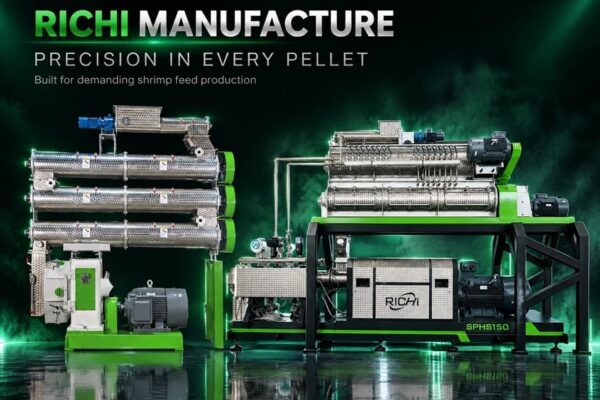
Building a Flexible Aquatic Feed Production Plant

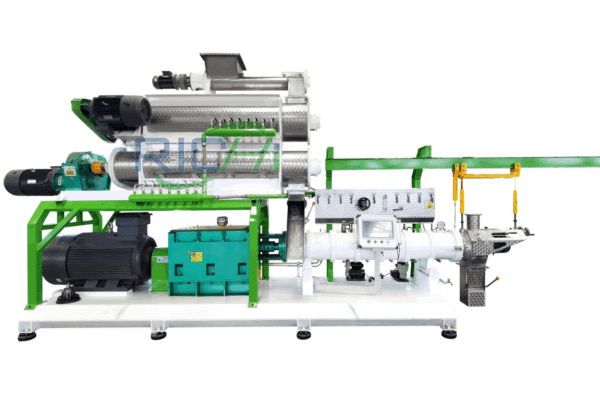
Aquaculture markets are rarely static. Feed manufacturers may begin by serving one shrimp species and later expand into fish or other aquatic products. This makes flexibility an important consideration when selecting a shrimp feed pellet machine and planning the surrounding production equipment. Why Flexibility Matters A factory designed around only one product can become difficult to…
Read Full News
floating fish feed extruder machine

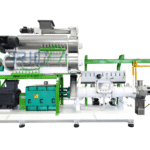
1–2 TPH Floating Fish Feed Production: Equipment Guide

A production capacity of 1–2 tons per hour can be suitable for commercial aquaculture feed production and medium-sized feed businesses. At this scale, the production system needs to maintain a stable flow of ingredients through grinding, mixing, extrusion, drying, cooling, and packaging. The main equipment is important, but the performance of the complete system depends…

Read Full News

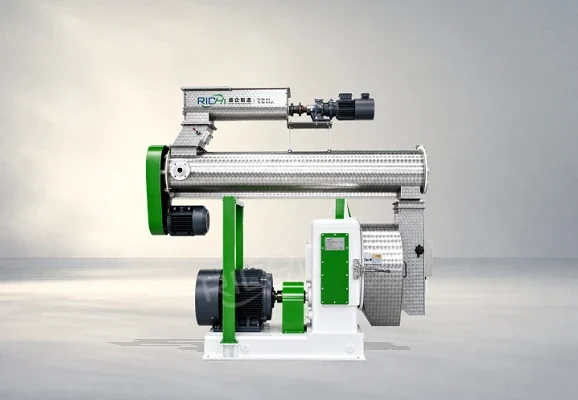
How High-Capacity Feed Pellet Mills Maintain Stable Production

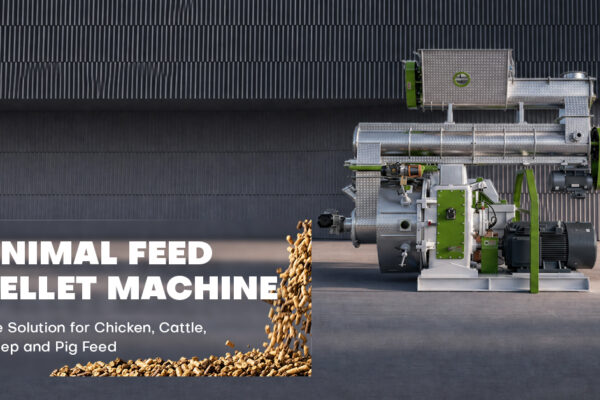
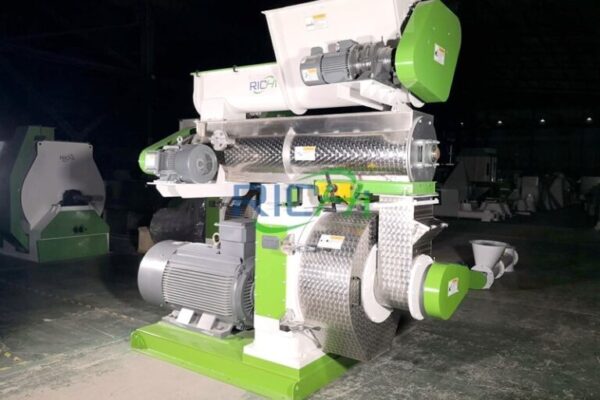
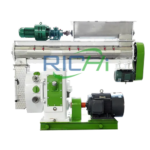
Increasing feed production capacity is not simply a matter of installing a larger motor. High-output pelletizing requires coordinated equipment, stable raw material preparation, reliable feeding, effective conditioning, and sufficient downstream processing capacity. An animal feed pellet mill machine is the central equipment in the pelleting section, but its performance depends on the conditions created by…

Read Full News

What Does It Take to Build a Flexible Feed Factory for Different Livestock?

A feed factory serving only one type of livestock can be relatively straightforward to organize. But businesses that supply multiple animal species face a much more complicated challenge. Rabbit feed may require a different pellet size from goat feed. Alfalfa-based products may require different preparation from grain-heavy formulas. One customer may need a small batch…

Read Full News
Straw Pellet Mill

Is Your Farm Sitting on a Goldmine Without Realizing It?

For decades, livestock farmers have treated manure as a necessary evil—a smelly byproduct that requires constant management, poses environmental risks, and eats into operational budgets. However, a quiet revolution is taking place in the agricultural sector. What was once considered waste is now being re-evaluated as a high-value resource. The shift from disposal to utilization…

Read Full News

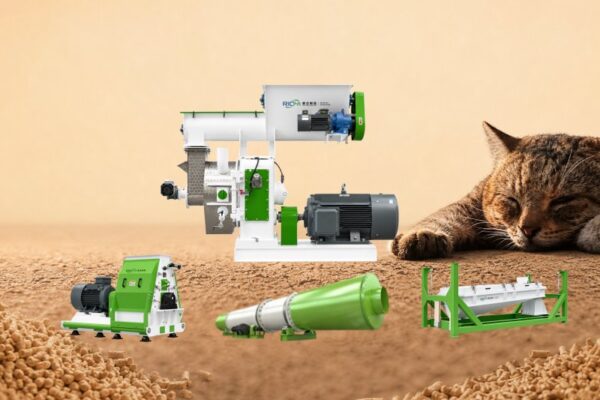
Tofu Cat Litter Production Line: Manufacturing Premium Plant-Based Pellets

The global shift toward sustainable pet products has positioned plant-based litter as a preferred choice for environmentally conscious consumers. At the core of this growing industry is the tofu cat litter production line – a sophisticated manufacturing system designed to transform agricultural byproducts into high-performance, biodegradable litter pellets. Whether you are entering the pet care manufacturing sector…

Read Full News