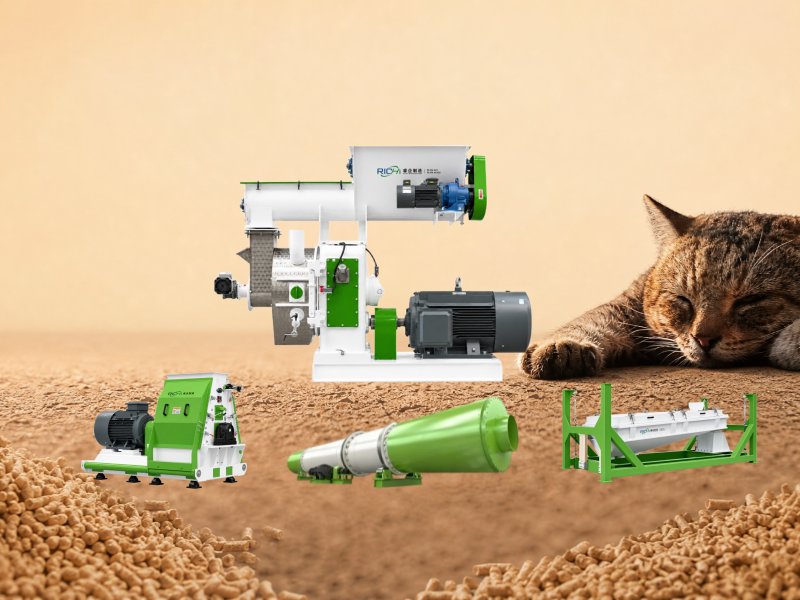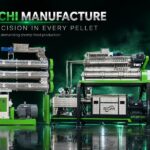


The global shift toward sustainable pet products has positioned plant-based litter as a preferred choice for environmentally conscious consumers. At the core of this growing industry is the tofu cat litter production line – a sophisticated manufacturing system designed to transform agricultural byproducts into high-performance, biodegradable litter pellets. Whether you are entering the pet care manufacturing sector or expanding existing operations, understanding the capabilities of modern production lines is essential for achieving consistent quality and operational efficiency.
Understanding the Finished Product: Tofu Cat Litter Pellets
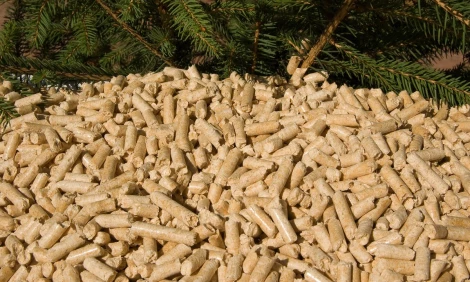
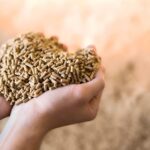
Before examining the production process, it is important to understand what makes this product unique. Cat litter pellets made from tofu offer several distinct advantages over traditional clay-based alternatives: superior clumping ability, excellent odor control, low dust generation, and flushable biodegradability. These pellets are typically cylindrical in shape, ranging from 2 to 6 millimeters in diameter, and are produced from ingredients such as soybean residue (okara), corn starch, tapioca starch, and pea fiber. The natural binding properties of these plant-based materials create pellets that rapidly absorb moisture and form tight clumps, meeting the performance expectations of discerning pet owners.
The Rise of Plant-Based Litter Manufacturing
Consumer demand for sustainable pet products continues to drive innovation in litter manufacturing. A tofu cat litter production line offers manufacturers the ability to capitalize on this trend by converting agricultural byproducts – such as soybean residue from tofu production – into high-value pet care products. This circular economy approach not only reduces waste but also creates new revenue streams for agricultural processors. Markets across Southeast Asia, Europe, and the Middle East are showing strong growth, making investment in production capacity a strategic business decision.
Core Equipment and Process Flow
Raw Material Preparation and Mixing
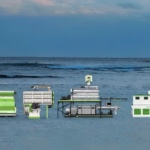
The manufacturing journey begins with raw material preparation. In a typical tofu cat litter production line, ingredients are first fed into a grinding system to achieve uniform particle size, followed by precise batching according to formulation requirements. A high-efficiency mixer then blends the dry ingredients with controlled amounts of water and functional additives such as natural deodorizers or colorants. This step is critical for ensuring consistent pellet quality and optimal binding properties during the extrusion process.
Pelletizing: The Heart of the Line
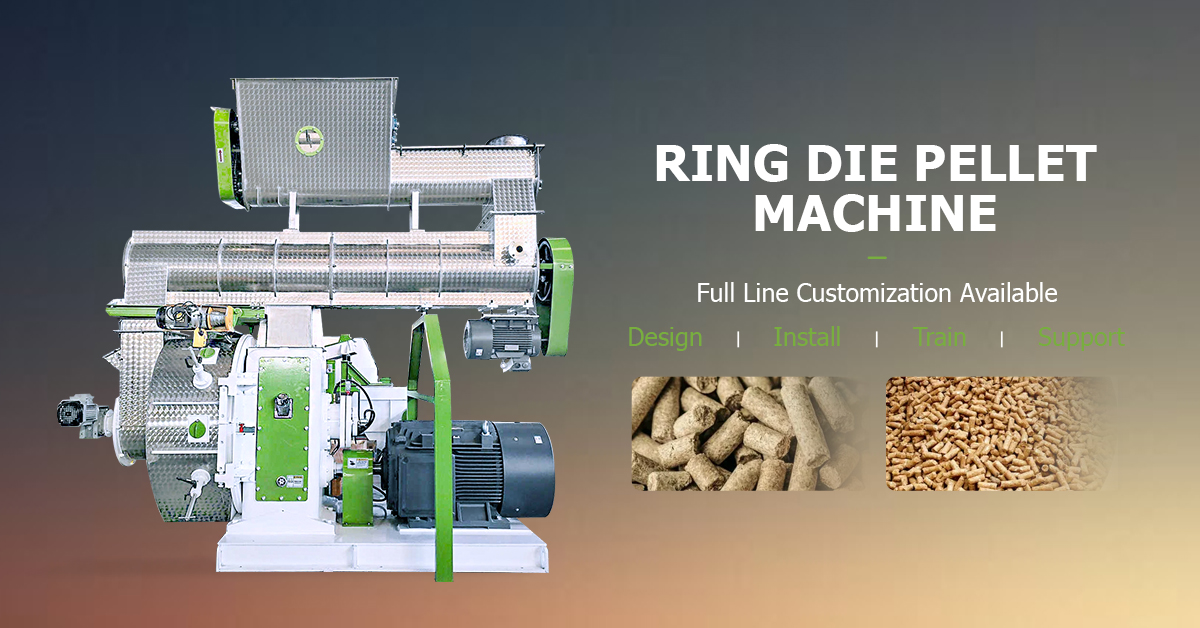

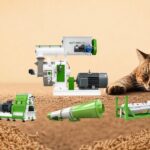
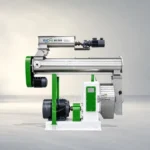
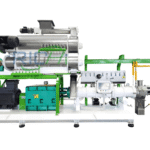
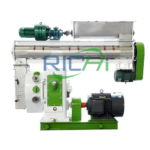
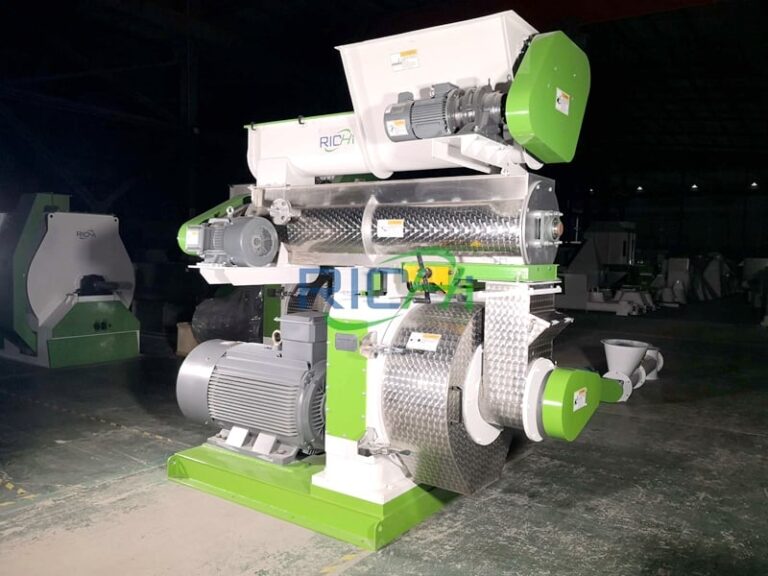
The cat litter pellets take shape during the pelletizing stage, which serves as the core of the production process. Specialized pellet mills, such as the MSZLH series, are designed specifically for tofu cat litter production, featuring conditioners that add moisture or steam to raw materials before extrusion. These machines apply high pressure to force the prepared mixture through ring dies, creating uniform cylindrical pellets. The ring die compression ratio and pellet length can be adjusted to meet specific product requirements, allowing manufacturers to produce varying pellet sizes and densities.
Drying, Cooling, and Screening
After pelletizing, the freshly formed pellets contain significant moisture that must be reduced to ensure stability and durability. A continuous belt dryer, often operating at temperatures around 50-60°C, gently removes moisture without compromising pellet integrity. Following drying, a counterflow cooler reduces pellet temperature to ambient levels, which helps prevent condensation during packaging and improves pellet hardness. Finally, vibrating screens separate finished cat litter pellets from fines and oversized particles, with rejected material typically recycled back into the production process to minimize waste.
Production Capacity and Global Projects
Scalable Solutions for Different Markets
Modern production lines are available in a wide range of capacities to suit diverse business needs. For small to medium-scale operations, lines producing 0.5 to 2 tons per hour offer an accessible entry point, with investment costs starting around $58,000 to $150,000 depending on automation levels and equipment specifications. Larger industrial-scale systems can achieve outputs of 10 to 40 tons per hour, serving major pet product manufacturers and export markets. Regardless of scale, a complete tofu cat litter production line integrates all stages from raw material handling through final packaging, ensuring streamlined workflow and consistent quality control.
Successful Installations Worldwide
Leading equipment manufacturers have established a strong global presence through successful project implementations. For instance, Richi manufacture has completed tofu cat litter production lines across multiple countries, including a 1-2 ton per hour facility in Iran utilizing soybean residue and corn flour, a 5 ton per hour plant in Indonesia converting agricultural byproducts into marketable pet products, and a 3 ton per hour line in Vietnam serving regional distribution channels. A 1 ton per hour fully automated line in Russia demonstrates how advanced technology can be adapted to local raw material availability, using soybean meal, corn starch, and wheat flour as primary inputs. These diverse installations highlight the flexibility of modern production systems to accommodate different raw materials and market requirements.
Technical Considerations and Best Practices
Process Optimization for Quality Control
Achieving consistent pellet quality requires careful attention to several process parameters. Moisture content during drying must be precisely controlled – excessive moisture leads to pellet degradation during transport, while insufficient moisture can compromise clumping performance. Material layer thickness, airflow rate, and drying temperature all influence final product quality and energy efficiency. Additionally, ring die wear is a common challenge in pellet production; appropriate water addition during mixing can reduce friction between the raw material and die surface, extending component life and reducing maintenance downtime.
Partnering with an Experienced Manufacturer
Choosing the right equipment supplier is critical to long-term operational success. Partnering with a reputable manufacturer ensures access to reliable equipment, technical support, and process expertise. For example, Richi manufacture brings over three decades of experience in pellet production systems, offering comprehensive solutions from equipment selection through installation and commissioning. Their global network of successful projects provides valuable reference points for new investors evaluating production line configurations and capacity requirements.
Summary
Investing in a tofu cat litter production line offers manufacturers a strategic opportunity to enter the rapidly growing sustainable pet products market. From the initial processing of agricultural byproducts to the final packaging of premium cat litter pellets, modern production systems deliver consistent quality, operational efficiency, and scalability. With successful installations worldwide and capacities ranging from 0.5 to 40 tons per hour, the technology is accessible to businesses of all sizes. As consumer preference continues to shift toward biodegradable and flushable litter options, the demand for high-quality plant-based pellets will only increase, making now an opportune time to explore production capabilities.
Check the details: https://www.richimanufacture.com/cat-litter-pellet-machine/