


Increasing feed production capacity is not simply a matter of installing a larger motor. High-output pelletizing requires coordinated equipment, stable raw material preparation, reliable feeding, effective conditioning, and sufficient downstream processing capacity.
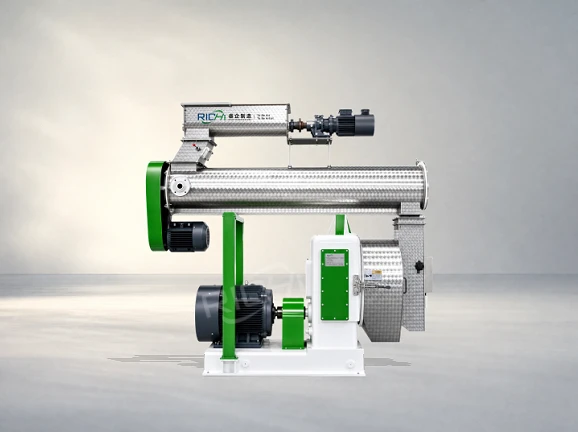
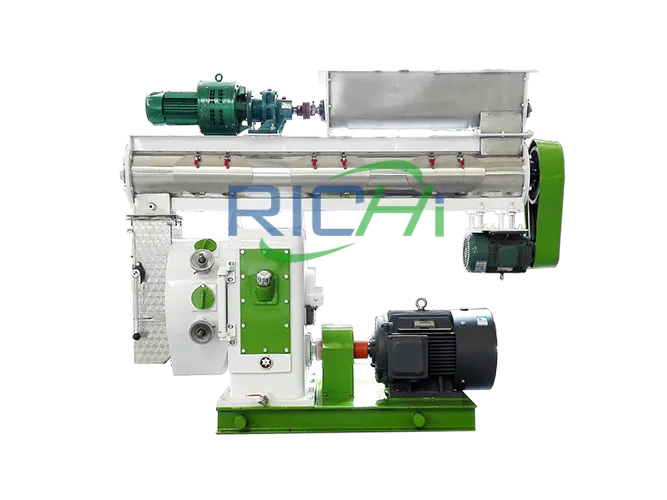
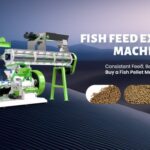
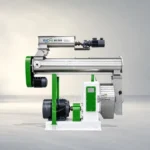
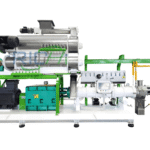
An animal feed pellet mill machine is the central equipment in the pelleting section, but its performance depends on the conditions created by the rest of the production line.
Capacity Depends on the Whole Process
A high-capacity system begins with raw material preparation. If the grinder cannot supply enough correctly sized material, the pellet mill cannot maintain its target output.
The same applies to mixing. A pellet mill requires a continuous supply of uniformly prepared mash. If batching or mixing is inconsistent, pellet quality may fluctuate even when the pellet mill itself is operating correctly.
The feeder must then provide a stable flow into the conditioner. These upstream stages form the foundation of high-capacity production.
Choosing High-Capacity Equipment
A high capacity livestock feed pellet mill should be evaluated according to the actual formula and operating conditions.
Livestock formulas may contain grain, soybean meal, forage, alfalfa, minerals, premix, and other ingredients. Some formulas flow easily, while others may contain more fibrous components.
The pellet mill should therefore be selected after reviewing raw materials, target pellet diameter, moisture, desired capacity, and production schedule.
Conditioning at Higher Output
Conditioning becomes especially important as output increases. Steam needs to be distributed effectively through the feed material before it enters the pelleting chamber.
A properly designed conditioner provides sufficient contact between steam and mash. The goal is to prepare the material consistently rather than simply adding heat.
Poor conditioning can contribute to unstable pellet formation, lower productivity, or increased mechanical stress.
The Importance of Cooling
Fresh pellets leave the pelletizing chamber at a high temperature. At higher production rates, the cooling system must be capable of handling the full output of the pellet mill.
An undersized cooler can become a major bottleneck. Pellets may accumulate while waiting for sufficient cooling capacity, disrupting the continuous process.
Cooling also supports subsequent screening and storage. Finished pellets should reach appropriate conditions before being packed or transferred to storage.
Screening and Pellet Quality
Screening helps separate acceptable pellets from fines. This is particularly important for commercial feed manufacturers where consistent product appearance matters.
If the pellet production process generates excessive fines, operators should investigate the cause rather than simply relying on screening to remove them. Possible factors can include raw material preparation, conditioning, die selection, roller adjustment, or handling after pelleting.
A balanced process generally produces better results than trying to correct problems downstream.
Mechanical Reliability
High-capacity equipment operates under substantial mechanical loads. Transmission components, bearings, rollers, dies, feeders, and safety devices must be maintained properly.
Routine inspection can help identify wear before it becomes a serious production problem. Lubrication, cleaning, die inspection, and roller adjustment are all part of normal maintenance.
Spare parts availability should also be considered when planning a high-capacity project. Long equipment downtime can be costly for commercial feed manufacturers.
Monitoring the Production Process
Operators should monitor more than hourly output. Pellet appearance, temperature, moisture, power consumption, feeding stability, and machine vibration can provide useful information about operating conditions.
When a change occurs, looking at the complete process can help identify the actual cause. For example, a sudden output reduction may originate from raw material moisture rather than the pellet mill itself.
Producers can click reference information about different equipment configurations before selecting a high-capacity system.
Selecting an Equipment Partner
Richi Pelletizer equipment is designed for animal feed and livestock feed applications across different production scales. The appropriate model and supporting equipment depend on the customer’s formula, output target, pellet size, and plant configuration.
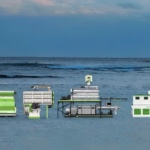
High-capacity production should always be approached as a system. A powerful pellet mill cannot compensate for inadequate grinding, mixing, conditioning, cooling, or material handling.
When each section is correctly matched, the production line can maintain more stable material flow, reduce bottlenecks, and support consistent pellet quality.
For feed manufacturers planning to expand, this system-based approach can be more valuable than focusing only on the rated capacity of the main pelletizing machine.
view details: https://www.richimanufacture.com/animal-feed-pellet-machine-for-sale/