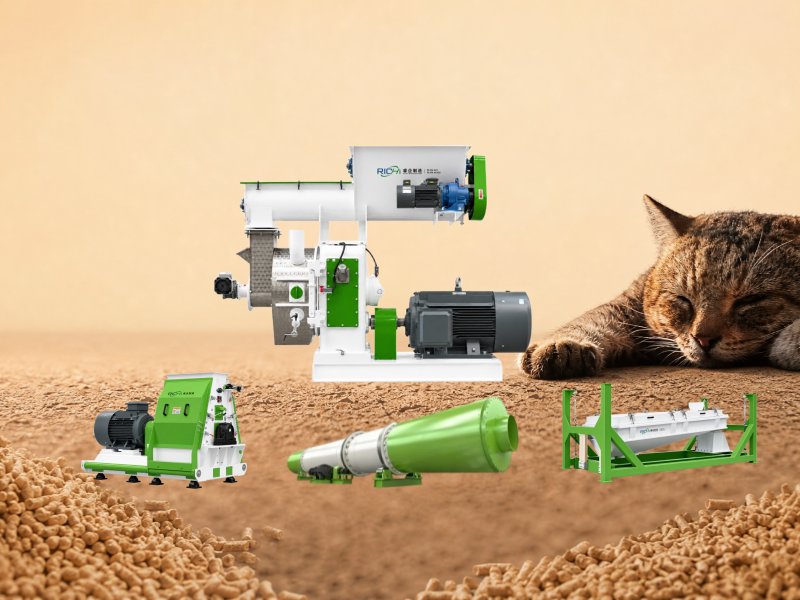




Investing in biomass pelletizing equipment is a significant business decision, and understanding the biomass pellet machine price landscape is critical before committing your capital. Prices can vary dramatically depending on machine type, capacity, build quality, and the manufacturer’s country of origin. This guide breaks down the key pricing factors to help you make an informed purchase.
Why Biomass Pellet Machine Prices Vary So Widely
The biomass pellet machine price range in the global market is broad — spanning from a few thousand dollars for small flat-die units to several hundred thousand dollars for large-scale ring-die industrial systems. This variation reflects fundamental differences in engineering, materials, output capacity, and automation level.
Understanding what drives price differences allows buyers to avoid both overpaying for unnecessary features and underpaying for equipment that won’t meet their production targets.
Key Factors That Influence Biomass Pellet Machine Price
1. Machine Type: Flat-Die vs. Ring-Die
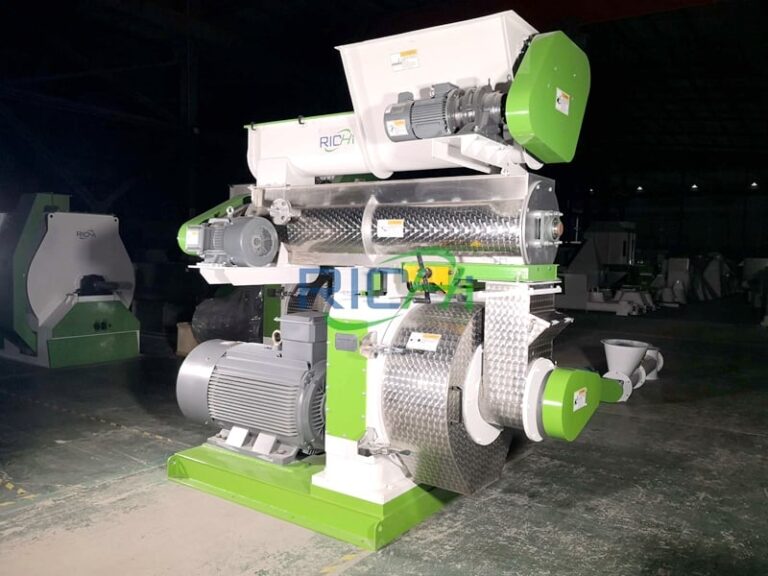
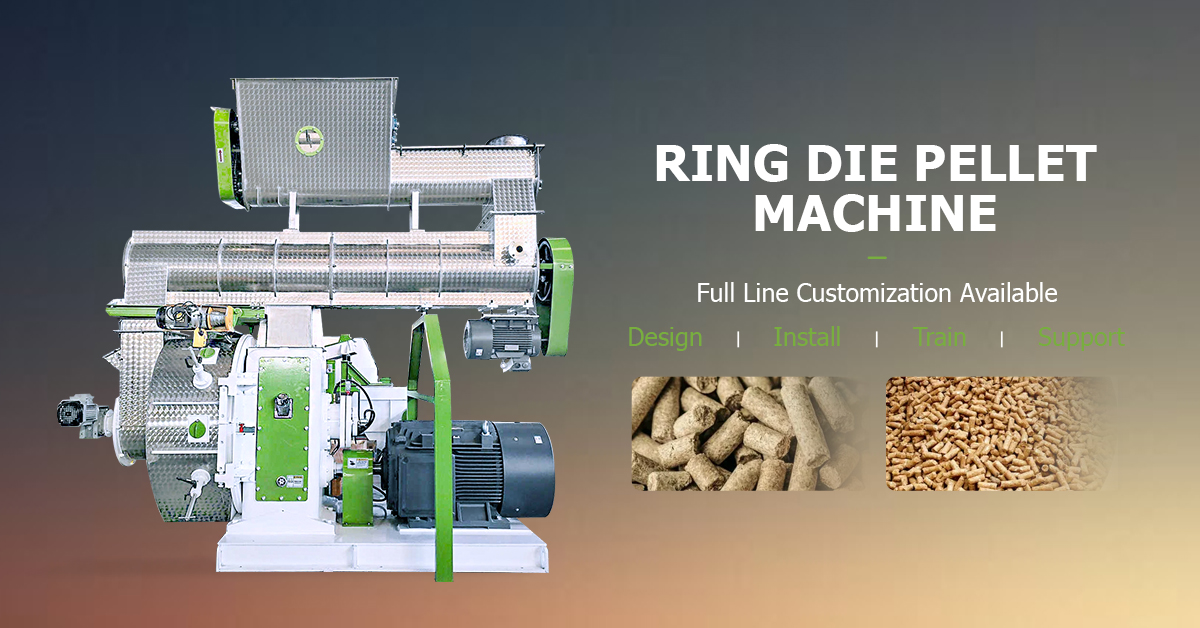
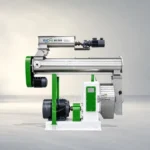
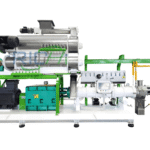
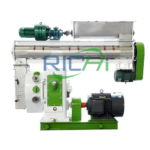
Flat-die pellet mills are generally more affordable and suited to small-scale or farm-level operations. Ring-die models, by contrast, are designed for continuous high-volume production and command a higher biomass pellet machine price due to their superior durability, output consistency, and energy efficiency.
2. Production Capacity
Output capacity — measured in tons per hour — is one of the most direct drivers of price. A 1 t/h machine will cost significantly less than a 5 t/h or 10 t/h system. It’s important to match capacity to actual market demand rather than over-investing in unused output potential.
3. Drive System and Motor Power
Machines equipped with high-efficiency motors, variable frequency drives, and advanced gearbox systems tend to carry a higher upfront biomass pellet machine price but deliver better long-term economics through lower energy consumption and reduced maintenance frequency.
4. Die and Roller Material
Premium dies made from alloy steel with specialized heat treatment last significantly longer than standard alternatives. While they raise initial costs, they reduce replacement frequency and downtime — factors that matter enormously in 24/7 production environments.
5. Automation and Control Systems
Modern pellet mills increasingly feature PLC-controlled automation, real-time monitoring, and remote diagnostics. These systems add to the biomass pellet machine price but greatly improve operational consistency and reduce the need for skilled on-site labor.
Comparing Wood Pellet Maker Options
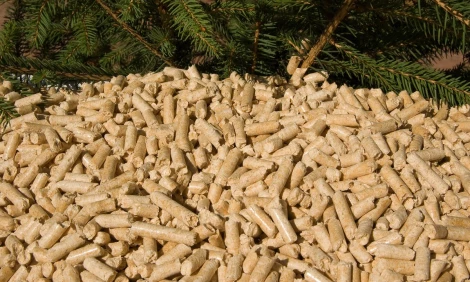
A wood pellet maker is a subcategory of biomass pelletizing equipment specifically optimized for wood-based feedstocks such as sawdust, wood shavings, and wood chips. When comparing wood pellet maker models, buyers should evaluate:
- Die compression ratio — matched to wood density and moisture content
- Roller adjustment mechanism — easier adjustment means faster changeovers
- Feed system design — ensures even material distribution across the die surface
- Noise and vibration levels — relevant for facilities operating in noise-sensitive areas
For side-by-side comparisons and full technical data sheets, visit this link to access detailed product listings.
Total Cost of Ownership vs. Sticker Price
Focusing only on the upfront biomass pellet machine price is a common and costly mistake. The true cost of ownership includes:
- Energy consumption per ton of pellets produced
- Spare parts availability and replacement frequency
- Labor requirements for operation and maintenance
- Warranty coverage and after-sales service quality
A machine priced 20% higher than a competitor may deliver 40% lower total operational costs over a five-year period, making it the smarter investment.
Sourcing From a Reliable Manufacturer
When evaluating suppliers, certifications, export experience, and client references matter as much as the quoted biomass pellet machine price. Richi manufacture is a globally recognized supplier with decades of experience producing both wood pellet maker systems and large-scale industrial pellet lines. Their transparent pricing model and comprehensive after-sales support make them a trusted choice for buyers across more than 100 countries.
Practical Buying Tips
- Request multiple quotations from different suppliers for the same capacity specifications.
- Ask for a factory visit or video audit to verify actual production quality.
- Clarify what’s included — installation, commissioning, training, and spare parts packages vary widely.
- Check payment terms and delivery timelines before signing any contract.
For the most current pricing and configuration options, explore this link and speak directly with the technical sales team at Richi manufacture to get a quote tailored to your project requirements.
https://www.richimanufacture.com/biomass-pellet-making-machine/