




Introduction: The Rising Demand for Sustainable Biomass Solutions
The global energy industry is undergoing significant changes as businesses and governments search for cleaner and more sustainable alternatives. With increasing attention on carbon reduction and renewable energy development, biomass resources have become an important part of the future energy landscape.
Among various biomass materials, agricultural residues have attracted considerable interest because of their wide availability and renewable characteristics. Materials such as rice straw, corn stalks, wheat straw, and other crop residues can be processed into valuable products instead of being discarded.
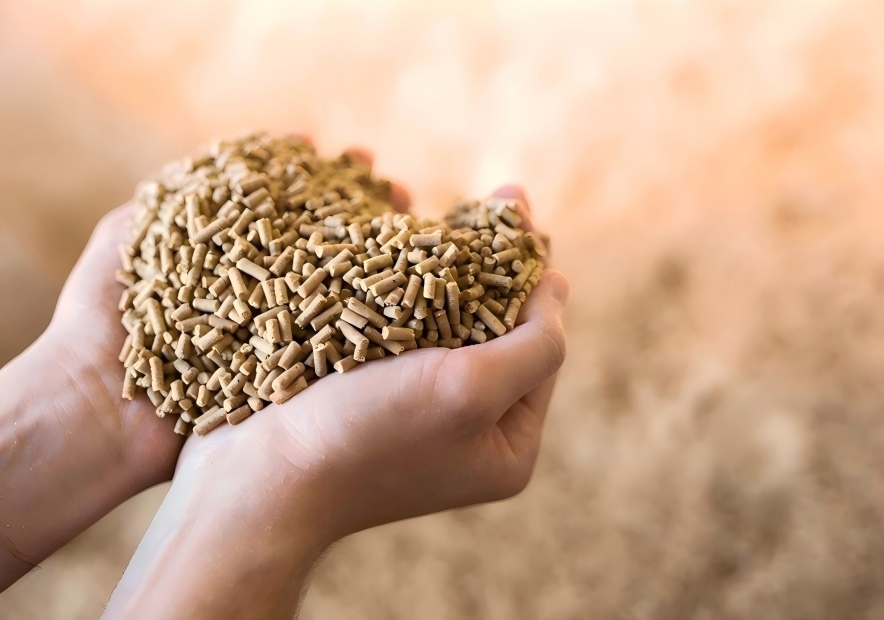
Modern pelletizing technology provides an efficient way to transform these materials into high-density biomass pellets. These pellets offer advantages in storage, transportation, and energy utilization, making them suitable for various industrial applications.
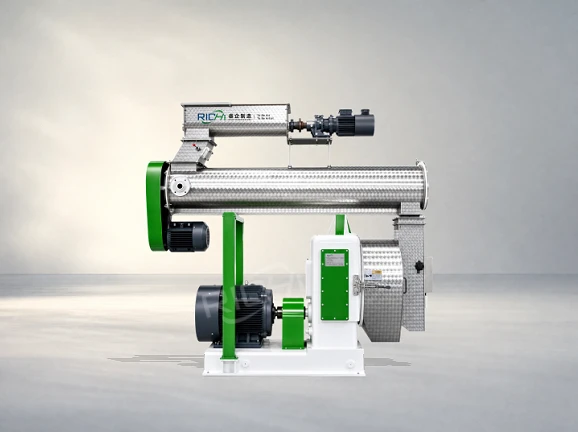
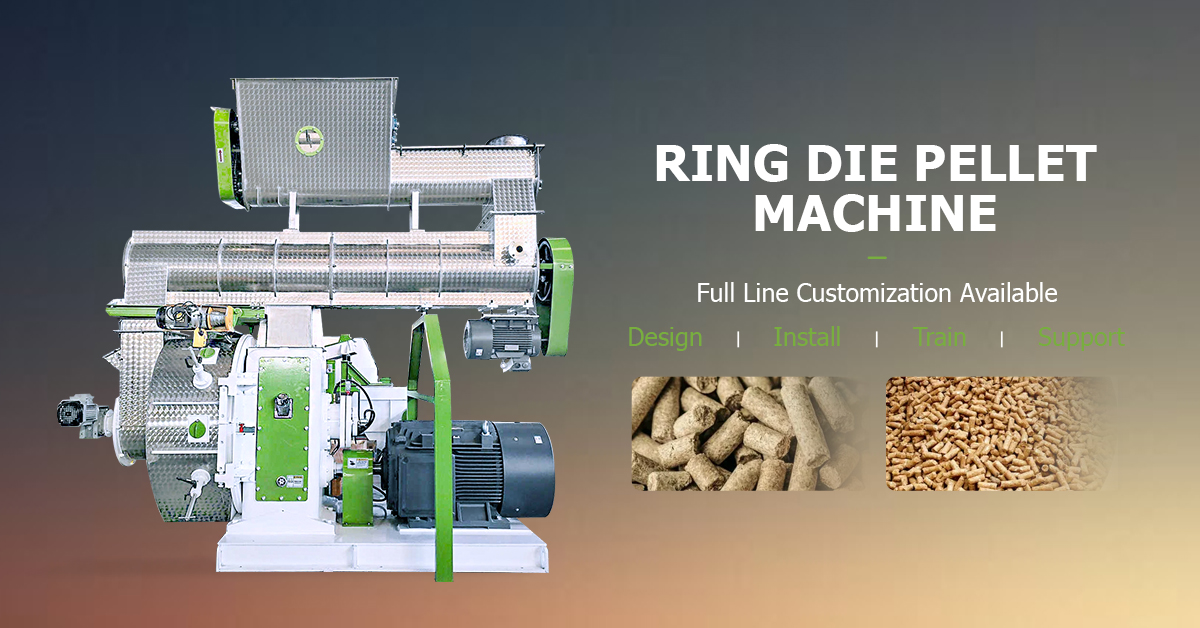
For regions with abundant rice production, the rice straw pellet machine has become an effective solution for converting agricultural waste into renewable fuel while creating additional economic value.
Agricultural Waste: From Disposal Problem to Business Opportunity
Every year, agricultural activities generate enormous amounts of crop residues. However, many areas still lack effective methods to utilize these resources.
Traditional disposal methods often create challenges:
- Open burning affects air quality.
- Farmers spend additional costs on waste handling.
- Valuable biomass resources are wasted.
- Environmental pressure increases.
The development of biomass pellet production provides a new approach. Instead of treating agricultural residues as waste, businesses can process them into products with commercial value.
Biomass pellets can be used in:
- Industrial heating systems
- Biomass boilers
- Power generation projects
- Animal bedding applications
- Renewable fuel markets
This creates a sustainable business model that combines agriculture, energy production, and environmental protection.
Why Pelletizing Is the Best Way to Improve Biomass Utilization
Raw agricultural residues have several limitations. Their low density and irregular structure make transportation and direct usage inefficient.
Pelletizing technology improves biomass performance in several ways.
Increasing Material Density
Loose straw occupies large storage areas. Compression technology reduces volume and increases transportation efficiency.
Improving Handling Performance
Uniform pellets are easier to:
- Store
- Package
- Transport
- Feed into combustion systems
Creating Standardized Products
Unlike loose biomass, pellets have more consistent size and quality, which improves their commercial value.
These advantages explain why more agricultural companies are considering pellet production as a profitable investment opportunity.
The Production Process Behind High-Quality Biomass Pellets
A complete biomass pellet production system involves several important stages.
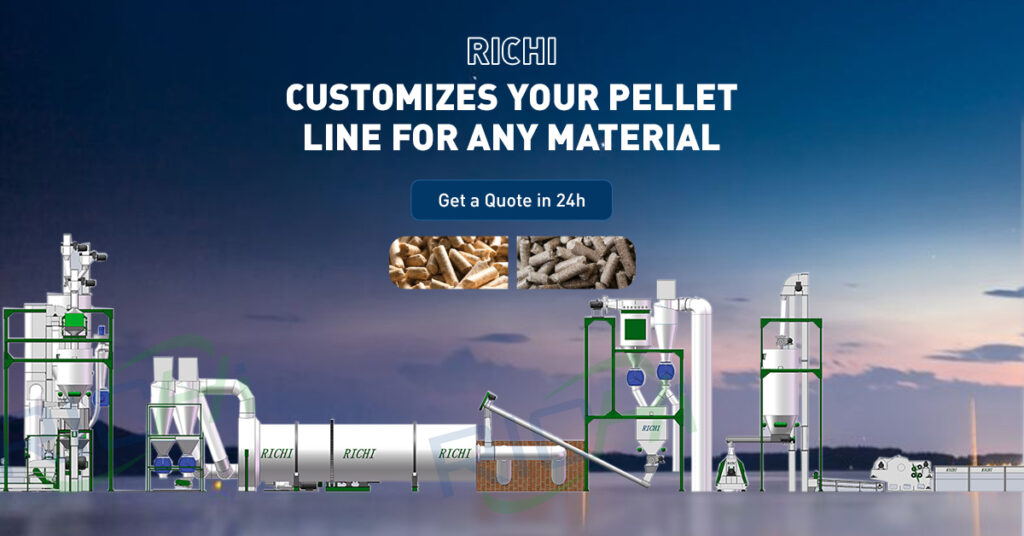
Raw Material Preparation
The first step is preparing agricultural residues for processing.
Materials may require:
- Cleaning
- Cutting
- Drying
- Moisture adjustment
Proper preparation improves the stability of the entire production process.
Crushing and Processing
Large biomass materials need to be reduced into smaller particles before pelletizing.
Uniform particle size helps improve:
- Compression efficiency
- Pellet strength
- Production consistency
Pellet Formation
During compression, biomass particles are pressed together under mechanical pressure.
Natural binders within plant materials help form strong pellets without requiring additional chemicals.
For different project scales, customers can choose equipment according to their production goals. For example, commercial agricultural processing projects may require solutions such as an industrial corn stalk pellet mking machine for sale to handle continuous large-scale production.
Factors That Influence Biomass Pellet Plant Success
Although biomass resources are widely available, successful pellet production requires careful planning.
Raw Material Availability
A stable supply of biomass materials is essential.
Before starting a project, investors should evaluate:
- Local agricultural output
- Seasonal availability
- Transportation distance
- Storage conditions
A reliable raw material supply helps maintain continuous operation.
Production Capacity Planning
Choosing the correct capacity is another important factor.
Oversized equipment may increase investment costs, while insufficient capacity may limit business growth.
Professional suppliers can recommend suitable solutions based on market requirements.
Product Application
Different pellet applications require different quality standards.
Fuel pellets, bedding pellets, and industrial materials may have different requirements regarding:
- Density
- Durability
- Moisture content
- Size
How Professional Manufacturers Support Biomass Projects
Building a biomass pellet plant requires technical experience beyond purchasing equipment.
Professional manufacturers can provide complete support, including:
- Production line planning
- Equipment configuration
- Installation services
- Technical training
- After-sales support
A reliable supplier helps customers avoid common problems such as incorrect equipment selection or inefficient production processes.
Companies such as Richi Pellet Machine provide customized solutions for biomass processing projects and help customers select suitable equipment according to their raw materials and production targets.
For businesses looking for additional technical information and project references, they can check my source to explore more details about biomass pellet technologies.
Economic and Environmental Benefits of Biomass Pellet Production
Biomass pellet projects provide value from both business and sustainability perspectives.
Economic Benefits
Businesses can benefit through:
- New product development
- Additional revenue channels
- Lower waste management costs
- Growing renewable energy markets
Environmental Benefits
Biomass pellet production contributes to:
- Reduced agricultural waste burning
- Better resource utilization
- Lower dependence on fossil fuels
- Support for circular economy development
This combination of economic and environmental advantages makes biomass pellet production increasingly attractive.
(Related Post: https://biomasspelletizer.com/straw-pellet-production-line/)
Future Outlook of Biomass Pellet Industry
The biomass pellet industry is expected to continue growing as renewable energy demand increases.
Future development will likely focus on:
Advanced Processing Technology
Improved equipment efficiency will help reduce production costs and increase output.
Wider Raw Material Applications
More agricultural and forestry residues will be explored for pellet production.
Customized Biomass Solutions
Different regions will require different production systems based on available resources.
As technology advances, biomass pellets will continue becoming an important renewable energy option worldwide.
Conclusion: Investing in Biomass Creates Long-Term Value
Agricultural residues represent an enormous untapped resource. With modern pelletizing technology, materials such as rice straw can be transformed into valuable products that support both business development and environmental goals.
The adoption of the rice straw pellet machine shows how agricultural waste can become part of the renewable energy economy.
For investors and agricultural businesses, selecting suitable equipment, planning production capacity carefully, and working with experienced suppliers are key steps toward building a successful biomass pellet project.
As global energy systems continue shifting toward sustainability, biomass pellet production will provide new opportunities for industries seeking cleaner and more efficient solutions.