

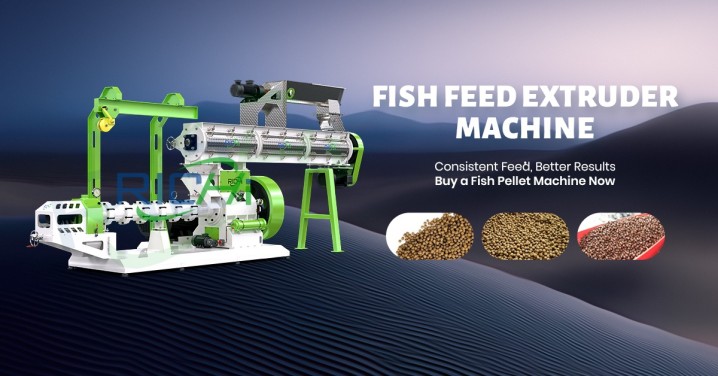
Floating Fish Feed Extruder Machine: Defining Floating Product Requirements Before Comparing Extruders
Select a floating fish feed extruder machine by defining the defined floating-feed behavior and finished-pellet…
Select a floating fish feed extruder machine by defining the defined floating-feed behavior and finished-pellet…
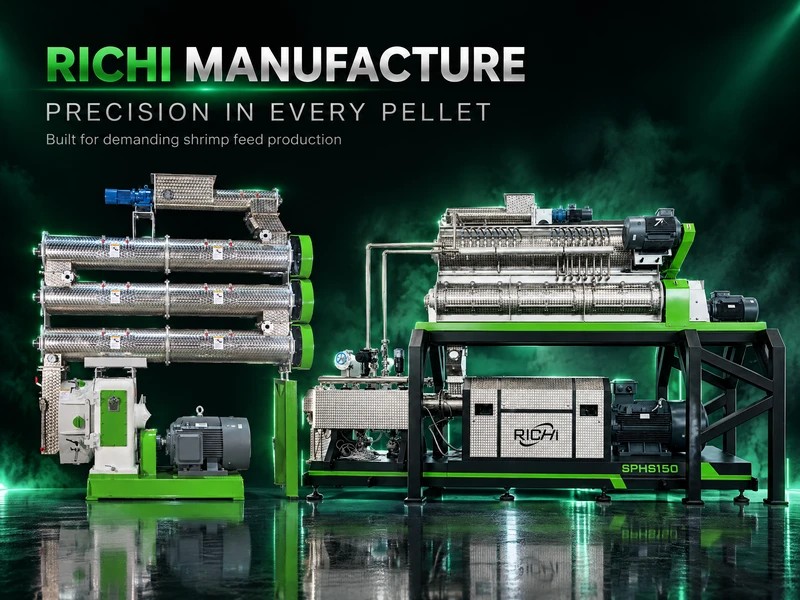
Aquaculture markets are rarely static. Feed manufacturers may begin by serving one shrimp species and…
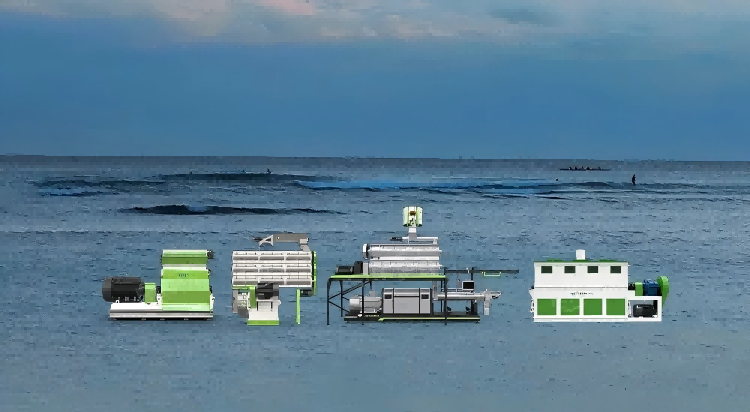
Sinking fish feed is an important type of aquaculture feed designed for fish that feed…
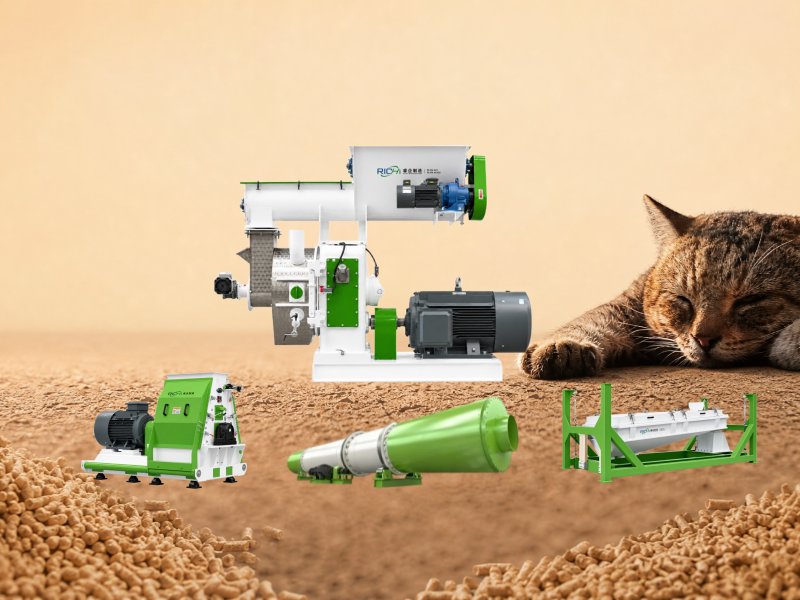
The idea of turning sawdust into cat litter may sound simple: take a wood-processing by-product,…
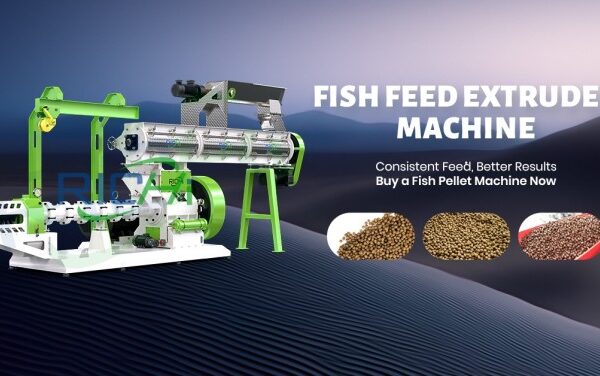
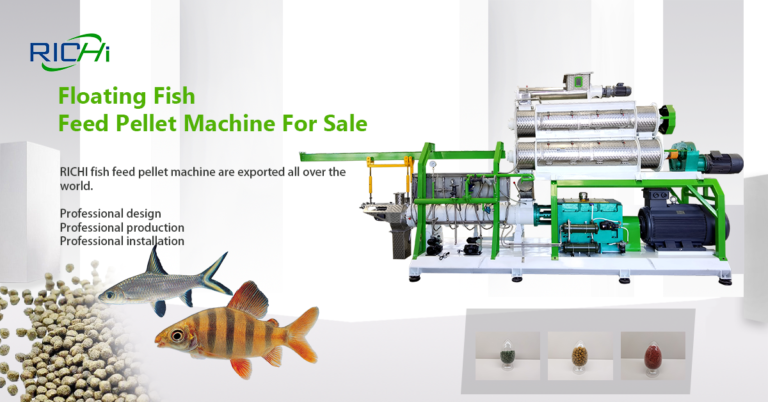
Select a floating fish feed extruder machine by defining the defined floating-feed behavior and finished-pellet integrity and the actual condition of the buyer’s floating aquatic-feed formulation and prepared meal before comparing equipment offers. The decision should connect raw material, throughput, utilities and operating conditions to measurable acceptance criteria. This guide explains the technical questions a…
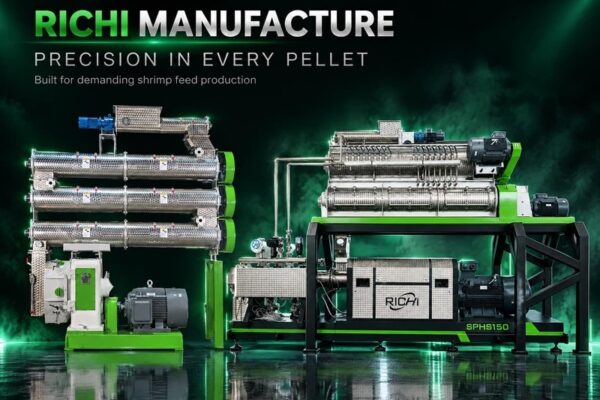
Aquaculture markets are rarely static. Feed manufacturers may begin by serving one shrimp species and later expand into fish or other aquatic products. This makes flexibility an important consideration when selecting a shrimp feed pellet machine and planning the surrounding production equipment. Why Flexibility Matters A factory designed around only one product can become difficult to…
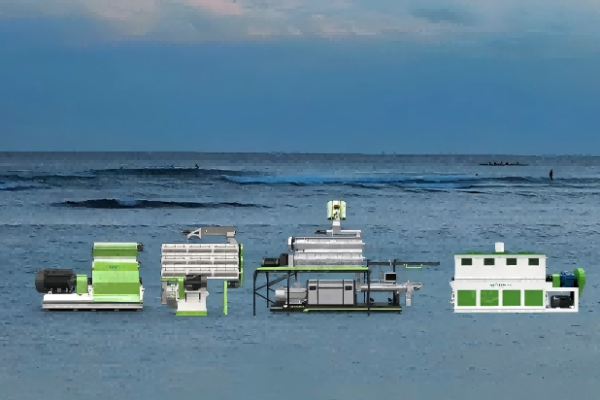
Sinking fish feed is an important type of aquaculture feed designed for fish that feed below the water surface. Unlike floating fish feed, which remains on the water surface for a certain period, sinking fish feed is formulated and processed to achieve a suitable density so that the pellets gradually sink in water. Producing high-quality…
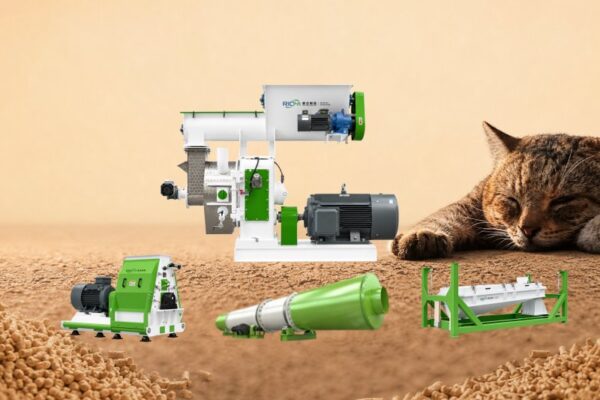
The idea of turning sawdust into cat litter may sound simple: take a wood-processing by-product, compress it into pellets, and package the result. In practice, however, commercial production involves a series of decisions that determine whether the final product is merely a pellet or a genuinely marketable cat litter. Wood species, particle size, moisture, additives,…
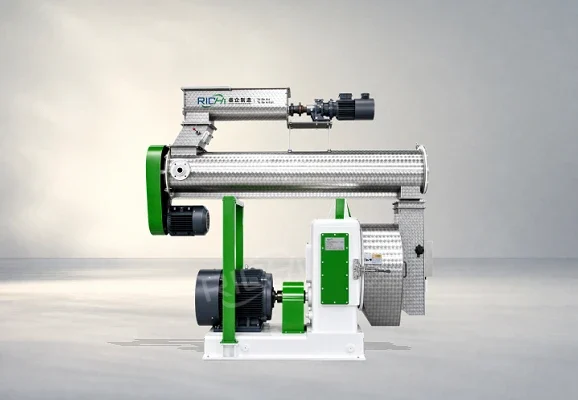
Goats are often described as low-maintenance animals, and compared to cattle or pigs, that reputation has some truth to it. They browse widely, tolerate harsh conditions, and convert fibrous plants into meat and milk. But low-maintenance does not mean low-input. Anyone who has kept goats through a dry season or raised kids to market weight…
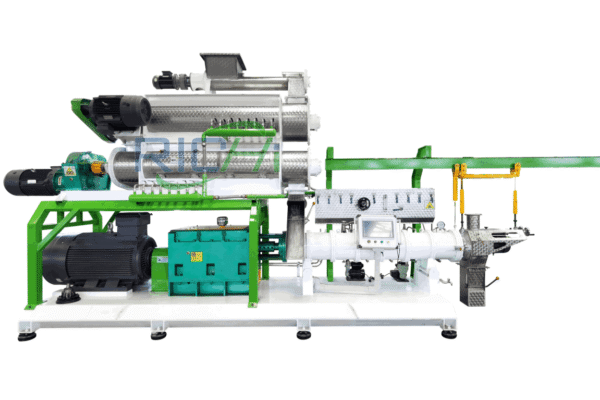
A production capacity of 1–2 tons per hour can be suitable for commercial aquaculture feed production and medium-sized feed businesses. At this scale, the production system needs to maintain a stable flow of ingredients through grinding, mixing, extrusion, drying, cooling, and packaging. The main equipment is important, but the performance of the complete system depends…
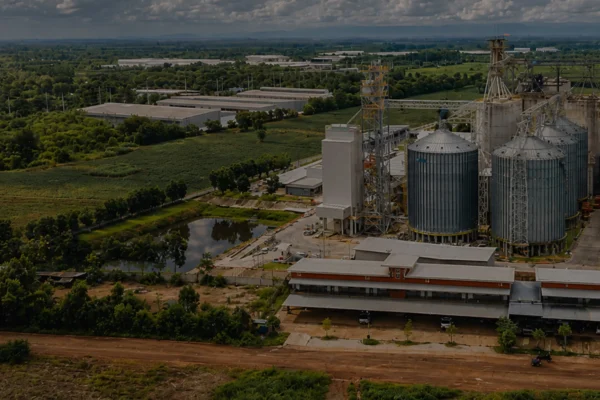
What Is a Livestock Feed Production Line? A modern feed mill is more than a group of machines connected by conveyors. It is an integrated process designed to turn different agricultural ingredients into consistent, nutritionally balanced feed products. Depending on the type of animals being fed, a plant may produce poultry feed, pig feed, cattle…
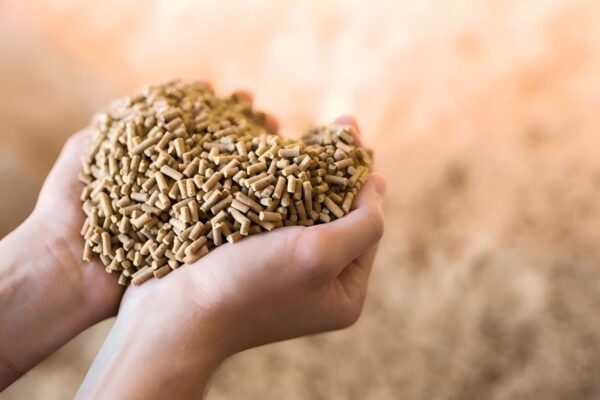
Cattle feed production efficiency has a direct impact on the operating cost, output, product consistency, and profitability of a feed manufacturing business. As cattle farming becomes increasingly commercialized, feed producers need to process larger quantities of raw materials while maintaining stable nutritional and physical quality. Simply increasing the speed of individual machines is not enough….

Increasing feed production capacity is not simply a matter of installing a larger motor. High-output pelletizing requires coordinated equipment, stable raw material preparation, reliable feeding, effective conditioning, and sufficient downstream processing capacity. An animal feed pellet mill machine is the central equipment in the pelleting section, but its performance depends on the conditions created by…

The final use of pellets should be defined before a production line is finalized because end use determines what customers expect from the product. Pellet diameter, durability, moisture, density, formulation, hygiene, ash, fines, packaging, and traceability can all change according to whether pellets are used as animal feed, industrial fuel, residential heating fuel, fertilizer, bedding,…