



Poultry farming has become one of the most essential components of modern agriculture, supplying a large share of the world’s animal protein through chicken meat and eggs. As global demand for affordable protein continues to rise, farmers are under increasing pressure to improve productivity, reduce costs, and maintain consistent production quality. In this context, poultry feed production plays a central role in determining the success and efficiency of poultry farming operations.
Feed is the foundation of poultry production. It directly influences growth rate, egg production, feed conversion efficiency, bird health, and overall farm profitability. In most commercial poultry farms, feed costs account for more than half of total production expenses, making feed management one of the most important areas of focus. Because of this, many farmers are now shifting toward on-farm or integrated feed production systems instead of relying entirely on commercial feed suppliers.
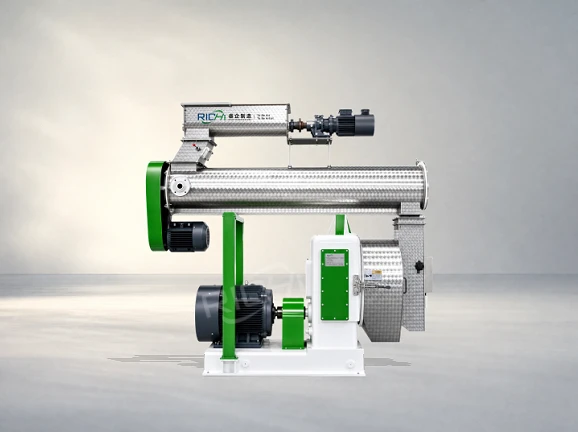
Modern feed production systems allow farmers to control feed quality, reduce dependency on external markets, and improve long-term profitability. One of the most important technologies supporting this transformation is the poultry feed pellet mill for sale, which enables farms and feed businesses to produce high-quality pellet feed efficiently and consistently. Pellet feed improves nutrient absorption, reduces waste, and enhances overall poultry performance, making it a key factor in modern farming efficiency.
Poultry feed production is important for farming for several reasons, including cost control, feed quality consistency, improved animal nutrition, better disease control, efficient resource utilization, and enhanced farm sustainability. Together, these advantages make feed production a strategic necessity rather than an optional investment for modern poultry operations.
One of the most important reasons poultry feed production is essential for farming is cost reduction and financial control. Feed is the largest recurring expense in poultry farming, and its price is often influenced by market fluctuations in raw materials such as corn, soybean meal, and wheat. When farmers depend entirely on external feed suppliers, they are exposed to price volatility and supply chain disruptions.
By producing feed on-site or through integrated systems, farmers gain greater control over production costs. They can purchase raw materials in bulk when prices are low and store them for later use, reducing overall feed expenses. The use of equipment such as the poultry feed pellet mill for sale allows farmers to process raw ingredients into finished feed efficiently, eliminating the added costs of commercial processing and transportation.
Another key benefit of poultry feed production is improved feed quality control. Commercial feed products may vary in nutrient composition, freshness, and ingredient quality depending on supplier practices and market conditions. In contrast, on-farm feed production allows farmers to carefully select raw materials and control every stage of the manufacturing process.
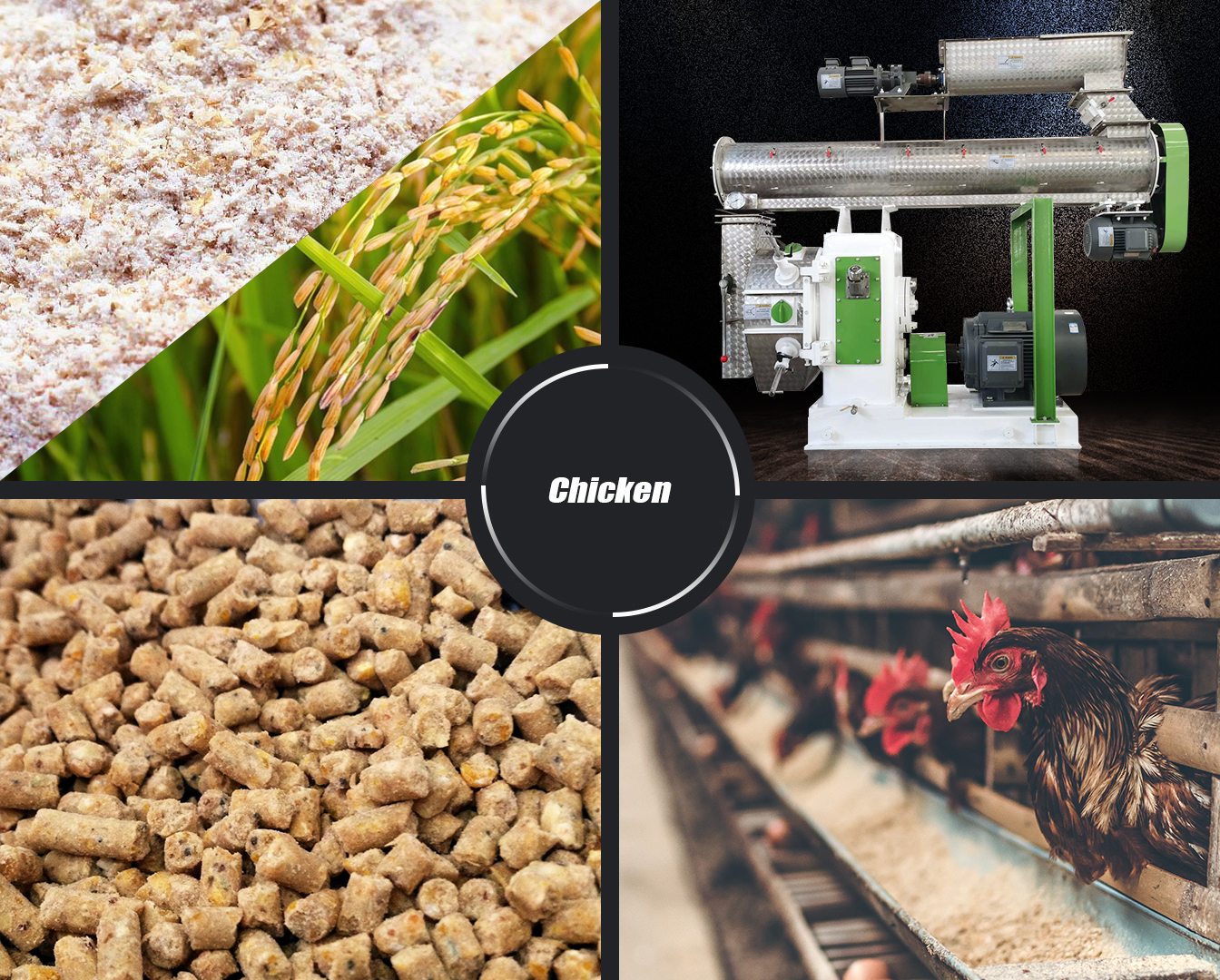
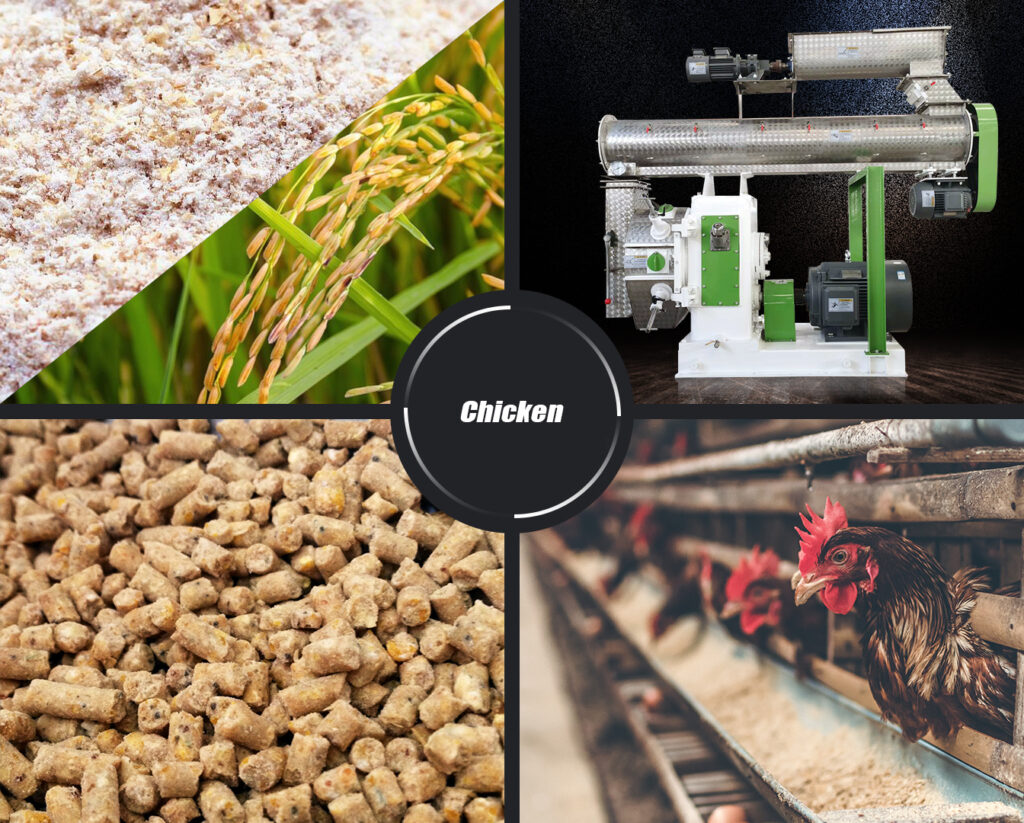
High-quality poultry feed requires a balanced combination of energy, protein, vitamins, minerals, and amino acids. Common feed ingredients include corn, soybean meal, fish meal, rice bran, wheat bran, limestone, salt, and vitamin premixes. By controlling feed formulation, farmers can ensure that birds receive precise nutrition tailored to their growth stage and production purpose.
Feed consistency is extremely important in poultry farming because even small variations in nutrient levels can affect bird performance. Inconsistent feed quality can lead to uneven growth, reduced egg production, poor feed conversion ratios, and health issues within the flock. On-site feed production helps eliminate these inconsistencies and ensures stable, predictable results.
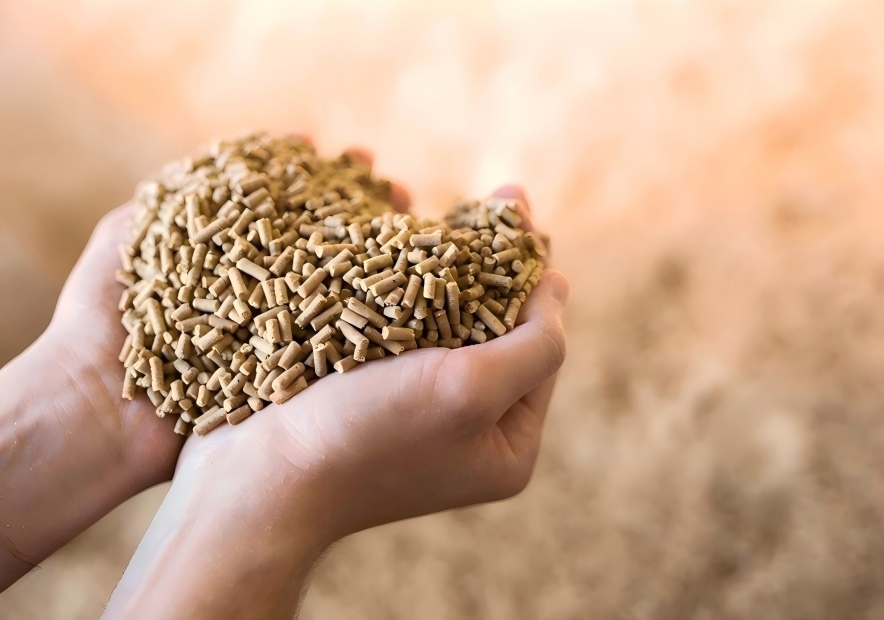
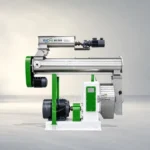
The poultry feed pellet mill for sale plays a crucial role in improving feed consistency and quality. This machine compresses powdered feed ingredients into uniform pellets using mechanical pressure and heat. Pelletization improves feed structure, making it easier for poultry to consume and digest.
https://richipelletizer.com/poultry-feed-pellet-machine-price
Pellet feed offers several advantages compared to mash feed. It reduces selective feeding behavior, where birds pick and choose certain ingredients while ignoring others. This ensures balanced nutrient intake across the entire flock. Pellet feed also reduces feed wastage because it is less likely to scatter during feeding, especially in large-scale poultry houses.
Improved feed conversion efficiency is another major benefit of pellet feed production. Feed conversion ratio measures how effectively birds convert feed into meat or eggs. Lower feed conversion ratios indicate higher efficiency and better farm performance. Pellet feed enhances digestibility because the heat and pressure during processing partially break down starches and proteins, making nutrients easier to absorb.
As a result, birds grow faster, produce more eggs, and require less feed overall, significantly improving farm profitability. Even small improvements in feed conversion efficiency can lead to substantial financial gains in large poultry operations.
Poultry feed production also improves farm biosecurity and animal health. Raw feed ingredients can contain harmful microorganisms, bacteria, and parasites that pose risks to poultry health. During the pelletizing process in equipment such as the poultry feed pellet mill for sale, heat treatment helps reduce microbial contamination and improve feed safety.
Healthier feed leads to healthier birds. Strong immune systems reduce the need for antibiotics and veterinary treatments, lowering production costs and improving food safety. Reduced disease incidence also leads to lower mortality rates and more stable flock performance.
Another important benefit of poultry feed production is flexibility in raw material usage. Farmers can use locally available agricultural products and by-products to formulate feed, reducing dependence on imported or expensive ingredients. Materials such as corn, cassava, rice bran, sunflower meal, and wheat by-products can be incorporated into feed formulations depending on regional availability.
This flexibility not only reduces feed costs but also supports local agricultural economies and promotes sustainable resource utilization. It allows farmers to adapt quickly to market changes and raw material availability without compromising feed quality.
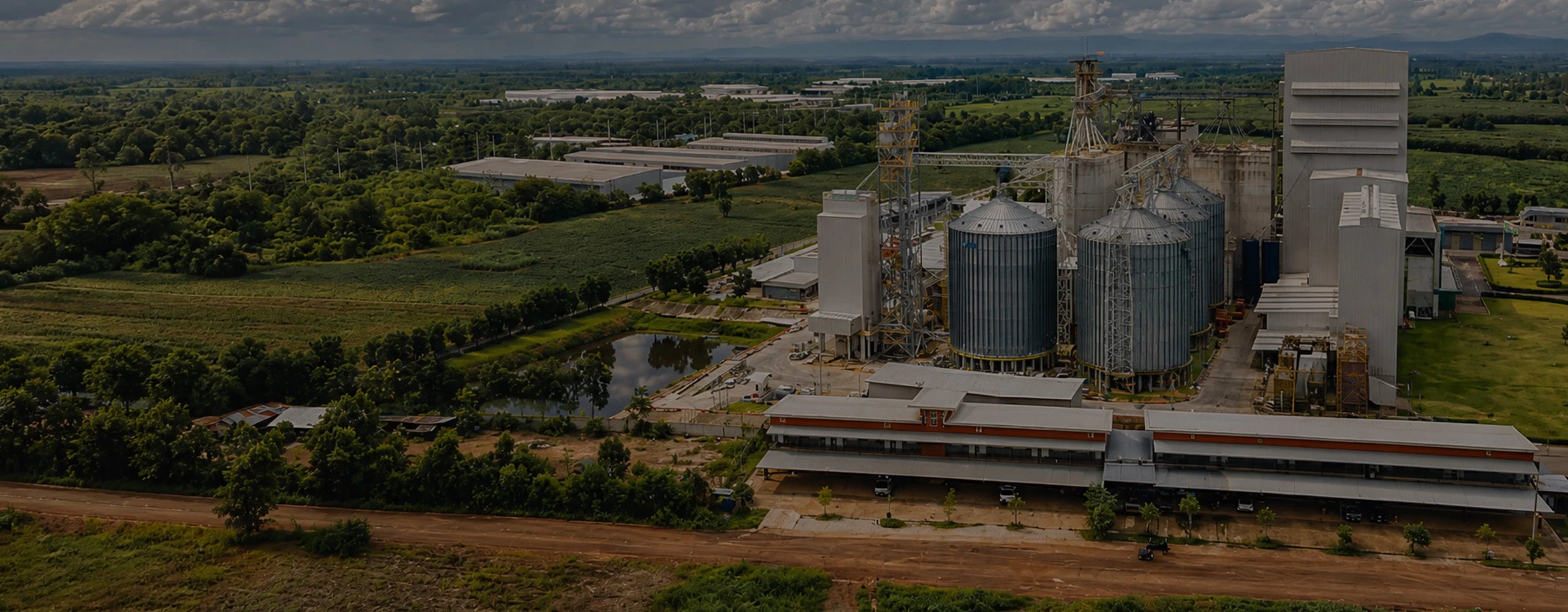
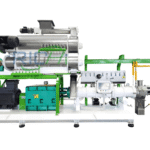
Modern poultry feed production systems also contribute to improved operational efficiency through automation and technology integration. Many feed production setups now combine grinding, mixing, pelletizing, cooling, screening, and packaging into a continuous production line. Automated systems reduce labor requirements, minimize human error, and improve production consistency.
The poultry feed pellet mill for sale is often integrated into these systems as the core processing unit. Advanced models are equipped with automatic control systems, durable components, and energy-efficient motors that allow continuous and stable operation. This makes large-scale feed production more practical and cost-effective for commercial farms. (Related machine: efficient chicken feed pellet machine for sale)
Energy efficiency is another important factor in poultry feed production. Feed manufacturing requires electricity for grinding, mixing, and pelletizing processes. Modern equipment is designed to minimize energy consumption while maintaining high output capacity. Efficient energy use reduces operational costs and improves the overall sustainability of poultry farming.
Feed storage and logistics are also improved through pellet production. Pellet feed is more compact and dense than mash feed, allowing more feed to be stored in less space. This reduces storage costs and improves inventory management. Pellets are also easier to transport and handle, reducing labor requirements and minimizing spoilage during storage.
Environmental sustainability is becoming increasingly important in modern agriculture, and poultry feed production contributes positively in this area. Efficient feed utilization reduces the amount of raw material needed for poultry production, decreasing pressure on land and natural resources. Improved feed conversion efficiency also reduces waste output from poultry farms.
Additionally, on-farm feed production helps reduce the environmental impact associated with transportation and industrial feed processing. By producing feed locally using available raw materials, farmers can lower carbon emissions and support more sustainable agricultural systems.
Another important aspect of poultry feed production is production stability. Dependence on commercial feed suppliers can expose farms to supply disruptions, delays, and price instability. On-site feed production ensures a consistent and reliable feed supply, allowing farmers to maintain stable production cycles without interruptions.
Stable feed supply is especially important in large-scale poultry operations where even short delays in feeding can affect bird health and productivity. By using systems that include the poultry feed pellet mill for sale, farmers can ensure continuous production and avoid dependency risks.
As poultry farming continues to grow globally, the importance of feed production will only increase. Rising demand for chicken meat and eggs requires more efficient production systems that can deliver high output at lower costs. Farmers who invest in feed production systems gain a competitive advantage in terms of productivity, cost control, and long-term sustainability.
Future developments in poultry feed production are expected to include greater automation, artificial intelligence, and precision nutrition technologies. Smart systems may be able to adjust feed formulations automatically based on real-time data, improving efficiency even further. Advanced pellet mill technologies will also continue to improve energy efficiency, durability, and production capacity.
The poultry feed pellet mill for sale will remain a key piece of equipment in this evolving industry because pellet feed continues to offer clear advantages in nutrition delivery, feed efficiency, and farm management. As technology advances, these machines will become even more accessible, efficient, and essential for modern poultry farming operations.
In conclusion, poultry feed production is a fundamental component of successful farming because it directly affects cost control, feed quality, animal health, productivity, and sustainability. It enables farmers to manage nutrition more precisely, reduce waste, and improve overall efficiency.
By investing in modern feed production systems and equipment such as the poultry feed pellet mill for sale, farmers can achieve greater independence, higher productivity, and improved profitability. As the poultry industry continues to expand and evolve, efficient feed production will remain one of the most important foundations of sustainable and successful farming worldwide.