




Agricultural residue has traditionally been treated as a disposal problem. Farmers in many regions burn crop waste after harvest because transporting and storing straw can be difficult and expensive.
Today, however, renewable energy markets are changing how industries view agricultural biomass.
Crop residue is now considered a valuable raw material capable of supporting clean energy systems, industrial heating applications, and sustainable manufacturing.
At the center of this transformation is the modern straw pellet press.
Why Straw Pellets Are Becoming More Popular
Several global trends are increasing demand for biomass fuel.
Renewable Energy Policies
Governments continue promoting cleaner energy alternatives.
Industrial Decarbonization
Factories are reducing coal dependence.
Agricultural Waste Management
Farmers seek profitable solutions for crop residue.
Rising Fossil Fuel Costs
Biomass offers long-term energy stability.
Common Raw Materials Used in Biomass Pellet Production
- Wheat straw
- Rice straw
- Corn stalks
- Cotton stalks
- Soybean residue
- Rapeseed straw
Each material requires proper preparation and processing technology.
Why Large-Scale Production Systems Matter
Industrial biomass manufacturing requires more than simple machinery.
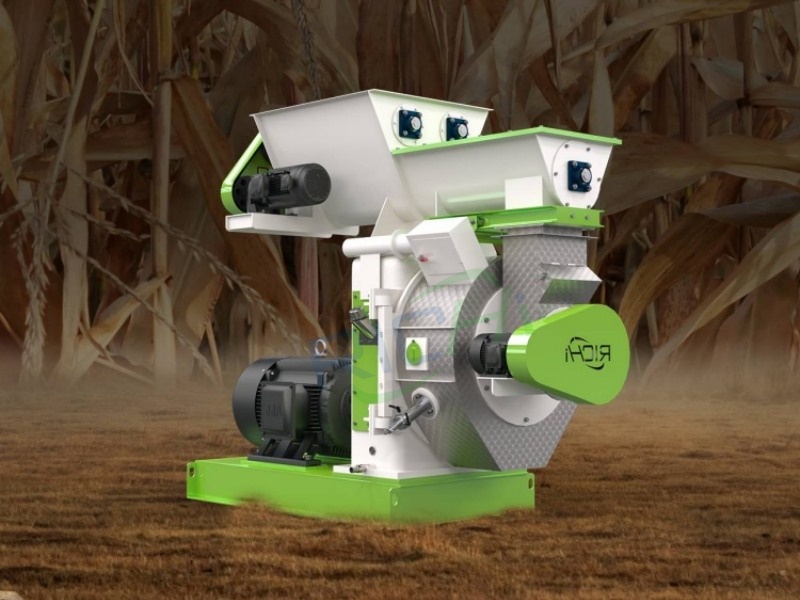
Modern plants often include:
- Bale breakers
- Fiber crushers
- Rotary dryers
- Pelletizing equipment
- Cooling systems
- Packaging lines
- Dust collection equipment
For commercial production, many investors choose a commercial straw pellet plant for sale to improve automation, scalability, and fuel quality consistency.
How Pellet Compression Technology Works
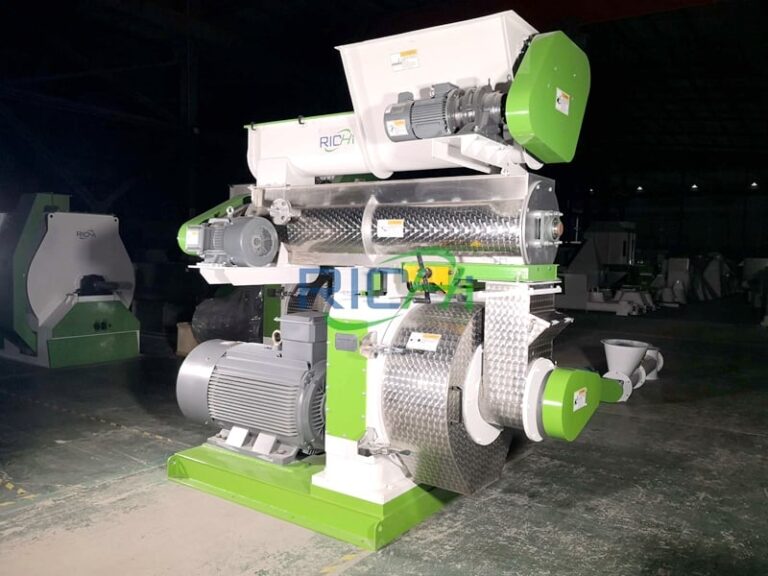
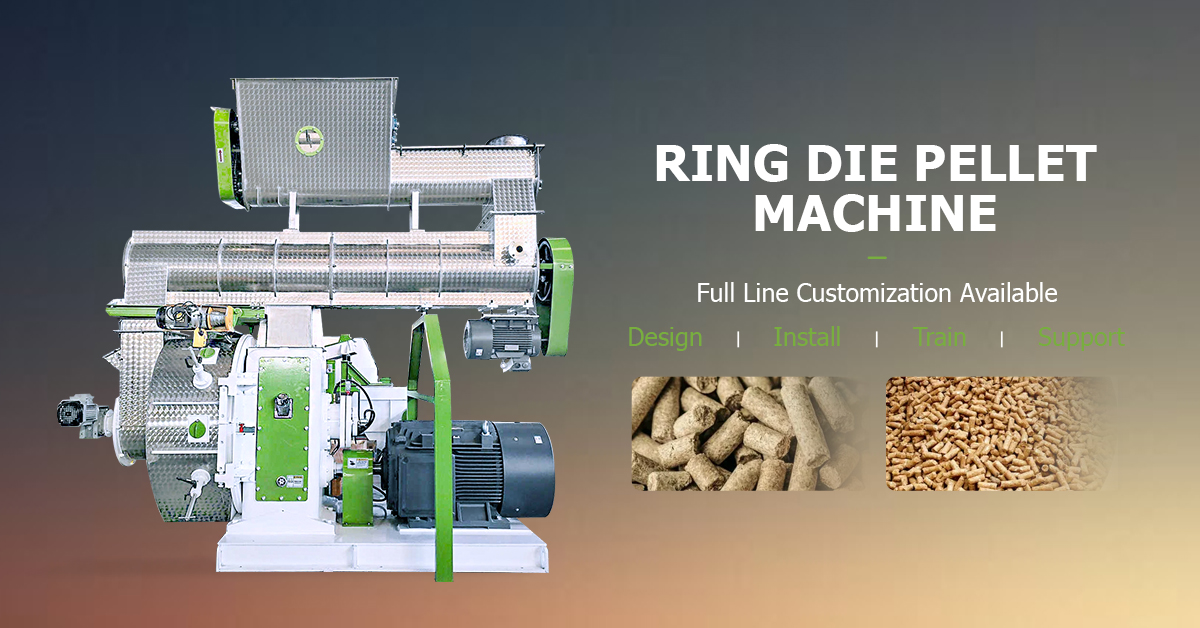

Industrial biomass systems use pressure and friction heat to compress straw fibers into dense pellets.
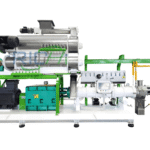
Advanced Richi manufacture equipment is often designed with:
- Wear-resistant dies
- Intelligent feeding systems
- Energy-efficient motors
- Automatic lubrication systems
- High-pressure compression chambers
These technologies improve productivity while lowering maintenance requirements.
Major Benefits of Straw Pellet Manufacturing
Additional Revenue Streams
Farmers can monetize agricultural residue.
Reduced Environmental Pollution
Pellet production lowers open burning emissions.
Renewable Energy Expansion
Biomass supports cleaner industrial heating systems.
Job Creation
Biomass projects support rural economic growth.
The Role of Automation in Modern Pellet Factories
Automation helps operators monitor:
- Moisture content
- Equipment performance
- Pellet density
- Energy consumption
- Feeding stability
- Production efficiency
Advanced systems improve operational reliability and reduce labor dependency.
Industrial Applications for Straw Pellets
Biomass Boilers
Industrial facilities use pellets as renewable fuel.
Power Generation
Biomass plants generate electricity and steam.
Animal Bedding
Compressed pellets absorb moisture effectively.
Eco-Friendly Materials
Biomass fibers support sustainable product manufacturing.
Key Considerations Before Investing
Potential investors should evaluate:
- Raw material availability
- Transportation infrastructure
- Electricity costs
- Local fuel demand
- Environmental regulations
- Factory automation needs
Careful project planning is essential for long-term profitability.
Many buyers study customer case studies and engineering references before making final decisions. For more technical insights into biomass fuel systems, visit the latest industry blog here resources focused on renewable manufacturing technologies.
Future Development Trends
Several innovations are shaping the future of biomass processing:
- Smart monitoring systems
- AI-based predictive maintenance
- Energy recovery technologies
- Multi-feedstock pellet plants
- Export-oriented fuel production
These developments continue improving production efficiency and sustainability.
Conclusion
Straw biomass processing is creating new economic opportunities across agricultural regions worldwide.
Instead of treating crop residue as waste, modern industries are transforming it into valuable renewable energy products that support cleaner manufacturing and sustainable industrial development.
As global energy markets continue evolving, biomass pellet production is expected to become an increasingly important part of future energy infrastructure.
(Related Post: https://www.richipelletmill.com/straw-pellet-mill/)