

Aquaculture has become one of the fastest-growing food production industries in the world. As the demand for aquatic products continues to increase, fish farmers are looking for more efficient, sustainable, and cost-effective ways to improve production performance. Among all factors affecting aquaculture success, feed quality plays a critical role because feed accounts for a significant proportion of farming costs and directly influences fish growth, health, water quality, and profitability.
Traditional fish feed processing methods often face limitations in producing feed with excellent digestibility, water stability, and nutritional availability. To overcome these challenges, fish feed extrusion technology has become an essential part of modern aquafeed manufacturing. By applying controlled heat, moisture, pressure, and mechanical shear, extrusion can transform various raw materials into high-quality aquatic feed pellets with improved physical and nutritional characteristics.
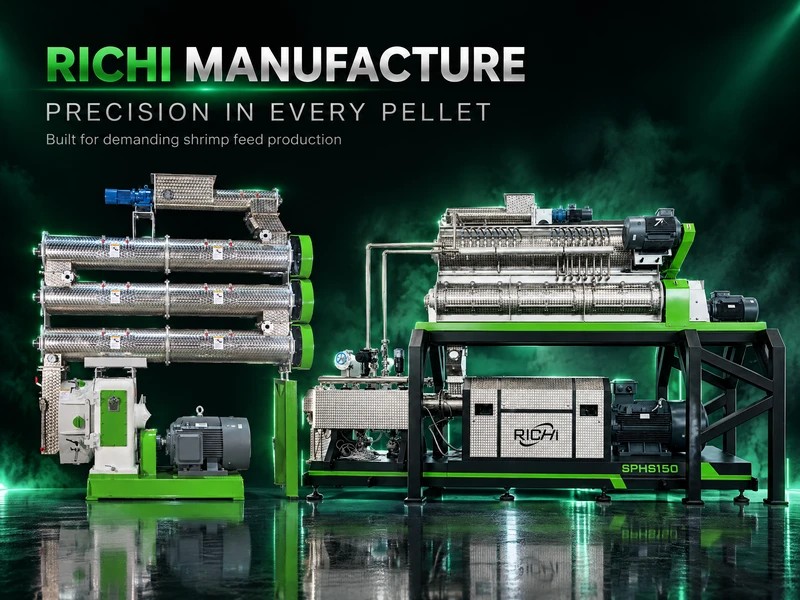
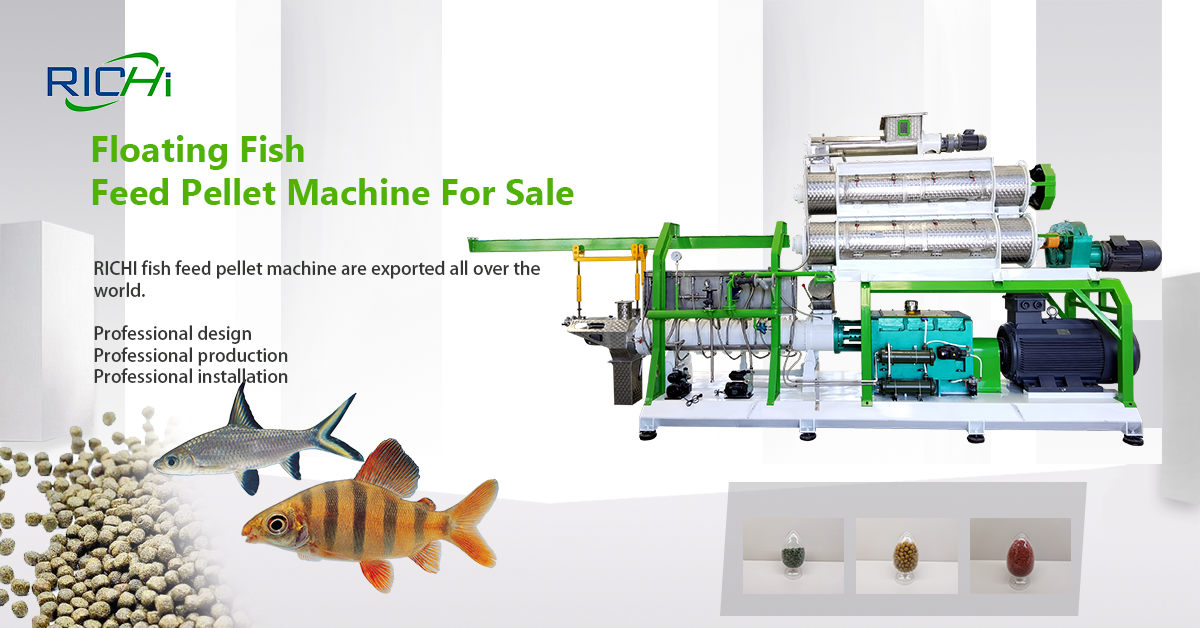
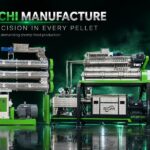
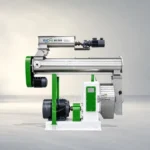
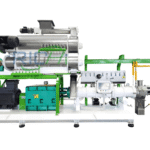
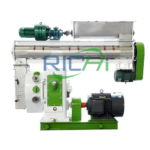
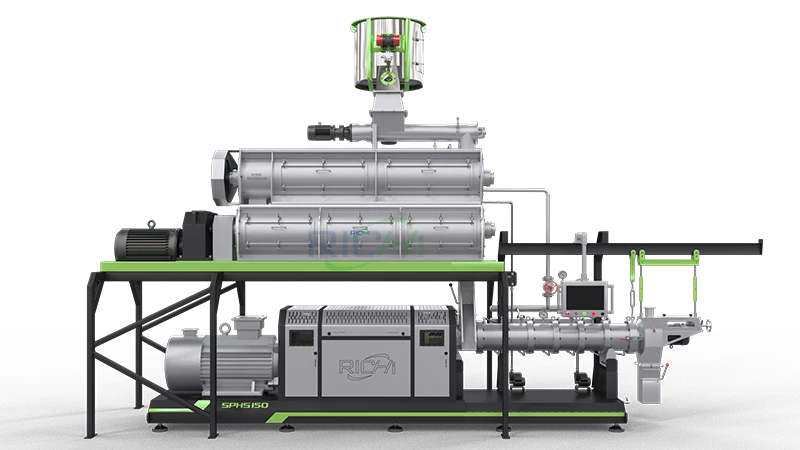
A complete wet type fish feed extrusion machine equipped with advanced extrusion technology can produce premium floating, slow-sinking, and sinking feed for different aquatic species. Through precise processing control, it helps feed manufacturers achieve better feed conversion efficiency, reduce nutrient waste, and meet the increasingly strict requirements of modern aquaculture.
The Growing Importance of High-Quality Fish Feed in Aquaculture
Feed is the foundation of successful aquaculture production. Unlike natural aquatic ecosystems where fish obtain nutrients from various sources, farmed fish depend almost entirely on artificial feed. Therefore, the nutritional value and physical quality of manufactured feed directly affect farming results.
High-quality fish feed should have several important characteristics:
- Balanced nutritional composition
- High digestibility
- Good palatability
- Strong water stability
- Appropriate pellet size and density
- Low nutrient loss
If feed quality is poor, several problems may occur. Fish may experience slow growth, poor feed utilization, and increased disease risks. Additionally, uneaten feed particles can accumulate in ponds or tanks, causing water pollution and increasing management costs.
Fish feed extrusion technology provides an effective solution by improving feed structure and nutrient availability. It allows manufacturers to produce feed products that better match the biological needs of different aquatic species.
What Is Fish Feed Extrusion Technology?
Fish feed extrusion is a processing technology that uses mechanical energy and thermal energy to convert a mixture of raw ingredients into stable feed pellets. During extrusion, the prepared feed mixture enters the extrusion chamber, where it is compressed, heated, and pushed forward by rotating screws.
The extrusion process involves several key factors:
Heat
High temperatures help modify raw materials, improve digestibility, and reduce harmful microorganisms.
Moisture
Water and steam improve material processing characteristics and support starch gelatinization.
Pressure
Pressure inside the extrusion chamber helps form dense and stable pellets.
Mechanical Shear
Mechanical force changes the structure of ingredients and improves binding performance.
When the processed material exits through the die holes, pressure is suddenly released, causing expansion. This creates the porous structure that determines pellet density, floating ability, and feeding performance.
How Fish Feed Extrusion Improves Feed Quality
The primary reason extrusion technology is widely used in aquaculture is its ability to significantly improve feed quality.
Enhancing Nutrient Digestibility
Fish require easily digestible nutrients to support growth and maintain health. However, many commonly used feed ingredients contain complex structures that limit nutrient absorption.
Extrusion improves digestibility by modifying the physical and chemical properties of raw materials. For example, starch-rich ingredients such as corn and wheat can be gelatinized during extrusion. Gelatinized starch is easier for fish to digest and also improves pellet binding.
At the same time, extrusion reduces certain anti-nutritional factors found in plant-based ingredients. This allows fish to better utilize proteins, carbohydrates, and other nutrients.
As a result, extruded feed can improve feed conversion ratios and reduce the amount of feed required to achieve the same growth performance.
Improving Water Stability
Water stability is one of the most important characteristics of aquatic feed. Fish feed must maintain its shape after entering water so that fish have enough time to consume it.
Poor water stability causes:
- Nutrient leakage
- Feed waste
- Poor water quality
- Higher farming costs
Extrusion creates a strong internal structure within feed pellets. The gelatinized starch works as a natural binder, improving pellet hardness and reducing nutrient loss.
For intensive aquaculture systems, better water stability means more efficient feeding and easier water management.
Producing Floating and Sinking Feed
Different aquatic species have different feeding behaviors. Some fish feed mainly on the water surface, while others prefer middle or bottom water layers.
Extrusion technology allows manufacturers to control pellet density and produce different feed types, including:
- Floating fish feed
- Slow-sinking fish feed
- Sinking fish feed
By adjusting processing parameters such as moisture content, temperature, pressure, and die design, feed producers can customize products according to species requirements.
This flexibility makes extrusion suitable for a wide range of aquaculture applications.
The Role of Wet Type Fish Feed Mill in Aquafeed Production
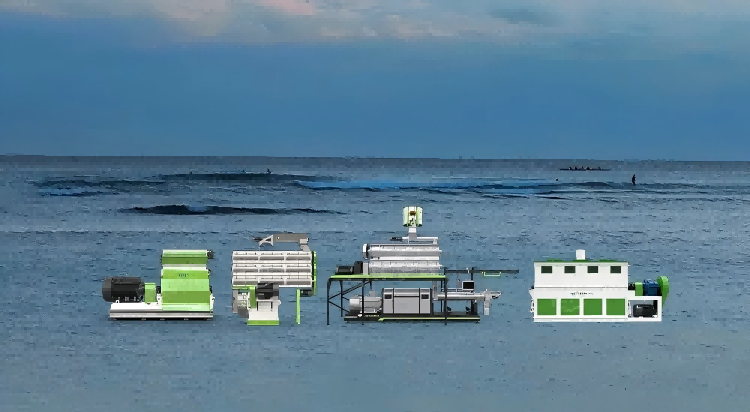
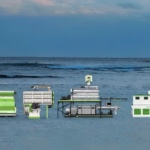
A wet type fish feed mill is a complete production facility designed to manufacture high-quality aquatic feed using wet extrusion technology. Compared with simple feed processing systems, it integrates multiple processes to ensure stable production and consistent product quality.
A typical wet type fish feed mill includes:
- Raw material cleaning system
- Grinding equipment
- Batching system
- Mixing equipment
- Conditioning system
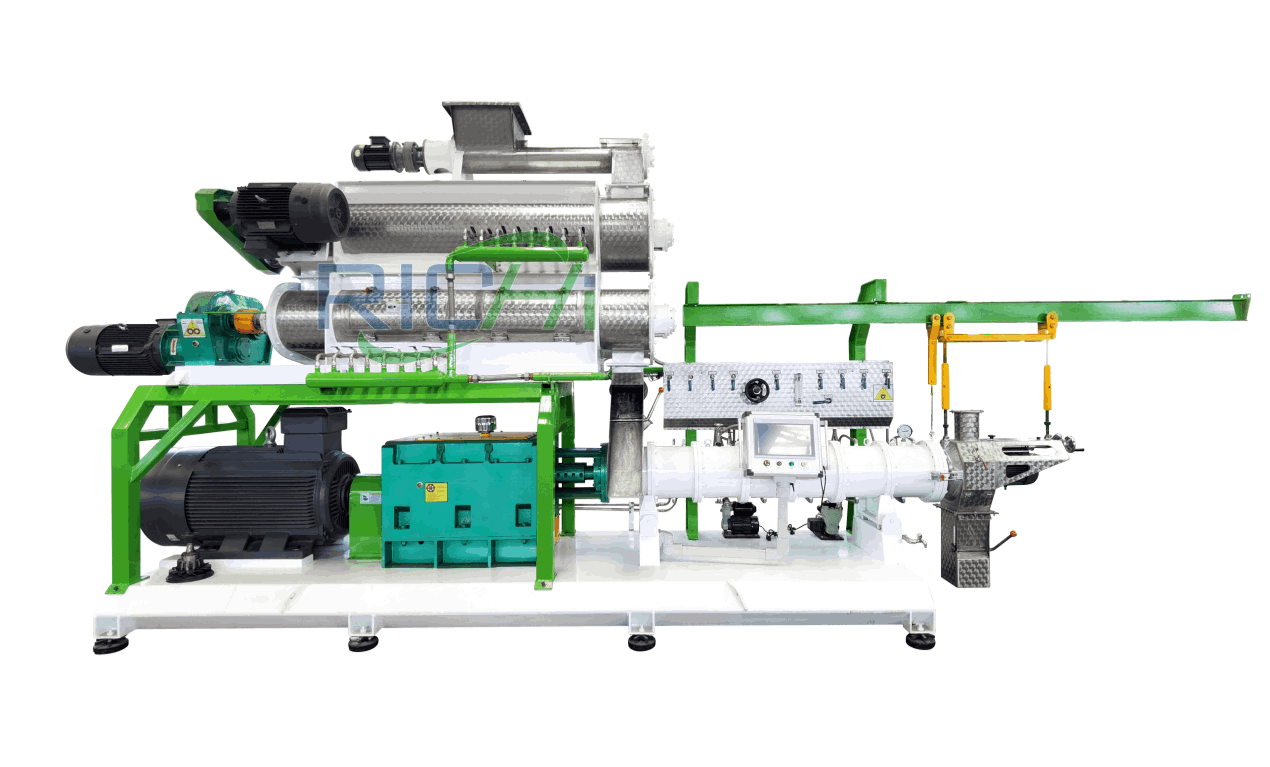
- Wet type extruder
- Drying system
- Cooling system
- Screening equipment
- Oil coating system
- Packaging system
The wet extrusion process uses additional steam and water during conditioning, creating ideal conditions for starch gelatinization and pellet expansion.
The advantages of a wet type fish feed mill include:
Higher Expansion Performance
The combination of moisture and heat improves pellet expansion, which is especially important for producing floating feed.
Better Nutrient Utilization
Improved gelatinization enhances digestibility and allows fish to absorb nutrients more effectively.
Stable Production Quality
Advanced control systems ensure consistent temperature, moisture, and pressure during processing.
Wider Feed Applications
A wet extrusion system can process different formulas for various fish species and farming conditions.
For commercial aquafeed manufacturers, investing in a wet extrusion production system provides a reliable way to improve product competitiveness.
https://richipelletizer.com/wet-type-fish-feed-extruder
Extrusion Technology and Feed Formula Flexibility
Modern aquaculture requires feed formulas that meet the nutritional needs of different species and growth stages. Extrusion technology provides greater flexibility compared with traditional processing methods.
Manufacturers can process a wide range of ingredients, including:
- Fish meal
- Soybean meal
- Wheat flour
- Corn
- Rice bran
- Rapeseed meal
- Animal protein sources
- Vegetable protein sources
- Functional additives
The ability to process diverse raw materials is especially important as the industry explores more sustainable feed ingredients.
For example, plant-based protein sources may have lower digestibility than fish meal, but extrusion can improve their nutritional performance by modifying ingredient structures.
This allows feed producers to reduce dependence on traditional marine ingredients while maintaining feed quality.
Improving Aquaculture Sustainability Through Extrusion
Sustainable aquaculture requires efficient use of resources and reduced environmental impact. Fish feed extrusion technology contributes to sustainability in several ways.
Reducing Feed Waste
High-quality extruded pellets are easier for fish to consume and remain stable in water longer, reducing wasted feed.
Improving Feed Conversion Efficiency
Better digestibility means fish require less feed to achieve growth targets, reducing resource consumption.
Reducing Water Pollution
Lower nutrient leakage helps maintain better water quality and reduces the environmental pressure of intensive farming systems.
Supporting Alternative Ingredients
Extrusion allows manufacturers to use more sustainable raw materials without sacrificing feed performance.
These advantages make extrusion technology an important tool for developing environmentally responsible aquaculture systems.
The Importance of Automation in Modern Fish Feed Extrusion
As aquaculture production becomes larger and more professional, automation has become increasingly important in fish feed manufacturing.
Modern extrusion production lines can integrate:
- PLC control systems
- Automatic temperature monitoring
- Intelligent feeding systems
- Digital production management
- Automatic lubrication systems
Automation improves production accuracy and reduces human error. It also helps manufacturers maintain consistent feed quality during long-term operation.
For large commercial feed plants, automated extrusion systems provide higher efficiency, lower labor requirements, and better production management.
Applications of Fish Feed Extrusion in Different Aquaculture Sectors
Fish feed extrusion technology is widely applied in various aquaculture industries.
Freshwater Fish Farming
Species such as tilapia, carp, and catfish benefit from extruded feed because of its high digestibility and water stability.
Marine Fish Farming
Marine fish often require high-protein feed with excellent nutritional performance. Extrusion helps produce specialized feed formulas.
Shrimp Farming
Extrusion technology can produce feed with suitable hardness and stability for shrimp and other crustaceans.
Ornamental Fish Feed Production
Small and precise pellets produced through extrusion are suitable for ornamental fish with specific feeding requirements.
Future Trends of Fish Feed Extrusion Technology
The future development of aquaculture will continue to increase demand for advanced feed processing technology. Fish feed extrusion is expected to become more intelligent, efficient, and environmentally friendly.
Future trends include:
- More automated production systems
- Energy-saving extrusion equipment
- Improved processing accuracy
- Greater use of alternative proteins
- Customized feed solutions
With continuous technological improvements, extrusion will help aquaculture producers achieve higher productivity while reducing environmental impact.
Conclusion
Fish feed extrusion is an essential technology for modern aquaculture because it improves feed quality, enhances nutrient digestibility, increases water stability, and supports efficient fish growth. By transforming raw ingredients into high-performance pellets, extrusion helps farmers reduce feed waste, improve profitability, and achieve more sustainable production.
A professional wet type fish feed pellet mill provides the advanced processing capability required for producing premium aquatic feed. Through precise control of moisture, temperature, and pressure, wet extrusion technology delivers excellent pellet expansion, strong water stability, and superior nutritional performance.
As global aquaculture continues to expand, fish feed extrusion will remain a key technology for meeting the growing demand for efficient, sustainable, and high-quality aquatic feed production.