

Introduction
Fish farming has become one of the most important sectors of global food production. As the world’s population continues to grow and demand for seafood increases, aquaculture has emerged as a sustainable solution to meet protein needs. However, successful fish farming depends on many factors, including water quality, farm management, disease control, and most importantly, feed quality.
Feed represents the largest operating cost in most aquaculture businesses, often accounting for 50% to 70% of total production expenses. Because of this, the quality of aquatic feed directly influences fish growth, survival rates, feed conversion efficiency, and farm profitability. High-quality feed provides the nutrients fish need to thrive, while poor-quality feed can lead to slow growth, increased disease susceptibility, water pollution, and financial losses.
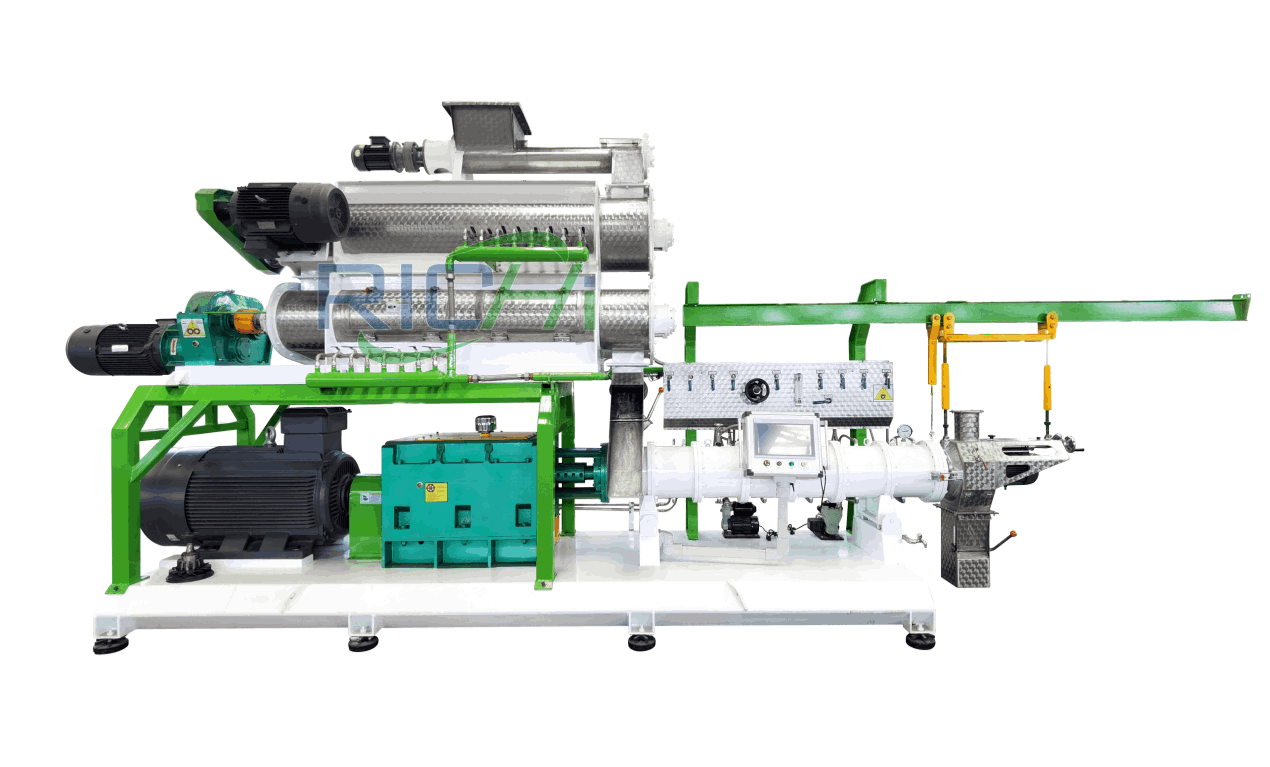
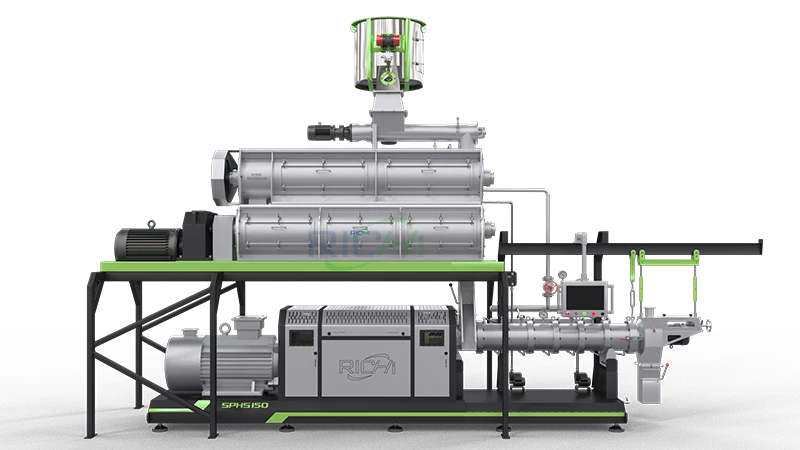
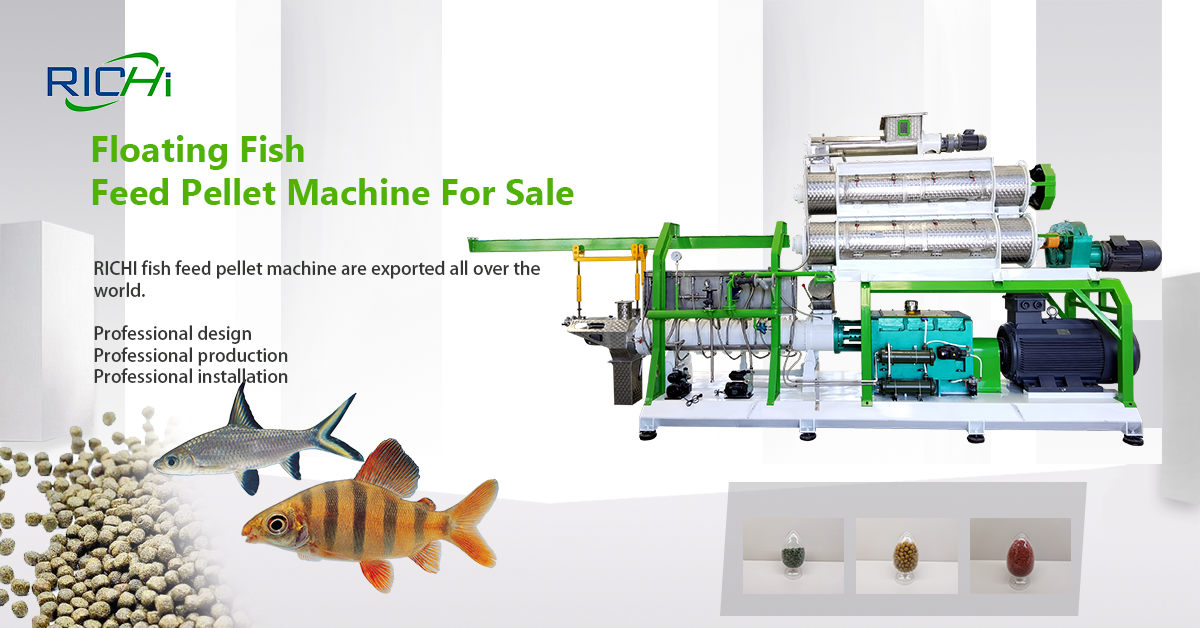
Modern feed manufacturing technologies, including advanced processing equipment such as the fish pellet making machine, enable producers to create nutritionally balanced and physically stable feed pellets that support optimal fish performance. Understanding the importance of feed quality is essential for anyone involved in fish farming.
The Role of Feed in Fish Farming
Fish rely entirely on the feed supplied by farmers to meet their nutritional requirements. Unlike wild fish, which can search for food in natural ecosystems, farmed fish depend on formulated diets designed to provide all essential nutrients.
Quality aquatic feed delivers:
- Protein for muscle development
- Lipids for energy and growth
- Vitamins for metabolic functions
- Minerals for skeletal development
- Amino acids for tissue formation
- Carbohydrates for energy utilization
When fish receive balanced nutrition, they grow efficiently and maintain strong immune systems. Conversely, nutrient deficiencies can result in poor growth performance, deformities, weakened immunity, and increased mortality.
Feed quality therefore serves as the foundation of successful fish farming operations.
How Feed Quality Affects Fish Growth
One of the most obvious impacts of feed quality is its effect on growth rates.
Fish require specific nutrient levels at different stages of development. Juvenile fish need high-quality protein to support rapid growth, while mature fish require balanced energy and nutrient intake to maintain body condition and achieve market size efficiently.
High-quality feed offers several growth advantages:
Faster Weight Gain
Balanced diets provide sufficient nutrients for muscle development and body growth.
Improved Feed Conversion Ratio
Fish can convert quality feed into body mass more efficiently, reducing feed waste and production costs.
Uniform Growth
Consistent feed quality promotes even growth across fish populations, simplifying farm management and harvest planning.
Reduced Production Time
Fish fed premium diets often reach market size faster, allowing farmers to complete more production cycles annually.
Because feed represents a major investment, improving feed quality can significantly enhance overall farm productivity.
The Importance of Protein Quality
Protein is the most critical and often the most expensive component of aquatic feed.
Fish require amino acids obtained from dietary protein to build muscle tissue and support physiological functions. However, not all protein sources provide the same nutritional value.
High-quality aquatic feeds contain carefully selected protein ingredients such as:
- Fish meal
- Soy protein concentrate
- Poultry by-product meal
- Corn gluten meal
- Insect protein
- Single-cell protein
The amino acid profile and digestibility of these ingredients determine how effectively fish can utilize the nutrients.
Poor-quality protein sources may contain indigestible components that reduce nutrient absorption and increase waste production.
Modern feed manufacturers use advanced formulation techniques and processing technologies to maximize protein utilization and support efficient growth.
Feed Quality and Fish Health
Nutrition plays a major role in maintaining fish health and disease resistance.
Fish exposed to environmental stress, fluctuating water conditions, or disease challenges require strong immune systems to remain productive. Quality feed provides the nutrients necessary to support immune function and physiological resilience.
Key nutrients that influence fish health include:
Vitamins
Vitamins A, C, D, and E support immune function and tissue repair.
Minerals
Essential minerals contribute to skeletal development and metabolic regulation.
Essential Fatty Acids
Omega-3 and omega-6 fatty acids help maintain healthy cell membranes and support immune responses.
Functional Additives
Modern aquatic feeds often contain:
- Probiotics
- Prebiotics
- Organic acids
- Immunostimulants
- Antioxidants
These ingredients improve gut health and help fish resist disease outbreaks.
Healthy fish populations require fewer treatments and experience lower mortality rates, resulting in improved profitability for farmers.
The Impact of Feed Quality on Water Quality
Feed quality affects not only fish performance but also the aquatic environment.
Poor-quality feed can contribute to significant water pollution through:
- Uneaten feed
- Excess nutrient discharge
- Poor digestibility
- Increased organic waste
When feed disintegrates quickly or contains poorly digestible ingredients, nutrients enter the water rather than being utilized by fish.
This can lead to:
Oxygen Depletion
Decomposing organic matter consumes dissolved oxygen.
Ammonia Accumulation
Fish waste and uneaten feed increase ammonia levels, which can be toxic.
Algae Blooms
Excess nutrients stimulate excessive algae growth.
Poor Water Clarity
Organic waste can reduce water quality and negatively affect fish health.
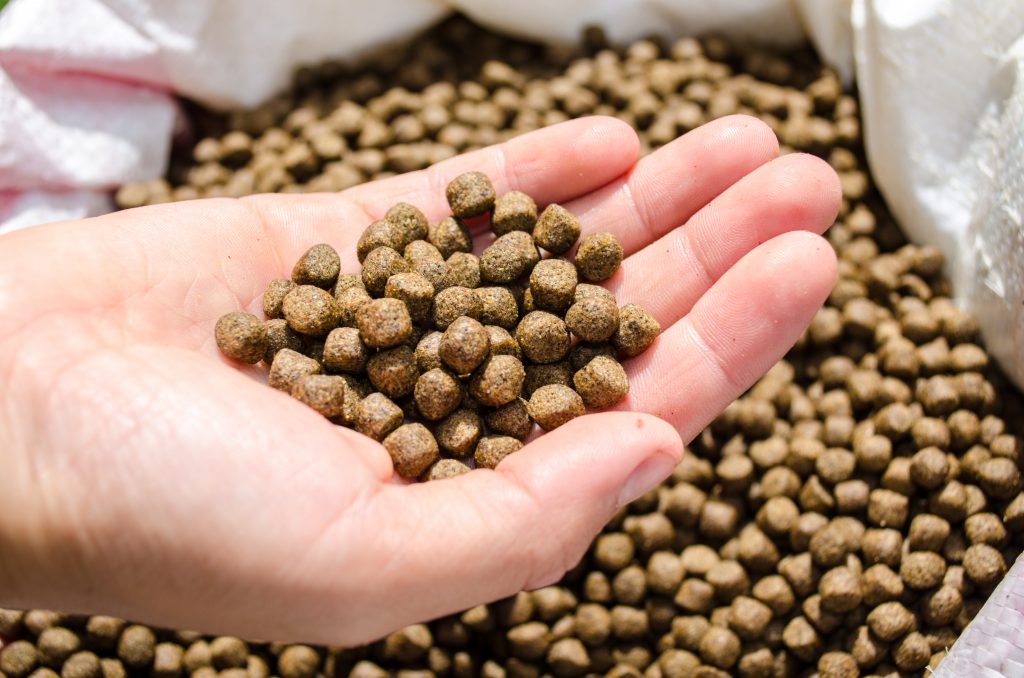
High-quality feed pellets maintain their integrity in water and provide superior digestibility, helping reduce environmental impacts and improve farm management.
Why Pellet Quality Matters
The physical characteristics of feed pellets are just as important as their nutritional composition.
Fish farmers rely on durable pellets that remain stable in water long enough for fish to consume them.
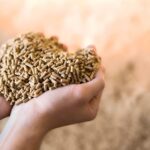
Quality pellets should possess:
Good Water Stability
Pellets should resist breaking apart before consumption.
Consistent Size
Different fish species and life stages require specific pellet diameters.
Proper Density
Pellets may need to float, sink slowly, or sink rapidly depending on feeding behavior.
High Durability
Strong pellets reduce dust formation and transportation losses.
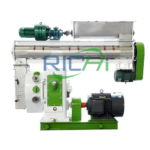
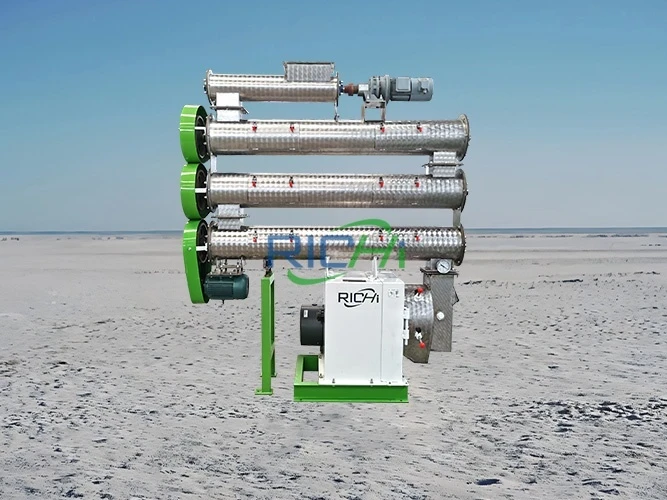
The fish pellet making machine is essential for achieving these characteristics. By compressing and shaping feed ingredients under controlled conditions, the machine produces uniform pellets that meet the physical requirements of modern aquaculture.
The Role of Fish Pellet Making Machines in Feed Quality
The fish pellet making machine is one of the most important pieces of equipment in aquatic feed production.
https://pelletisingmachine.com/fish-feed-pellet-making-machine
Its primary function is to transform feed ingredients into durable pellets that deliver consistent nutrition.
Modern fish pellet making machines contribute to feed quality in several ways:
Uniform Pellet Production
Consistent pellet size improves feeding efficiency and reduces sorting behavior among fish.
Improved Nutrient Retention
Controlled processing helps preserve valuable nutrients during pellet formation.
Better Water Stability
Proper compression increases pellet durability and minimizes nutrient loss.
Enhanced Digestibility
Well-formed pellets support efficient digestion and nutrient absorption.
Increased Production Efficiency
Automated systems maintain consistent quality while supporting large-scale feed manufacturing.
As aquaculture operations continue to expand, demand for advanced pellet production equipment continues to grow.
Economic Benefits of High-Quality Feed
Investing in high-quality feed provides substantial economic advantages for fish farmers.
Lower Feed Costs Per Kilogram of Fish Produced
Although premium feed may cost more initially, improved feed conversion often lowers overall production costs.
Reduced Mortality
Healthy fish populations experience fewer losses.
Faster Production Cycles
Rapid growth shortens the time required to reach market size.
Improved Product Quality
Well-nourished fish often command higher market prices.
Greater Profitability
Better growth and survival rates translate directly into higher financial returns.
For commercial fish farms, feed quality is not simply an expense—it is an investment that influences every aspect of production performance.
Feed Quality and Sustainable Aquaculture
Sustainability has become a major focus within the aquaculture industry.
As seafood demand increases, producers must balance productivity with environmental responsibility. High-quality feed contributes significantly to sustainable farming practices. (best site)
Benefits include:
Reduced Resource Waste
Efficient feed utilization lowers the amount of feed required per kilogram of fish produced.
Lower Environmental Impact
Improved digestibility reduces nutrient discharge into aquatic ecosystems.
Alternative Protein Utilization
Modern feeds increasingly incorporate sustainable protein sources such as insects, algae, and microbial proteins.
Improved Production Efficiency
Faster growth reduces resource consumption throughout the production cycle.
By improving feed quality, the industry can increase seafood production while minimizing environmental pressures.
Quality Control in Feed Manufacturing
Producing high-quality aquatic feed requires strict quality control throughout the manufacturing process.
Feed manufacturers monitor:
Raw Material Quality
Ingredients are tested for nutrient content, contamination, and freshness.
Processing Conditions
Grinding, mixing, conditioning, and pelletizing parameters are carefully controlled.
Nutritional Composition
Finished feeds are analyzed to verify nutrient levels.
Pellet Characteristics
Manufacturers evaluate durability, density, water stability, and size consistency.
Food Safety Standards
Testing helps prevent contamination by pathogens, toxins, or harmful substances.
These quality assurance measures help ensure that fish farmers receive reliable and effective feed products.
Future Developments in Aquatic Feed Quality
The aquaculture industry continues to invest in innovations that improve feed quality and sustainability.
Emerging trends include:
Precision Nutrition
Advanced formulations provide nutrients tailored to specific species and life stages.
Functional Feeds
Feeds increasingly incorporate health-promoting additives that improve immunity and stress tolerance.
Sustainable Ingredients
Alternative protein sources reduce dependence on marine resources.
Smart Manufacturing Technologies
Digital monitoring systems improve consistency and production efficiency.
Advanced Pellet Production
New generations of fish pellet making machine technology offer better process control, energy efficiency, and product quality.
These innovations will help support the continued growth of global aquaculture.
Conclusion
Feed quality is one of the most important factors determining success in fish farming. High-quality aquatic feed supports faster growth, stronger immunity, better feed conversion, improved water quality, and higher profitability. By providing balanced nutrition and durable pellets, quality feed enables fish farmers to maximize production efficiency while maintaining healthy fish populations.
The development of modern feed manufacturing technologies, particularly the fish pellet making machine, has significantly improved the consistency, durability, and nutritional value of aquatic feed. These advancements help reduce waste, support sustainable aquaculture practices, and enhance farm performance.
As the global aquaculture industry continues to expand, the importance of feed quality will only increase. Farmers who prioritize high-quality feed can expect better production outcomes, stronger financial returns, and a more sustainable future for their aquaculture operations.