

Rabbit farming has evolved from small backyard production systems into a structured and highly commercialized livestock industry. As global demand for rabbit meat, laboratory animals, and sustainable protein sources continues to grow, feed manufacturing has become one of the most important segments in the agricultural supply chain. Feed accounts for the largest proportion of production cost in rabbit farming, often exceeding 60%–70% of total expenses. Because of this, investing in rabbit feed manufacturing equipment has become a strategic decision for farmers, feed companies, and agricultural investors.
Modern feed production is no longer dependent on manual mixing or small-scale preparation. Instead, efficient and automated systems such as the rabbit pellet maker and integrated livestock feed production line are now widely used to produce high-quality, balanced, and cost-effective rabbit feed pellets.
This article explains in detail why investing in rabbit feed manufacturing equipment is profitable, sustainable, and essential for modern rabbit farming operations.
1. The Rapid Growth of the Rabbit Farming Industry
The global rabbit farming industry is expanding for several reasons:
- Increasing demand for lean, low-fat meat
- Growth of organic and sustainable livestock production
- Rising demand for laboratory and medical research animals
- Expansion of small-scale commercial farms in developing countries
- Efficient feed conversion rate compared to other livestock
Rabbits grow quickly and require relatively low space and capital investment. However, their performance is extremely sensitive to feed quality. Poor nutrition leads to digestive issues, slow growth, and high mortality rates. Therefore, feed quality directly determines farm profitability.
This increasing demand for reliable feed is one of the strongest reasons to invest in rabbit feed manufacturing equipment.
2. Why Feed Production Is the Most Important Cost Factor
In rabbit farming, feed represents the largest operating cost. Farmers who rely on purchased commercial feed often face:
- High and unstable feed prices
- Inconsistent quality
- Supply chain dependency
- Limited control over formulation
By investing in a livestock feed production line, farms and companies can produce their own feed, significantly reducing long-term costs.
Key benefits include:
- Lower cost per ton of feed
- Better control over ingredients
- Stable production supply
- Custom formulations for different rabbit stages
This independence from external suppliers is one of the strongest financial motivations for investment.
3. The Role of Rabbit Feed Manufacturing Equipment
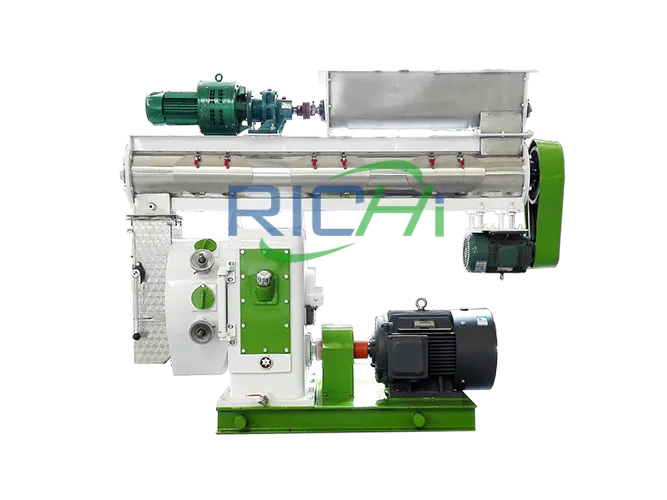
Rabbit feed manufacturing equipment refers to a complete system that processes raw materials into high-quality feed pellets. It typically includes:
- Grinding machines
- Mixing equipment
- Conveying systems
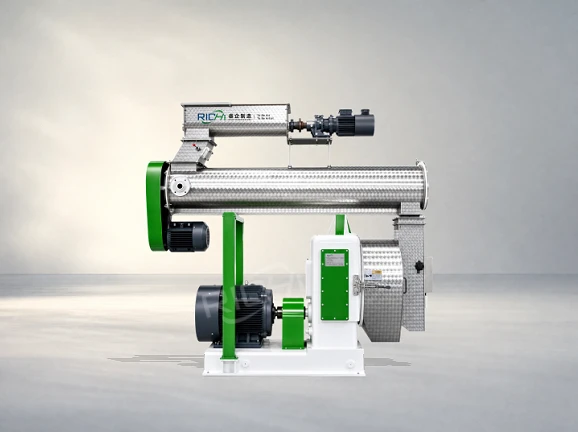
- Pelletizing system (rabbit pellet maker)
- Drying and cooling systems
- Screening and packaging machines
Each part plays a critical role in ensuring feed quality, consistency, and efficiency.
A modern livestock feed production line is designed for continuous operation, high output, and stable performance.
4. The Importance of the Rabbit Pellet Maker
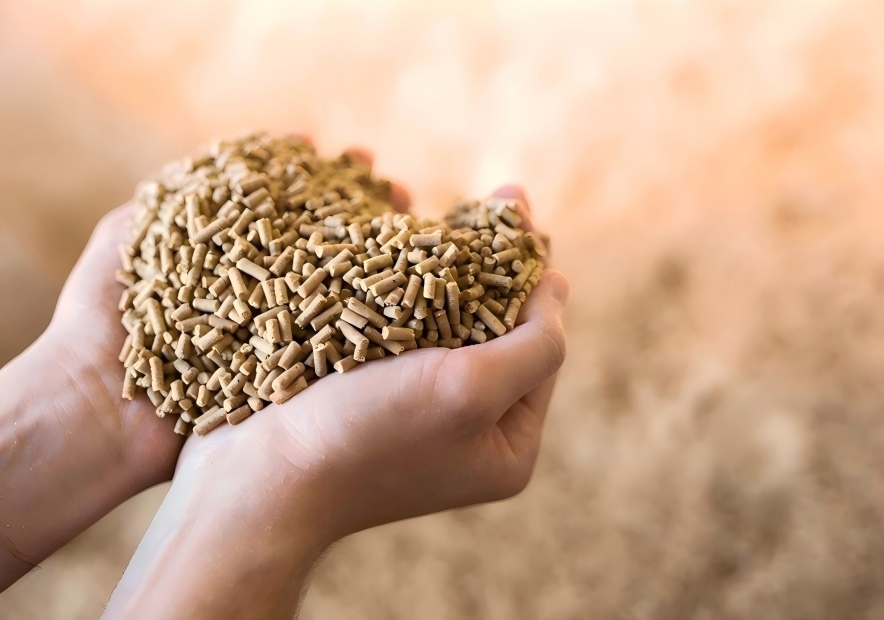
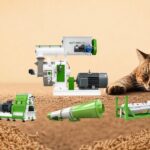
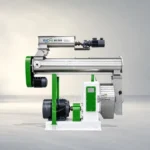
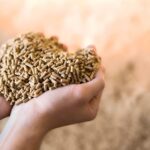
At the heart of any rabbit feed system is the rabbit pellet maker. This machine transforms powdered feed into compact pellets that are ideal for rabbit consumption.
How it works
- Raw feed material enters the pellet chamber
- Rollers compress material through a die
- High pressure and heat form pellets
- Pellets are cut into uniform sizes
- Finished pellets are discharged for cooling
Why pellets are essential for rabbits
Rabbits require a high-fiber diet and tend to selectively eat ingredients when feed is loose. The rabbit pellet maker solves this problem by ensuring:
- Uniform nutrient intake
- Reduced feed waste
- Better digestion efficiency
- Improved growth performance
- Reduced dust contamination
Pellet feed ensures every bite contains balanced nutrition, which is critical for healthy rabbit development.
5. Control Over Feed Quality and Nutrition
One of the biggest advantages of investing in a livestock feed production line is complete control over feed formulation.
Rabbit feed typically includes:
- Alfalfa meal
- Grass meal
- Corn
- Wheat bran
- Soybean meal
- Vitamins and minerals
By manufacturing feed internally, producers can:
- Adjust protein levels for growth stages
- Control fiber content for digestion health
- Improve feed conversion ratios
- Avoid harmful additives or low-quality ingredients
This level of control is not possible when relying on commercial feed suppliers.
6. Improving Farm Productivity and Efficiency
High-quality feed directly improves rabbit productivity. With a proper rabbit pellet maker and production system, farms can achieve:
- Faster weight gain
- Higher survival rates
- Improved reproduction performance
- Lower feed conversion ratios (FCR)
Efficient feed production ensures that animals receive consistent nutrition, which stabilizes production outcomes.
7. Cost Reduction and Long-Term Profitability
Although purchasing a livestock feed production line requires initial investment, it significantly reduces long-term costs.
Savings come from:
- Eliminating feed supplier markup
- Reducing transportation costs
- Minimizing feed waste
- Using local raw materials
Over time, feed production equipment pays for itself through reduced operational expenses and increased productivity.
https://pelletisingmachine.com/livestock-feed-production-line
8. Flexibility in Feed Production
Modern rabbit feed manufacturing systems are highly flexible. A rabbit pellet maker can produce different pellet sizes and formulations depending on rabbit age and purpose:
- Starter feed for young rabbits
- Growth feed for fattening rabbits
- Breeding feed for adult rabbits
In addition, the same livestock feed pellet production line can often be adapted to produce feed for other animals such as chickens, pigs, or sheep, increasing equipment utilization and return on investment.
9. Automation and Labor Reduction
Modern feed production equipment is highly automated. PLC control systems manage:
- Raw material feeding
- Mixing ratios
- Pellet machine operation
- Temperature and moisture control
- Packaging systems
Automation reduces the need for manual labor and improves operational accuracy.
Benefits include:
- Lower labor costs
- Reduced human error
- Stable product quality
- Higher production efficiency
This makes feed production more scalable and easier to manage.
10. Environmental and Sustainability Benefits
Investing in rabbit feed manufacturing equipment also supports environmental sustainability.
Key benefits include:
- Efficient use of agricultural by-products
- Reduced food waste
- Lower transportation emissions
- Improved resource recycling
Many raw materials used in rabbit feed are agricultural residues such as straw and grass, which helps reduce environmental pressure.
11. Integration with Livestock Feed Production Line Systems
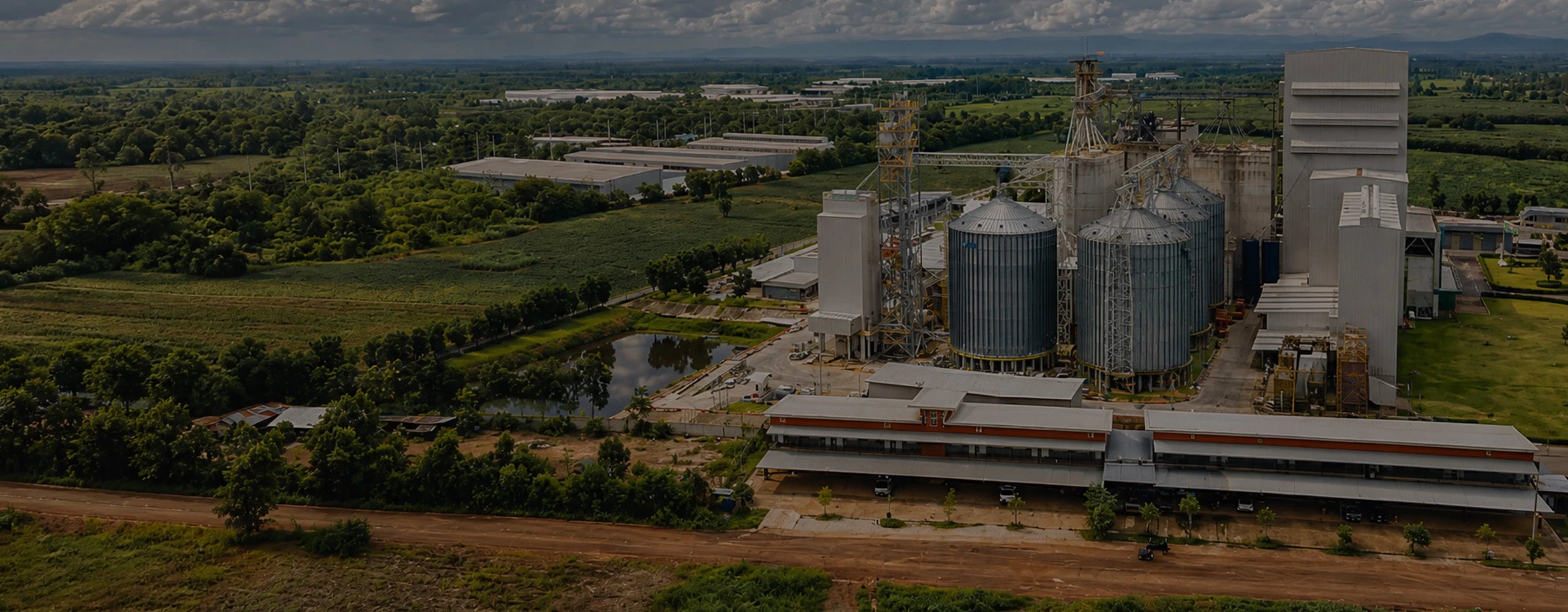
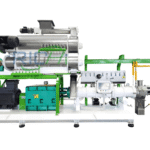
A modern livestock feed production line integrates all processing stages into a continuous system. This ensures:
- High production efficiency
- Stable feed quality
- Reduced material loss
- Continuous operation
Typical production flow:
- Raw material intake
- Crushing
- Mixing
- Pelletizing (rabbit pellet maker)
- Drying
- Cooling
- Screening
- Packaging
This integrated system is essential for commercial-scale production.
12. Market Opportunities in Rabbit Feed Industry
The rabbit feed industry is growing due to:
- Expanding rabbit meat consumption
- Increased export demand
- Growth of organic farming
- Expansion of industrial rabbit farms
Investors in feed production equipment can benefit from:
- Selling feed to local farms
- Exporting rabbit feed pellets
- Supplying integrated farming systems
- Contract manufacturing for agricultural companies
This creates multiple revenue streams.
13. Maintenance and Operational Stability
To ensure long-term performance, feed production equipment requires proper maintenance:
- Cleaning rabbit pellet maker dies
- Lubricating moving parts
- Inspecting mixers and grinders
- Replacing worn components
- Calibrating automation systems
Well-maintained equipment ensures stable output and reduces downtime.
14. Scalability of Feed Production Systems
Another advantage of investing in feed equipment is scalability. A livestock feed production line can be designed for:
- Small farms (low capacity systems)
- Medium feed factories
- Large industrial production plants
As demand grows, production capacity can be expanded without replacing the entire system.
15. Technological Advancements in Feed Equipment
Modern rabbit feed production systems are becoming more advanced with:
- Smart monitoring systems
- Energy-efficient motors
- AI-based feed formulation
- Remote control and diagnostics
- Improved pellet durability technology
These innovations increase efficiency and reduce production costs.
16. Return on Investment (ROI)
Most investors recover their costs within a few years due to:
- Lower feed production costs
- Increased sales opportunities
- Reduced dependency on suppliers
- Higher farm productivity
The combination of cost savings and revenue generation makes feed manufacturing equipment a highly profitable investment.
Conclusion
Investing in rabbit feed manufacturing equipment is a strategic decision that offers strong economic, operational, and environmental benefits. At the center of this system is the rabbit pellet maker, supported by a fully integrated livestock feed production line that ensures efficient, consistent, and high-quality feed production.
As the global rabbit farming industry continues to grow, demand for reliable and cost-effective feed production systems will increase. Businesses that invest early in modern feed manufacturing technology will gain a significant competitive advantage, achieving lower costs, higher productivity, and long-term profitability in the livestock industry.