


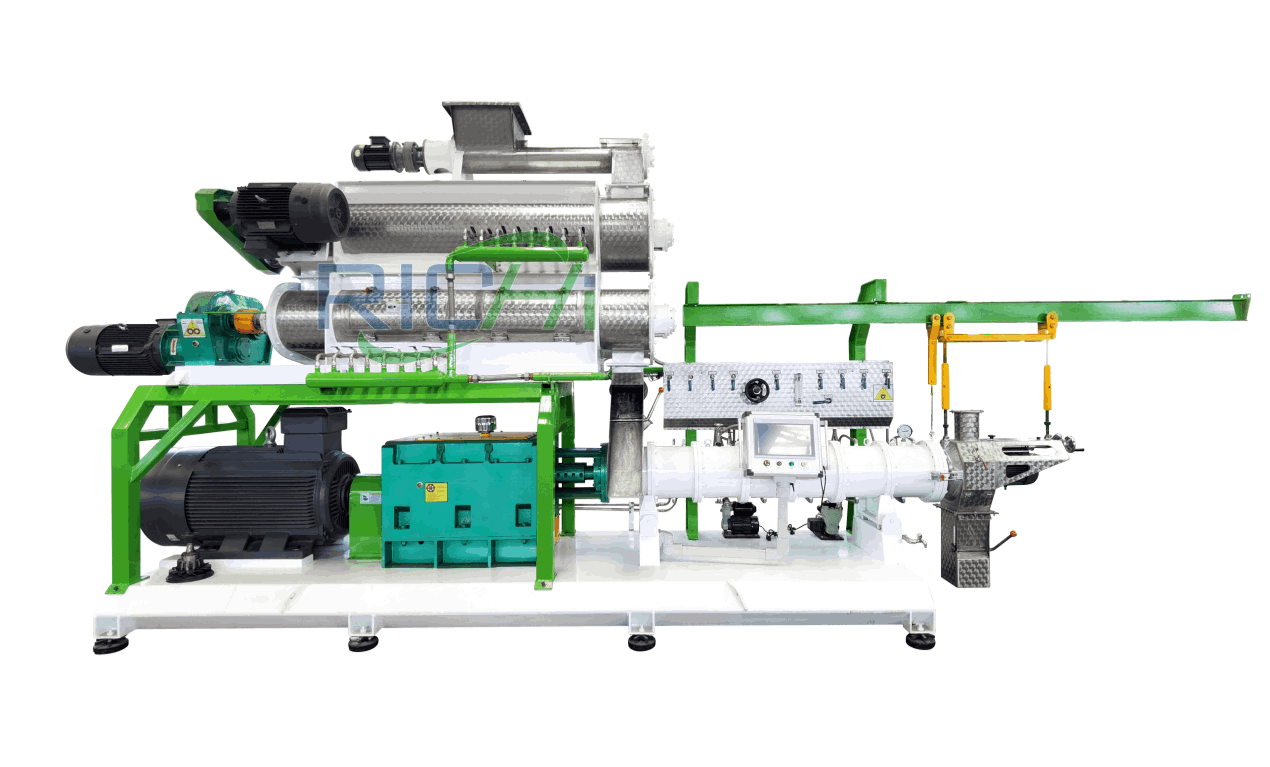
A production capacity of 1–2 tons per hour can be suitable for commercial aquaculture feed production and medium-sized feed businesses. At this scale, the production system needs to maintain a stable flow of ingredients through grinding, mixing, extrusion, drying, cooling, and packaging.
The main equipment is important, but the performance of the complete system depends on how well each processing stage is matched to the target capacity.
Understanding the 1–2 TPH Capacity
The term 1–2 TPH refers to an approximate finished-feed output of one to two tons per hour. Actual production can vary according to the feed formulation, pellet diameter, raw material characteristics, moisture content, and machine configuration.
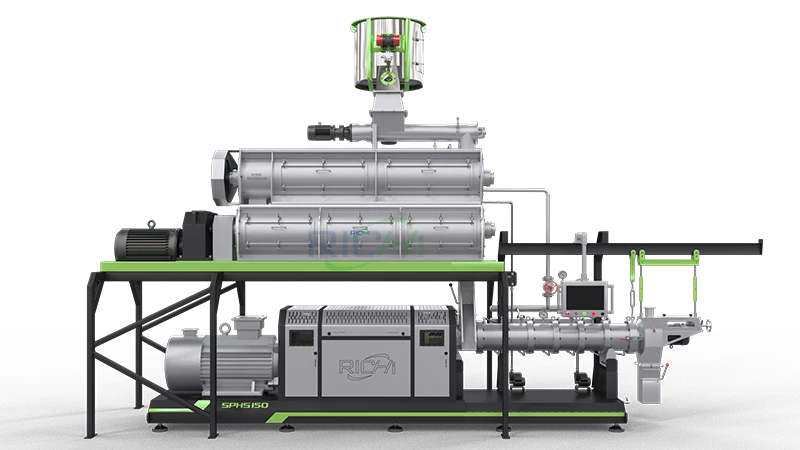
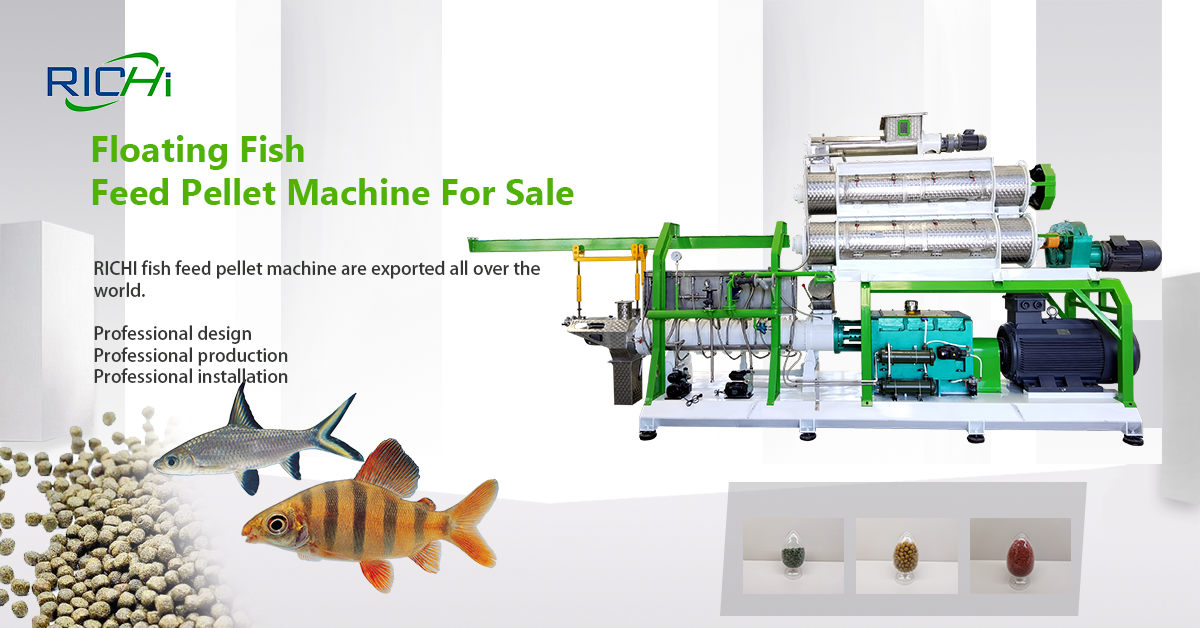
A floating fish feed extruder machine 1-2 tph can be selected when the required production capacity falls within this range. However, the actual output should be confirmed according to the specific feed formula and operating conditions.
For a plant operating eight hours per day, for example, the theoretical hourly capacity provides a basis for estimating daily production. Actual output will also depend on startup, cleaning, maintenance, and other operating factors.
Raw Material Preparation
Floating fish feed can contain ingredients such as fish meal, soybean meal, corn, wheat flour, rice bran, oils, vitamins, and minerals.
Before extrusion, ingredients generally need to be ground to a suitable particle size. Fine and relatively uniform particles can improve mixing and support more consistent extrusion.
The prepared ingredients are then weighed and mixed according to the feed formulation.
If several different formulas will be produced, the dosing and mixing system should be designed to allow accurate ingredient handling and convenient formula changes.
Conditioning Before Extrusion
Conditioning prepares the mixed ingredients for extrusion by adding controlled amounts of moisture and heat.
The process can soften the feed material and improve its processing characteristics before it enters the extruder.
The required conditioning conditions depend on the formulation and equipment. Therefore, the correct moisture and temperature settings should be established through testing rather than using the same values for every feed formula.
Extrusion and Pellet Formation
During extrusion, the feed mixture moves through the screw under heat, pressure, and mechanical shear.
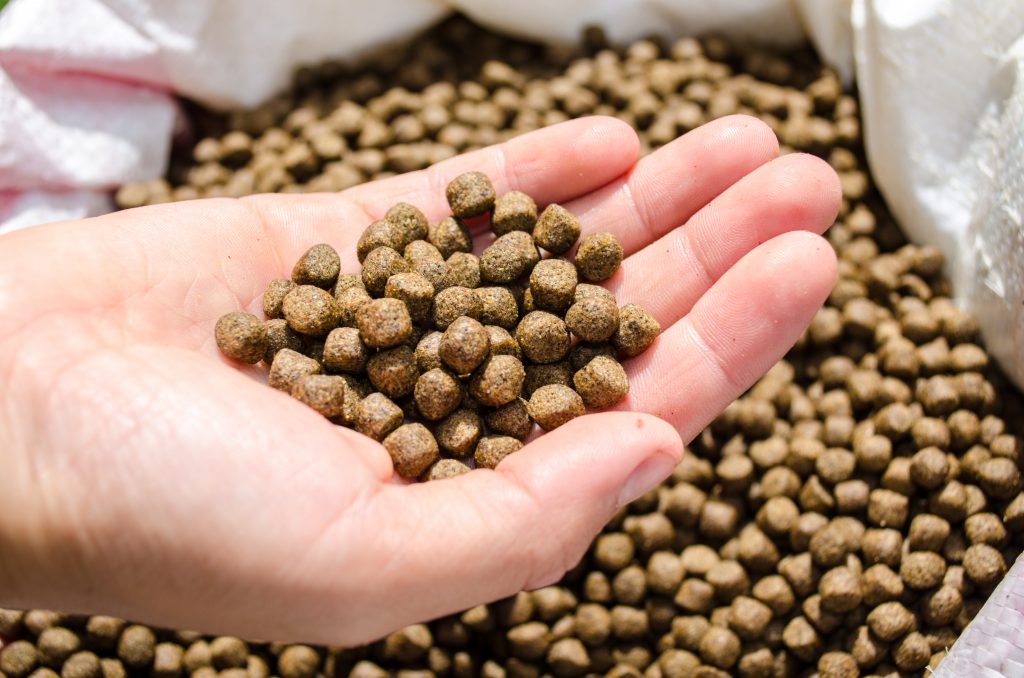
When the processed material exits through the die, the sudden pressure reduction can cause expansion. This expansion reduces the density of the product and helps the pellets remain on the water surface.
A cutter then cuts the extruded material into pellets of the required length.
Die diameter determines the approximate pellet diameter, while cutter speed and extrusion conditions influence pellet length and appearance.
Depending on the desired feed type, producers may also compare different extrusion methods, such as a small wet type fish feed extruder, when planning equipment for specific raw materials and processing conditions.
Drying and Cooling
Freshly extruded feed contains considerable moisture and heat. It normally needs to be dried before long-term storage.
The dryer should have sufficient capacity to match the output of the extrusion section. If drying capacity is too low, it can become a bottleneck in the production process.
After drying, the pellets are cooled to reduce their temperature and prepare them for screening and packaging.
The cooling stage is particularly important for continuous production because finished feed should not be packed while it is still excessively hot.
Screening and Coating
Screening removes fines and particles outside the required size range.
Depending on the product formulation, an oil or liquid coating system may also be installed. Coating can be used to add oil or other liquid components after extrusion and drying.
The final process configuration depends on the nutritional requirements and product specifications.
Typical Equipment Configuration
A 1–2 TPH floating fish feed production system may include:
- Raw material grinder
- Dosing and weighing system
- Mixer
- Conditioner
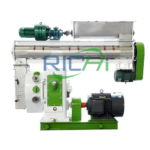
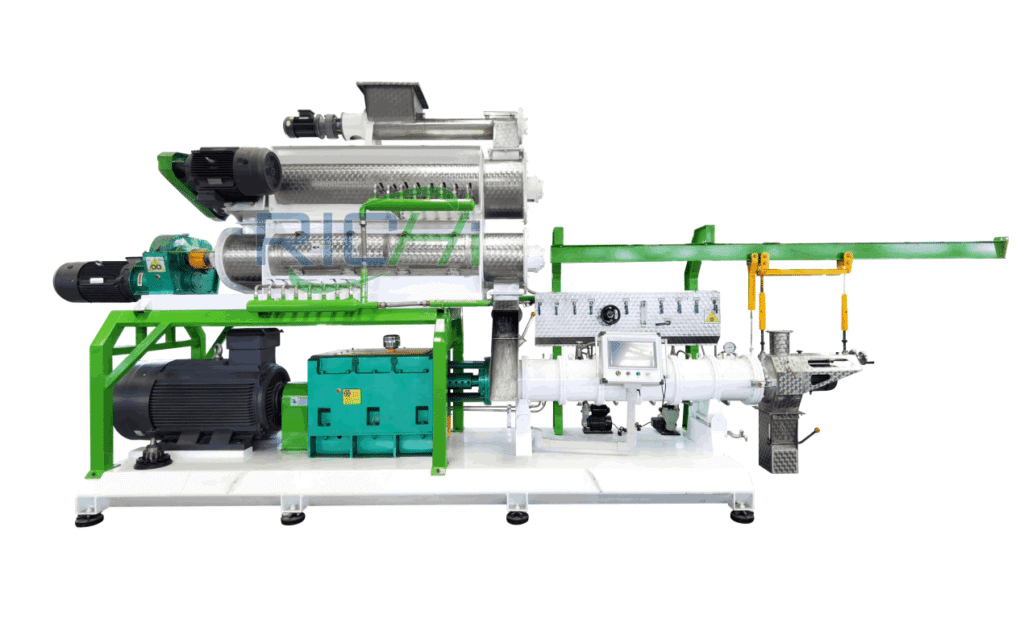
- Extruder
- Pellet cutter
- Dryer
- Cooler
- Vibrating screen
- Coating machine
- Conveyors
- Packing machine
A pellet production line can connect these sections into a continuous material flow.
Not every project needs the same equipment. For example, a small operation with pre-ground ingredients may require a simpler preparation section, while a commercial plant may need automatic dosing, conveying, and packaging.
Energy and Utility Requirements
A 1–2 TPH project also needs to consider electricity, water, and heat requirements.
The extrusion section requires electrical power, while drying may require a separate heat source. The actual energy consumption depends on equipment efficiency, raw material moisture, feed formulation, and operating conditions.
If the material entering the dryer contains more moisture, greater drying energy may be required.
Utilities should therefore be included when planning the plant rather than considered after the equipment has been selected.
Planning Before Purchase
Before purchasing equipment, buyers should provide several key details:
- Target production capacity
- Fish species
- Feed formulation
- Pellet diameter
- Floating requirements
- Raw material condition
- Moisture content
- Operating hours
- Desired automation level
- Packaging method
These details help determine the appropriate extrusion, drying, cooling, and material-handling configuration.
For businesses planning a 1–2 TPH floating fish feed project, selecting equipment according to the complete production process is more useful than choosing an extruder based only on its nominal capacity.
For additional information about fish feed processing and extrusion equipment, read more before finalizing the production system.
Related Post: https://pelletizerequipment.com/twin-screw-extrusion-machine/