Introduction: The Importance of Equipment in Modern Aquatic Feed Production
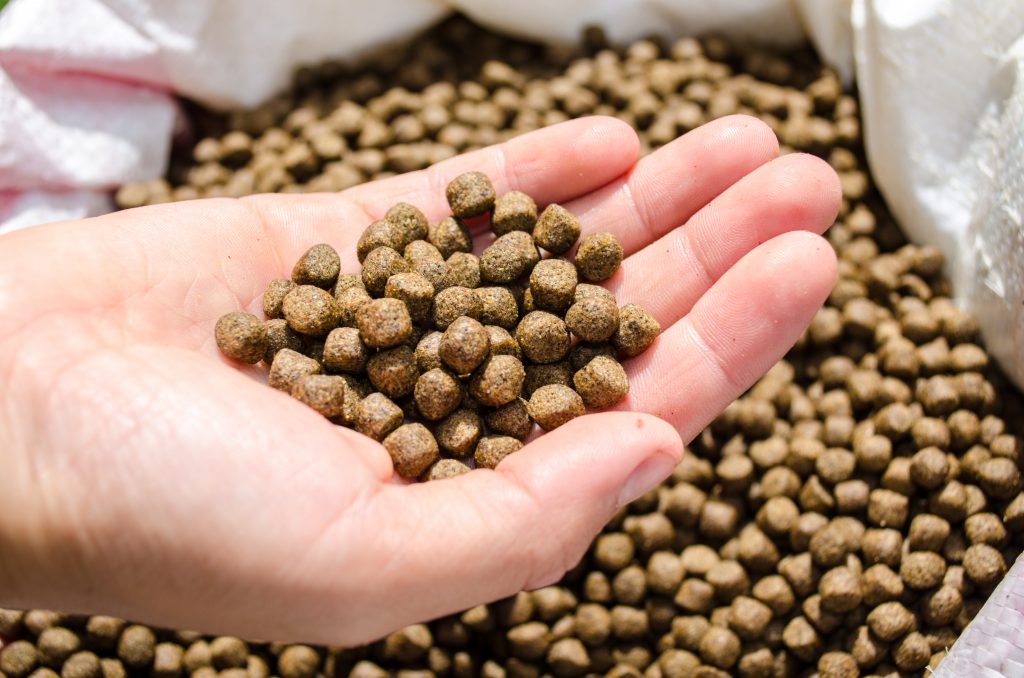
Aquaculture has developed rapidly in recent years due to increasing global demand for fish, shrimp, and other aquatic products. As fish farming becomes more intensive and commercialized, the demand for high-quality aquatic feed continues to grow. Feed quality directly affects aquatic animal growth, feed conversion efficiency, production costs, and farming profitability.
Producing high-performance aquatic feed requires more than a good formula and quality raw materials. A complete and efficient production process depends on a series of specialized machines that can accurately process ingredients into nutritious, stable, and easily digestible pellets.
Unlike ordinary animal feed, aquatic feed has unique requirements. Pellets must maintain their shape in water, provide sufficient nutrition, and have suitable floating or sinking characteristics depending on the feeding habits of different species. Therefore, aquatic feed production requires advanced equipment designed specifically for these challenges.
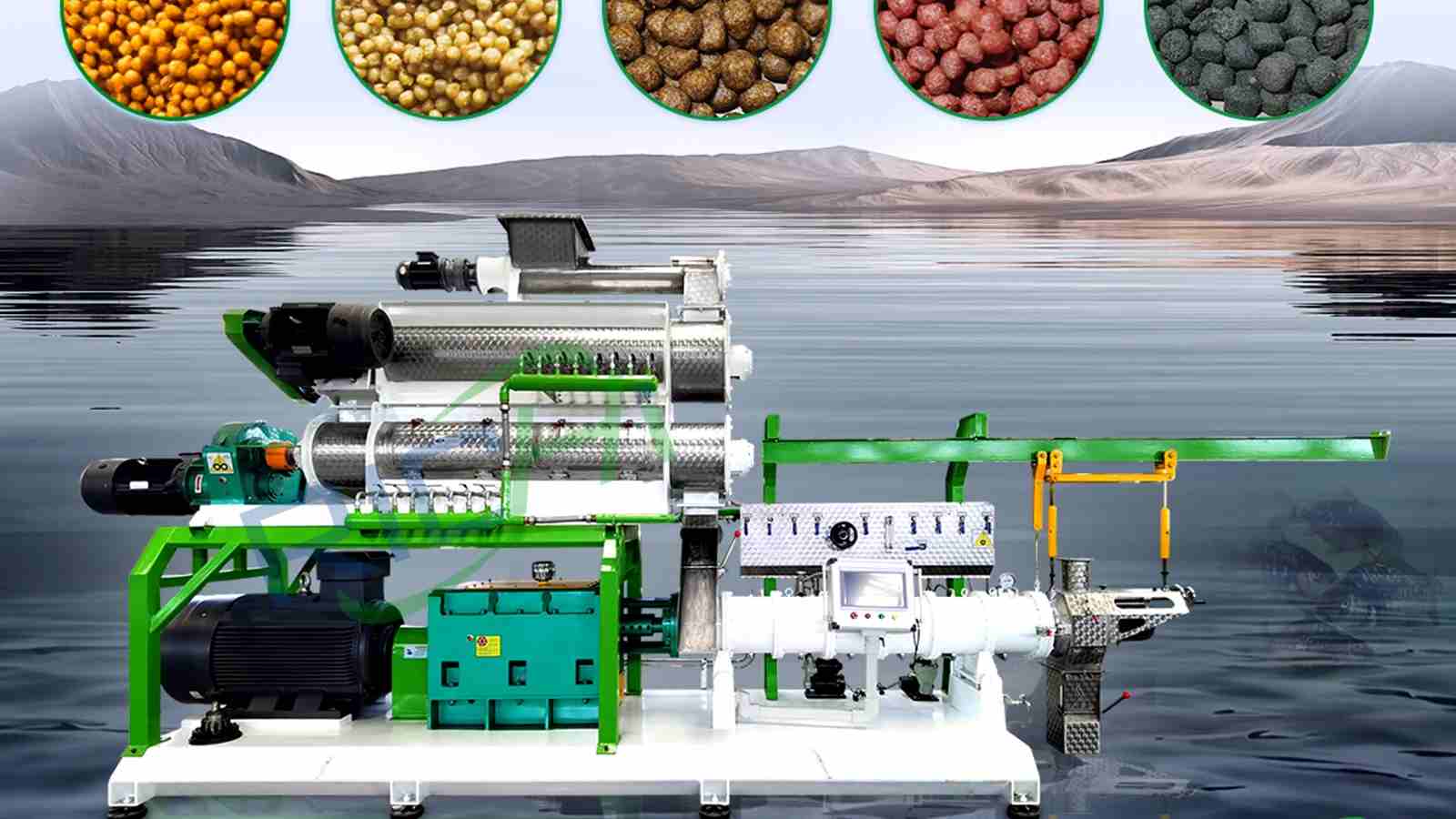
A complete aquatic feed production line usually includes raw material cleaning equipment, crushing machines, batching systems, mixers, extrusion equipment, drying systems, cooling machines, screening equipment, and packaging systems. Among these machines, the dry type floating fish feed extruder machine is one of the most important pieces of equipment because it determines the quality, buoyancy, and physical performance of floating aquatic feed pellets.
Understanding the function of each machine helps investors and feed manufacturers design efficient production systems, reduce operating costs, and produce high-quality aquatic feed products.
Raw Material Cleaning Equipment: Ensuring Feed Safety
The first stage of aquatic feed production is raw material preparation. Before entering the processing system, ingredients must be cleaned to remove impurities that may affect feed quality or damage production equipment.
Common raw materials include:
- Fish meal
- Soybean meal
- Corn
- Wheat flour
- Rice bran
- Vegetable protein sources
- Oils
- Vitamins and minerals
During transportation and storage, raw materials may contain dust, stones, metal particles, and other foreign materials. Cleaning equipment removes these unwanted substances before production.
Typical cleaning machines include:
Vibrating Screens
Vibrating screens separate large impurities and improve raw material quality.
Magnetic Separators
Magnetic separators remove metal particles that could damage crushers and other machines.
Dust Collection Systems
Dust removal systems improve the working environment and reduce material losses.
Effective cleaning protects equipment, improves feed safety, and creates a stable foundation for the entire production process.
Crushing Equipment: Preparing Ingredients for Better Processing
After cleaning, raw materials need to be crushed into smaller particles. Particle size has a significant influence on mixing efficiency, extrusion performance, and final pellet quality.
A hammer mill is one of the most commonly used machines for aquatic feed production.
The main functions of crushing equipment include:
- Reducing particle size
- Improving nutrient availability
- Enhancing mixing uniformity
- Supporting better pellet formation
For example, small fish feed requires finer particles because young fish have smaller digestive systems. Larger aquatic animals may accept slightly larger pellet structures.
An efficient crushing system helps ensure that ingredients are properly prepared before entering the mixing and extrusion stages.
Automatic Batching System: Achieving Accurate Ingredient Proportions
Aquatic feed formulas usually contain multiple ingredients in precise proportions. Even small variations in ingredient ratios can affect nutritional performance and pellet quality.
An automatic batching system is designed to accurately weigh and deliver different ingredients according to the feed formula.
The advantages of automatic batching include:
- Higher weighing accuracy
- Reduced human error
- Improved production efficiency
- Consistent feed quality
For large-scale aquatic feed factories producing multiple formulas, automatic batching is especially important because it allows quick switching between different feed products.
Accurate ingredient control helps manufacturers maintain stable nutritional value and improve customer satisfaction.
Mixing Equipment: Creating Uniform Feed Mixtures
After batching, all ingredients need to be mixed evenly. A high-quality mixer ensures that protein sources, energy ingredients, additives, and other components are distributed uniformly.
Common aquatic feed mixers include:
- Paddle mixers
- Ribbon mixers
- Double-shaft mixers
A good mixing process provides:
- Consistent nutrient distribution
- Better pellet quality
- Improved extrusion performance
During mixing, manufacturers may also add:
- Oils
- Enzymes
- Vitamins
- Minerals
- Functional additives
Uniform mixing ensures that each pellet contains the same nutritional composition, improving feeding results.
Conditioning System: Preparing Materials Before Extrusion
Conditioning is an important preparation stage before extrusion. During this process, moisture and heat are added to the mixed materials to improve processing performance.
The conditioning process helps:
- Improve material flexibility
- Enhance starch gelatinization
- Increase pellet durability
- Improve extrusion efficiency
Proper conditioning allows extrusion equipment to operate more smoothly and produce pellets with better physical characteristics.
The conditioning parameters depend on:
- Feed formula
- Raw material characteristics
- Target pellet type
- Desired water stability
Good conditioning is essential for producing high-quality aquatic feed.
Dry Type Floating Fish Feed Extruder Machine: The Core Equipment for Floating Feed Production
Extrusion is the most critical stage in modern aquatic feed production because it determines the structure and performance of final pellets.
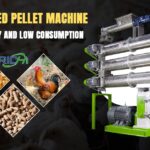
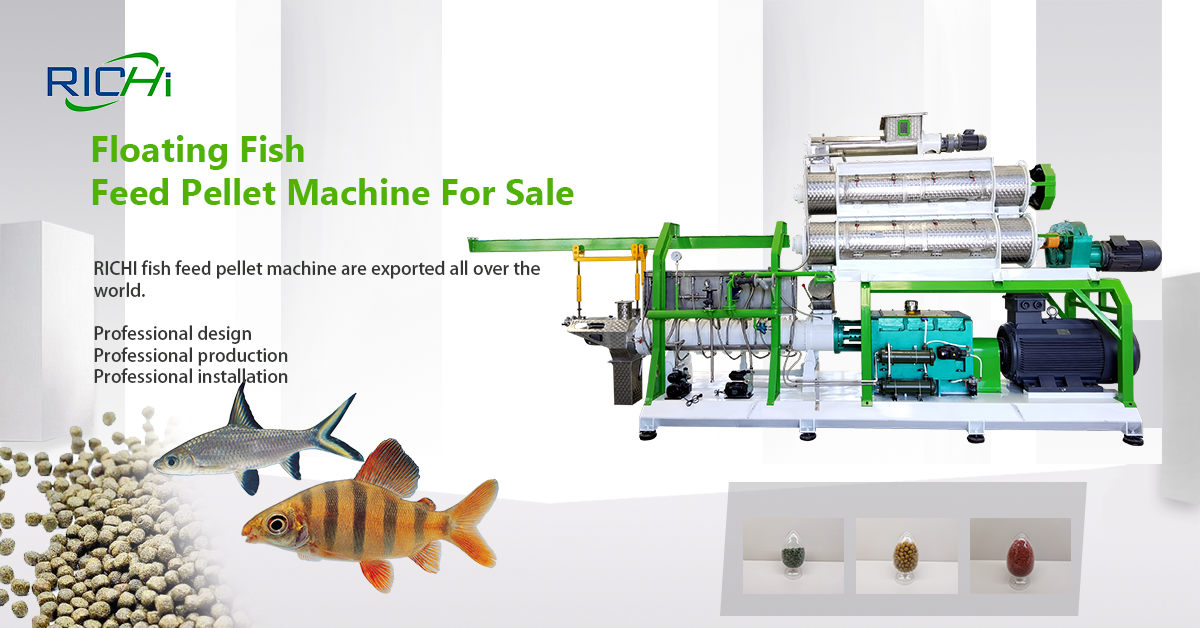
A dry type floating fish feed extruder machine is widely used for producing floating aquatic feed without requiring a steam conditioning system. It processes the feed mixture through mechanical energy, pressure, and temperature generated inside the extrusion chamber.
https://richipelletizer.com/floating-fish-feed-extruder-machine
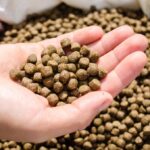
The machine transforms the prepared mixture into expanded pellets with controlled density and excellent floating ability.
The main advantages of a dry type floating fish feed extruder machine include:
Producing Stable Floating Pellets
The extrusion process creates a porous internal structure that allows pellets to float on the water surface.
Improving Digestibility
High temperature and mechanical processing help gelatinize starch and improve nutrient utilization.
Flexible Production
By changing dies and adjusting operating parameters, manufacturers can produce different pellet sizes for various aquatic species.
Lower Investment Requirements
Compared with some large industrial extrusion systems, dry type extruders can provide a practical solution for small and medium-sized feed producers.
The equipment is suitable for producing feed for:
- Tilapia
- Catfish
- Carp
- Trout
- Other freshwater fish
For businesses entering the aquatic feed market, choosing suitable extrusion equipment is a key factor affecting product quality and profitability.
(Learn more dry type fish feed extruder for sale)
Drying Equipment: Improving Feed Storage Stability
Freshly extruded pellets contain high moisture content and require drying before packaging.
Drying equipment removes excess moisture to improve:
- Shelf life
- Storage stability
- Product safety
- Pellet strength
Common drying systems use hot air circulation to gradually reduce moisture while maintaining nutritional quality.
Proper drying prevents:
- Mold growth
- Feed deterioration
- Pellet deformation
A well-designed drying system ensures that finished feed maintains consistent quality during transportation and storage.
Cooling Equipment: Stabilizing Pellet Quality
After drying, feed pellets remain warm and need to be cooled before packaging.
Cooling equipment removes remaining heat and stabilizes the pellet structure.
The cooling process helps:
- Prevent moisture condensation
- Improve pellet hardness
- Maintain product quality
Efficient cooling is especially important for large-scale production because it ensures continuous operation and prevents storage problems.
Screening Equipment: Improving Product Consistency
After cooling, feed pellets pass through screening equipment to separate qualified products from broken pellets and excess powder.
Screening improves:
- Pellet appearance
- Product uniformity
- Customer satisfaction
Unqualified materials can often be recycled into the production process, reducing waste and improving raw material utilization.
Consistent pellet size is particularly important because different aquatic species require specific feed dimensions.
Packaging Equipment: Protecting Finished Feed Products
The final stage of aquatic feed production is packaging.
Packaging equipment automatically weighs and seals finished products, improving efficiency and reducing manual labor.
Good packaging protects feed from:
- Moisture
- Contamination
- Physical damage
- Nutrient loss
Common packaging options include:
- Small bags for retail sales
- Large bags for commercial farms
- Bulk packaging for industrial customers
Automatic packaging systems help manufacturers improve production speed and maintain professional product presentation.
Auxiliary Equipment for Efficient Aquatic Feed Production
Besides the main machines, many aquatic feed plants require auxiliary equipment to improve efficiency.
Common auxiliary systems include:
Conveying Equipment
Used to transport materials between different production stages.
Storage Silos
Used for storing raw materials and finished products.
Dust Collection Systems
Improve workplace safety and environmental conditions.
Control Systems
Allow operators to monitor and manage production processes.
Modern factories often use PLC control systems to improve automation and production management.
How to Choose the Right Aquatic Feed Production Equipment
Selecting suitable equipment is one of the most important decisions when establishing an aquatic feed factory.
Investors should consider:
Production Capacity
Equipment should match current market demand and future expansion plans.
Feed Type
Different products require different processing technologies, including floating feed, sinking feed, and specialty feed.
Raw Materials
Ingredient characteristics influence equipment selection and processing parameters.
Automation Level
Higher automation improves efficiency and reduces labor costs.
Maintenance Requirements
Reliable equipment reduces downtime and improves long-term profitability.
Working with an experienced machinery supplier helps businesses develop customized solutions based on production goals.
The Benefits of Building a Complete Aquatic Feed Production Line
Instead of purchasing individual machines separately, many investors choose complete production lines because they provide better coordination between different processes. (look at here now)
A complete aquatic feed production line offers:
- Stable production flow
- Higher efficiency
- Consistent feed quality
- Easier operation management
- Reduced production risks
From raw material handling to final packaging, every stage is optimized to work together.
For commercial feed manufacturers, complete solutions provide stronger advantages in competitive markets.
Conclusion: The Right Equipment Builds a Successful Aquatic Feed Business
Aquatic feed production requires a combination of advanced equipment and professional processing technology. Every machine, from raw material cleaning systems to packaging equipment, plays an important role in determining final feed quality.
Among all production equipment, extrusion technology is especially important because it directly affects pellet structure, floating performance, and nutrient utilization. A dry type floating fish feed extruder machine provides an efficient solution for producing high-quality floating pellets with stable performance and flexible production options.
By selecting suitable equipment, optimizing production processes, and maintaining strict quality control, feed manufacturers can produce competitive aquatic feed products while improving operational efficiency.
As global aquaculture continues to expand, investing in reliable aquatic feed production equipment will provide businesses with greater opportunities for long-term growth and success. (Richi Pellet Machine)