


Introduction
Aquaculture has become one of the fastest-growing food production industries in the world. As global demand for fish and seafood continues to increase, fish farmers are looking for efficient ways to improve productivity, fish health, and profitability. One of the most important factors in successful aquaculture is feed quality, which begins with the selection of appropriate raw materials.
Aquatic feed is a carefully formulated product designed to provide fish, shrimp, and other aquatic animals with the nutrients they need for growth, reproduction, immunity, and overall health. The nutritional value of feed depends largely on the quality and composition of the ingredients used during manufacturing.
Modern feed mills combine various raw materials to create balanced diets for different aquatic species. These ingredients supply protein, energy, vitamins, minerals, and other essential nutrients. Understanding the raw materials used in aquatic feed can help fish farmers make informed decisions about feed quality and production efficiency.
This article explores the major raw materials used in aquatic feed, their functions, and their importance in modern aquaculture.
https://pelletisingmachine.com/fish-feed-production-line
Why Raw Materials Matter in Aquatic Feed
The success of any feed formulation depends on the quality of its ingredients. Raw materials influence:
- Nutritional value
- Feed digestibility
- Fish growth performance
- Feed conversion ratio
- Water quality
- Production costs
Selecting suitable ingredients allows manufacturers to create feeds that support rapid growth while minimizing waste and environmental impact.
Because feed often represents 50% to 70% of fish farming costs, optimizing ingredient selection is essential for profitability.
Categories of Aquatic Feed Raw Materials
Aquatic feed ingredients can generally be divided into several categories:
- Protein sources
- Energy sources
- Lipid sources
- Vitamin supplements
- Mineral supplements
- Functional additives
- Binding agents
Each category serves a specific nutritional purpose within the feed formula.
Protein Sources
Protein is the most important and often the most expensive component of aquatic feed.
Fish require protein for:
- Muscle growth
- Tissue repair
- Enzyme production
- Hormone synthesis
- Immune system function
The choice of protein source significantly affects feed quality and fish performance.
Fish Meal
Fish meal has traditionally been considered the gold standard protein ingredient in aquatic feed.
Produced from processed marine fish, fish meal offers:
- High protein content
- Excellent digestibility
- Balanced amino acid profile
- High palatability
Fish meal is widely used in feeds for:
- Salmon
- Trout
- Shrimp
- Marine fish
However, increasing costs and sustainability concerns have encouraged manufacturers to explore alternative protein sources.
Soybean Meal
Soybean meal is one of the most commonly used plant-based proteins in aquaculture.
Advantages include:
- High protein content
- Wide availability
- Competitive pricing
- Consistent quality
Soybean meal is frequently incorporated into feeds for tilapia, catfish, and carp.
Corn Gluten Meal
Corn gluten meal contains concentrated protein and valuable pigments.
Benefits include:
- High digestibility
- Good amino acid composition
- Improved pellet quality
It is often used as a supplementary protein source in aquatic feed formulations.
Cottonseed Meal
Cottonseed meal is another plant protein ingredient used in fish feed.
When properly processed, it can partially replace fish meal and reduce feed costs.
Rapeseed Meal
Rapeseed meal provides moderate protein levels and is often used in combination with other ingredients.
Its use requires careful formulation to maintain nutritional balance.
Poultry By-Product Meal
Animal-based protein meals derived from poultry processing can provide:
- High protein levels
- Good amino acid profiles
- Cost-effective nutrition
These ingredients are increasingly used in commercial aquaculture feeds.
Emerging Alternative Protein Sources
As sustainability becomes more important, feed manufacturers are investing in alternative protein sources.
Insect Meal
Insect meal has gained considerable attention in recent years.
Benefits include:
- High protein content
- Sustainable production
- Excellent amino acid profile
- Reduced environmental impact
Black soldier fly larvae meal is one of the most promising alternatives.
Algae-Based Protein
Microalgae offer:
- High nutritional value
- Essential fatty acids
- Sustainable cultivation potential
Algae can partially replace traditional marine ingredients in aquatic feed.
Single-Cell Protein
Produced through microbial fermentation, single-cell proteins offer a consistent and scalable protein source.
These products are increasingly used in modern feed formulations.
Energy Sources
In addition to protein, fish require energy for daily metabolic activities.
Energy ingredients help spare protein so it can be used for growth rather than energy production.
Corn
Corn is widely used as an energy source because it contains:
- Digestible carbohydrates
- Moderate protein levels
- Affordable pricing
Wheat Flour
Wheat flour serves two important functions:
- Provides energy
- Acts as a natural binder
It is commonly used in pellet production because it improves pellet durability.
Rice Bran
Rice bran contains:
- Carbohydrates
- Lipids
- Vitamins
It is frequently incorporated into feeds for herbivorous and omnivorous fish species.
Cassava Flour
Cassava provides a cost-effective carbohydrate source and is widely used in tropical regions.
Lipid Sources
Lipids provide concentrated energy and essential fatty acids required for fish health.
Fish Oil
Fish oil remains one of the most valuable lipid ingredients in aquatic feed.
Benefits include:
- Omega-3 fatty acids
- Improved growth
- Enhanced immune function
- Better flesh quality
Soybean Oil
Soybean oil serves as a cost-effective energy source and can partially replace fish oil in many formulations.
Canola Oil
Canola oil provides beneficial fatty acids and is increasingly used in aquaculture feeds.
Palm Oil
Palm oil is widely available in many regions and contributes additional dietary energy.
Vitamin Supplements
Vitamins are required in small amounts but play critical roles in fish metabolism and health.
Common vitamins added to aquatic feed include:
Vitamin A
Supports vision, growth, and immune function.
Vitamin D
Promotes bone development and mineral utilization.
Vitamin E
Acts as an antioxidant and supports reproductive performance.
Vitamin C
Improves immunity and stress resistance.
B-Complex Vitamins
Support metabolism and energy production.
Because natural ingredients may not provide sufficient vitamin levels, premixes are commonly added during feed manufacturing.
Mineral Supplements
Minerals are essential for:
- Skeletal development
- Osmoregulation
- Enzyme activity
- Growth performance
Important minerals include:
Calcium
Supports bone formation and muscle function.
Phosphorus
Critical for skeletal growth and energy metabolism.
Magnesium
Contributes to numerous enzymatic reactions.
Zinc
Supports immune function and tissue repair.
Iron
Essential for oxygen transport and blood formation.
Mineral premixes help ensure fish receive balanced nutrition.
Functional Feed Additives
Modern aquatic feeds often contain functional ingredients designed to improve performance beyond basic nutrition.
Probiotics
Beneficial microorganisms support gut health and improve nutrient absorption.
Prebiotics
Prebiotics stimulate the growth of beneficial intestinal bacteria.
Enzymes
Feed enzymes improve nutrient digestibility and reduce waste.
Organic Acids
Organic acids enhance digestion and inhibit harmful bacteria.
Immunostimulants
These compounds strengthen fish immune responses and improve disease resistance.
Functional additives have become increasingly important in intensive aquaculture systems.
Binding Agents in Aquatic Feed
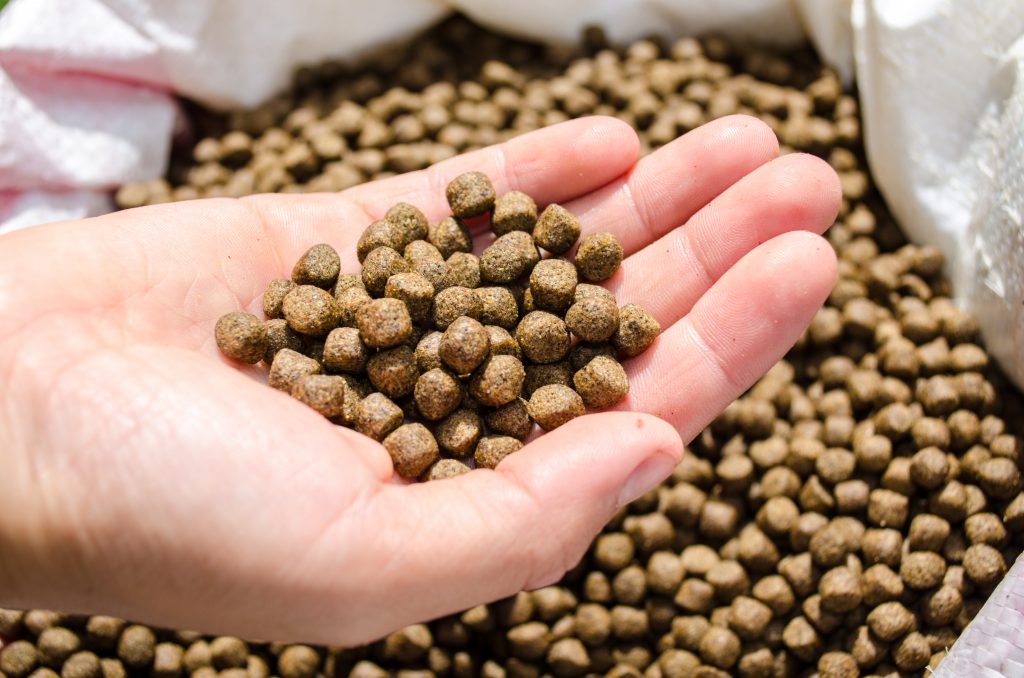
Aquatic feed pellets must maintain their shape in water long enough for fish to consume them.
Binding agents improve pellet integrity and water stability.
Common binders include:
- Wheat gluten
- Starch
- Bentonite clay
- Carboxymethyl cellulose
- Guar gum
Strong pellet stability reduces nutrient loss and minimizes water pollution. (click to investigate)
How Raw Materials Affect Feed Manufacturing
The choice of raw materials directly influences feed processing efficiency.
High-quality ingredients improve:
- Mixing performance
- Pellet durability
- Nutrient retention
- Water stability
Manufacturers carefully evaluate ingredient characteristics before production.
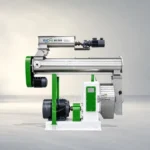
During pelletizing, ingredients are compressed and shaped into pellets using specialized equipment.
Factors such as ingredient quality and formulation significantly affect machine performance and final pellet quality.
The Relationship Between Raw Materials and Fish Pellet Machine Performance
Raw materials not only determine feed nutrition but also influence the operation of feed processing equipment.
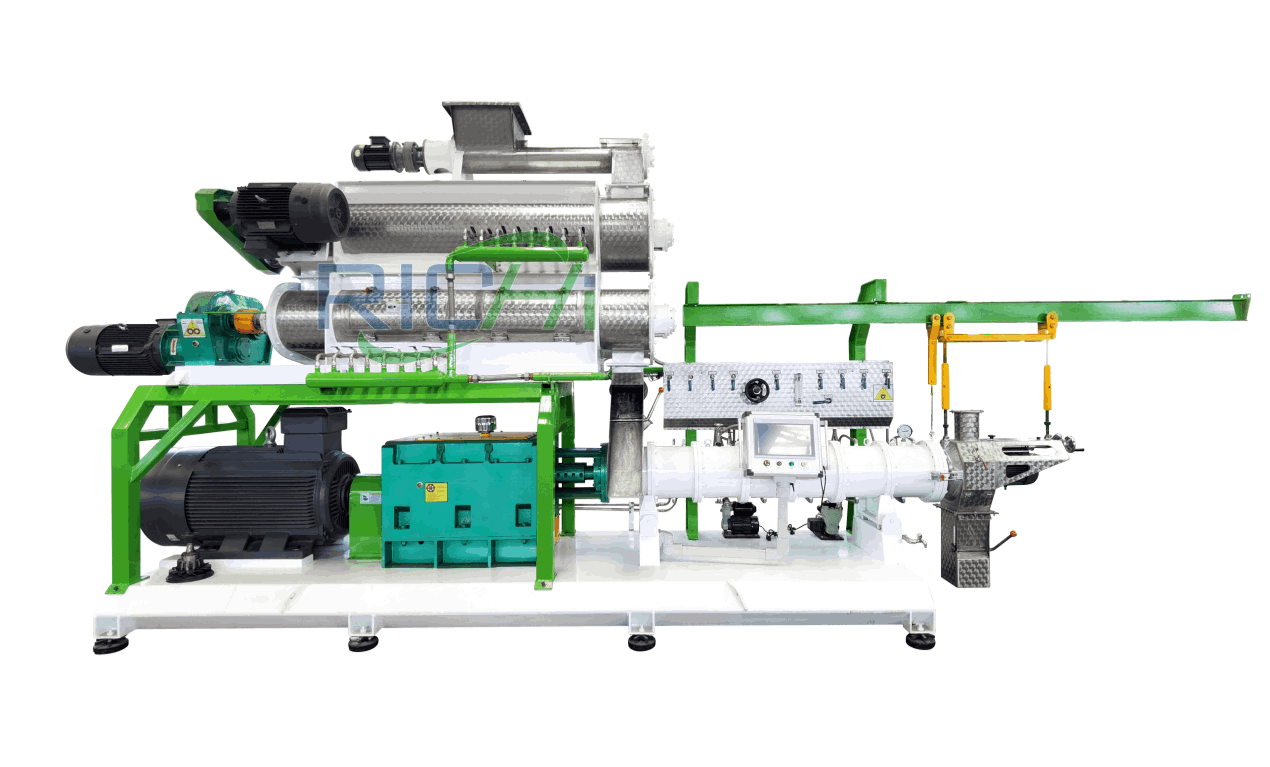
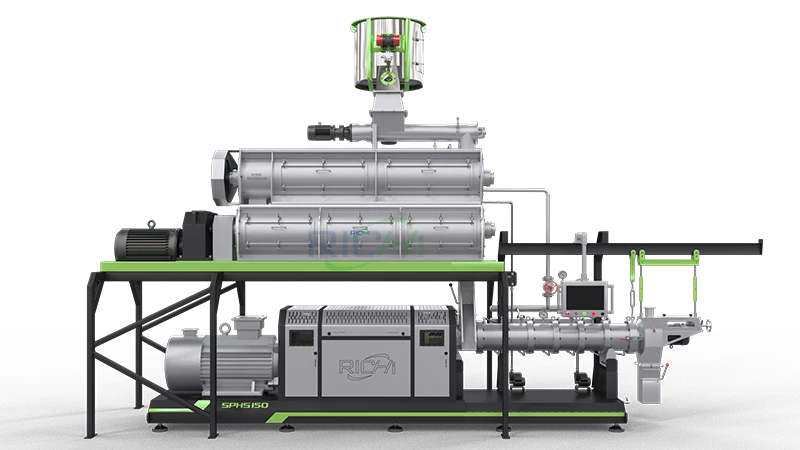
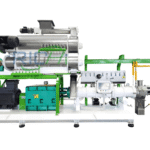
A modern fish feed production line relies on proper ingredient selection to ensure efficient pellet formation.
For example:
- Excess fiber may reduce pellet durability.
- Insufficient starch can weaken pellet binding.
- High oil levels may affect pellet quality.
Because equipment investment is an important consideration for feed producers, many investors compare factors such as production capacity, automation level, and fish pellet machine price before establishing a feed mill.
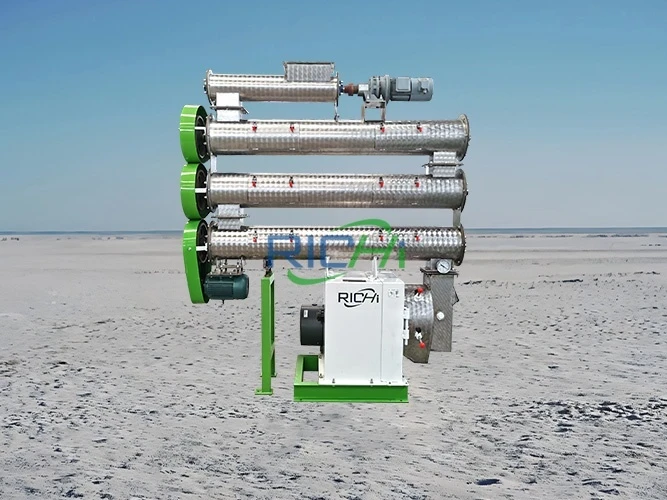
Selecting appropriate raw materials helps maximize the performance and return on investment of pellet production equipment.
Sustainable Ingredient Trends
The aquaculture industry is increasingly focused on sustainability.
Current trends include:
Reducing Fish Meal Dependence
Manufacturers continue to reduce reliance on marine resources by incorporating alternative proteins.
Circular Economy Ingredients
Agricultural and food processing by-products are increasingly utilized as feed ingredients.
Renewable Protein Sources
Insect meal, algae, and microbial proteins are helping improve feed sustainability.
Improved Feed Efficiency
Better ingredients lead to improved feed conversion ratios and reduced environmental impact.
These developments are shaping the future of aquatic feed manufacturing.
Challenges in Raw Material Selection
Despite technological advances, feed manufacturers face several challenges.
Ingredient Price Volatility
Global commodity markets can cause fluctuations in raw material costs.
Supply Chain Disruptions
Availability of certain ingredients may vary by region.
Nutritional Consistency
Raw material composition can differ between suppliers and harvest seasons.
Sustainability Requirements
Consumers and regulators increasingly demand environmentally responsible feed ingredients.
Manufacturers must balance cost, nutrition, and sustainability when selecting raw materials.
Conclusion
Aquatic feed quality begins with the careful selection of raw materials. Protein sources, energy ingredients, lipids, vitamins, minerals, binders, and functional additives all contribute to the nutritional value and performance of aquatic feeds. Each ingredient serves a specific purpose in supporting fish growth, health, and production efficiency.
As aquaculture continues to expand globally, feed manufacturers are increasingly adopting sustainable and innovative ingredients such as insect meal, algae protein, and microbial proteins. These alternatives help reduce environmental impact while maintaining feed quality.
Raw material selection also affects feed processing efficiency and pellet quality. Manufacturers investing in feed production equipment often evaluate factors such as capacity, operational efficiency, and fish pellet machine price to optimize production performance and profitability.
Ultimately, understanding the raw materials used in aquatic feed is essential for producing high-quality feeds that support sustainable and successful fish farming operations around the world.