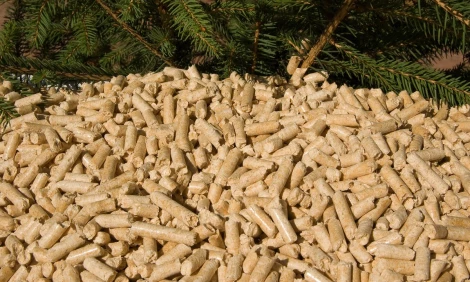

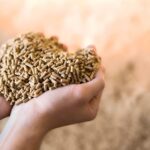


Wood pellet production has become a key part of the biomass energy industry, offering a renewable fuel solution with high energy density and low ash content. The process begins with raw materials such as wood chips, sawdust, or other lignocellulosic residues, which are then processed into uniform pellets suitable for heating or power generation.
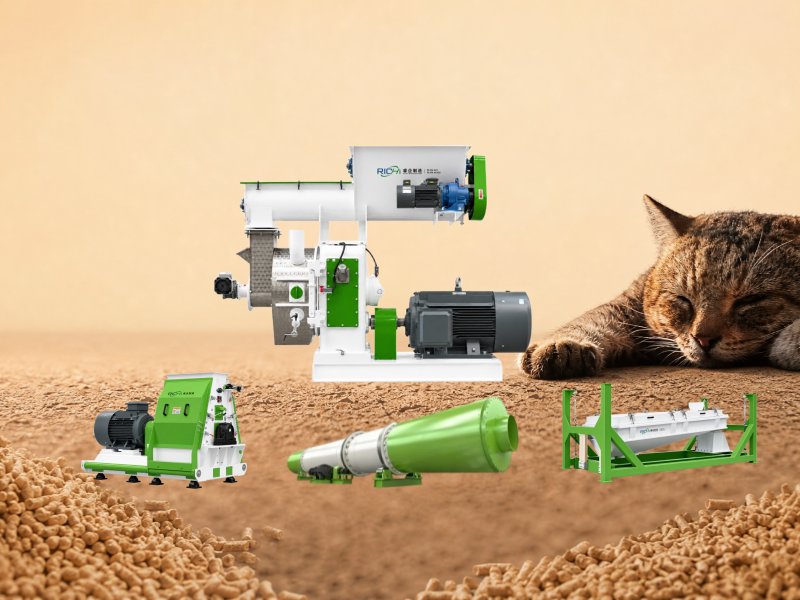
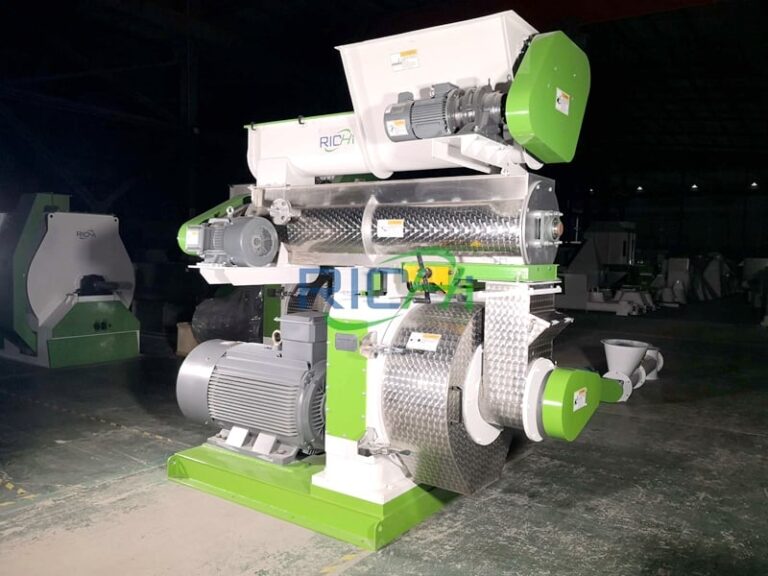
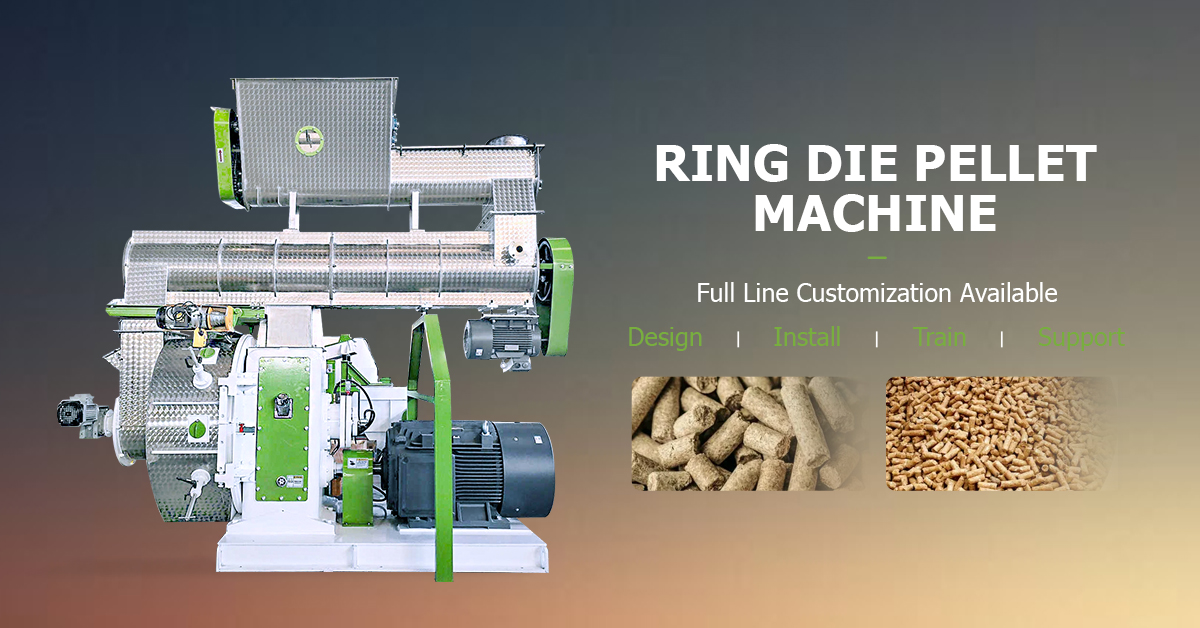
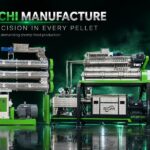
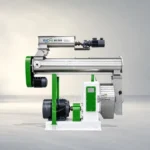
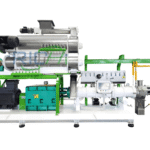

At the heart of any production line is the wood chip pellet machine, responsible for compressing and shaping the pre-processed wood material into dense, cylindrical pellets. The machine ensures consistent pellet size and density, which is crucial for fuel efficiency and transportation stability. Different models are available depending on production capacity and pellet diameter requirements.
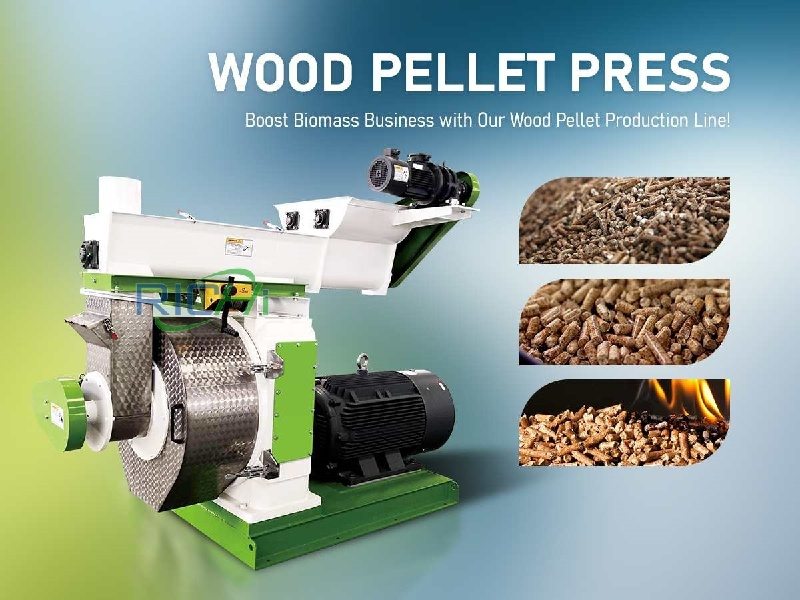
Before pelleting, raw wood materials must be properly reduced in size. This is typically done using a wood chip hammer mill, which breaks down large chips or coarse sawdust into smaller, uniform particles suitable for pelletizing. Proper grinding improves pellet quality and ensures smooth operation of the pellet
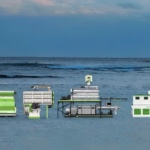
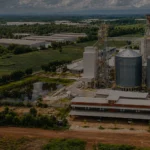
A complete pellet production system also includes auxiliary equipment such as dryers, mixers, conveyors, and cooling units, forming a coordinated workflow from raw material intake to finished pellet packaging. For real-world applications and project examples, you can use this link https://www.richimanufacture.com/biomass-pellet-line-in-indonesia/ to see a completed wood pellet line in operation.
For those considering investment in biomass energy, choosing the right wood pellet maker is crucial. High-quality pellet makers provide reliable operation, energy efficiency, and long-term durability, ensuring stable pellet output and consistent quality. This allows producers to maximize the value of raw wood materials and achieve a sustainable return on investment.
In conclusion, a modern wood pellet production line combines effective size reduction, efficient pelletizing, and careful handling to produce high-quality biomass fuel. From small-scale setups to industrial plants, proper equipment selection and process management are key to achieving optimal pellet quality and energy performance.