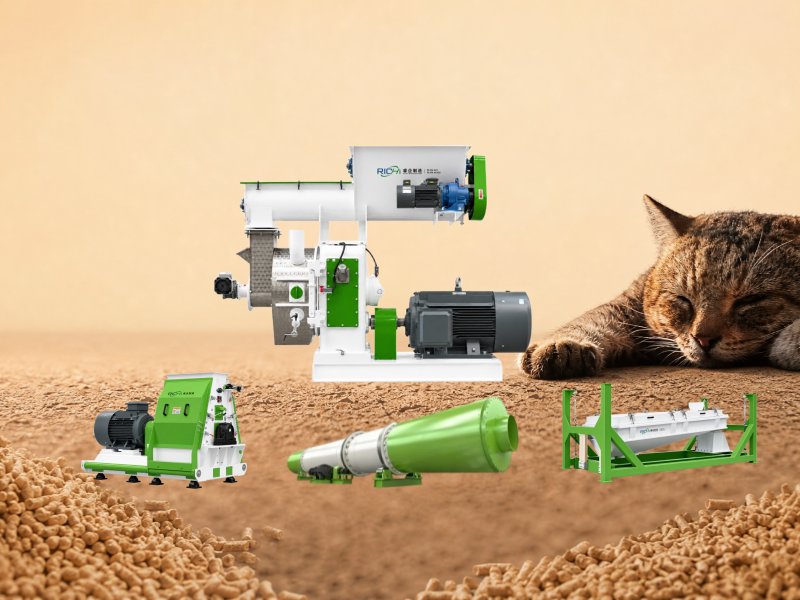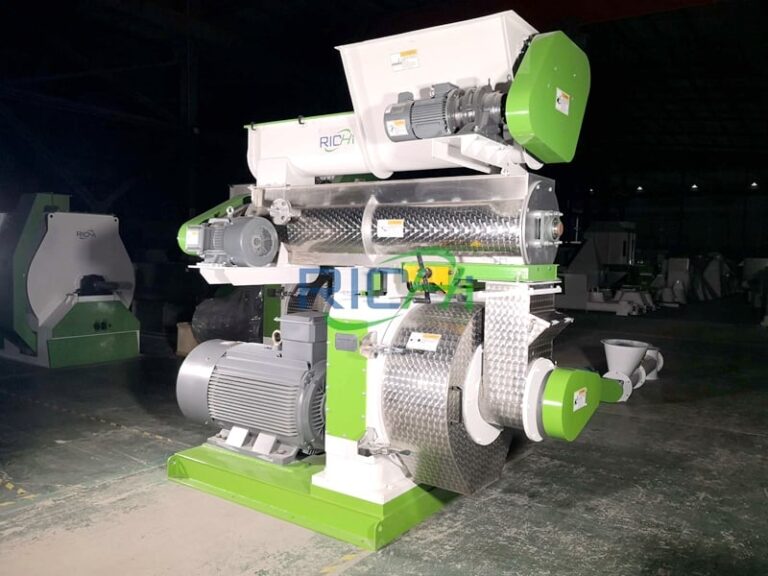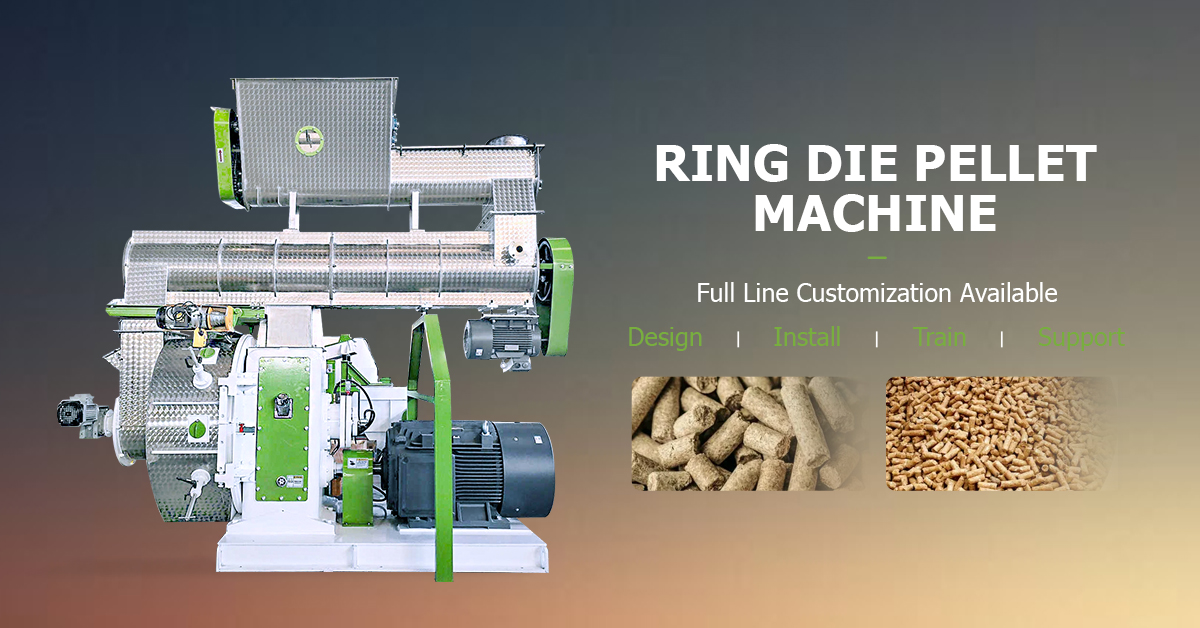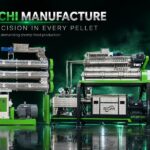

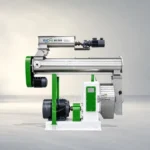
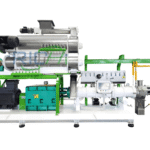




As global industries continue to search for sustainable and cost-efficient energy solutions, biomass fuel has become a practical alternative rather than a future concept. Among all biomass processing equipment, the wood pellet machine stands out as one of the most important tools for turning forestry waste into high-value renewable fuel.
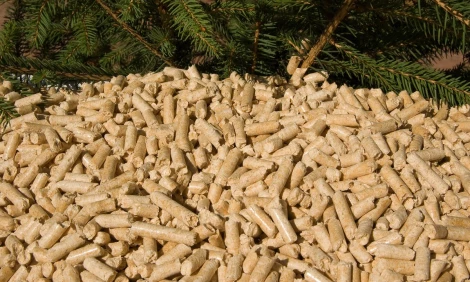
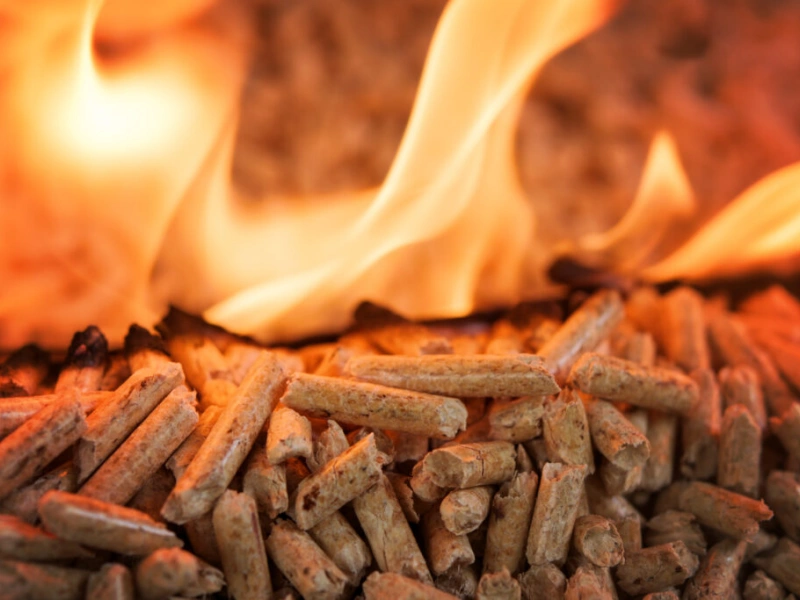
Wood pellets are widely used in industrial boilers, district heating systems, power plants, and even residential heating markets. Their uniform shape, high energy density, and ease of transportation make them more competitive than raw wood chips or loose sawdust. Behind this transformation lies a complete pelletizing process, with the pellet machine at its core.
(Related Post: https://biomasspelletizer.com/wood-pellet-machine/)
From Raw Wood Waste to Marketable Pellets
Wood processing industries generate large amounts of by-products such as sawdust, wood shavings, offcuts, and chips. Without proper utilization, these materials often become a disposal problem. A modern wood pellet machine compresses these residues into dense pellets through high pressure and controlled heat, significantly increasing their commercial value.
The production process usually includes crushing, drying, pelletizing, cooling, and screening. While each step plays a role, the pellet machine directly determines pellet density, durability, and output stability. This is why investors pay close attention to equipment quality when planning pellet projects.
Why Medium-Capacity Production Lines Are Popular
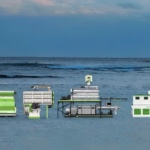
For many new entrants and expanding manufacturers, a 3-4 T/H wood pellet production line offers an ideal balance between investment cost and output capacity. This range is large enough to supply industrial clients while remaining flexible for regional markets.
Such a production line can typically process various wood materials, including pine, eucalyptus, rubberwood, and mixed hardwood residues. With proper configuration, it can operate continuously, reducing downtime and labor costs. This scale is especially suitable for companies aiming to export pellets or supply local energy plants under long-term contracts.
Key Factors Buyers Should Consider
Choosing the right pellet machine is not just about capacity. Factors such as die material, roller design, motor efficiency, and automation level directly affect long-term operating costs. Energy consumption per ton of pellets is a key metric, as electricity costs can significantly impact profitability.
Maintenance accessibility is another overlooked aspect. Machines designed with modular structures allow faster servicing, minimizing production interruptions. For buyers comparing different solutions, it is always helpful to review real project cases and technical explanations—many manufacturers provide detailed insights where you can see post resources that explain system layouts and performance data.
Long-Term Value Beyond Equipment
A pellet project should be evaluated as a complete system rather than a single machine purchase. Stable pellet quality leads to repeat customers, while efficient production reduces waste and emissions. Companies that invest in reliable equipment often gain a stronger reputation in competitive biomass markets.
Manufacturers like Richi Pellet Machine focus on integrating equipment design with real production needs, offering solutions that match raw material conditions and local regulations. This system-oriented approach is increasingly important as pellet standards become stricter worldwide.
In conclusion, a well-chosen wood pellet machine is not just a production tool—it is the foundation of a sustainable and profitable biomass business.