



Introduction to Wood Pellet Factories
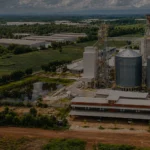
A wood pellet factory is an industrial facility dedicated to converting processed wood materials into standardized biomass pellets. These pellets are widely used as renewable fuel for heating, power generation, and certain industrial applications. The emergence of wood pellet factories reflects broader global trends toward renewable energy, waste valorization, and sustainable industrial practices.
Unlike small-scale pellet production units, a wood pellet manufacturing typically operates as a fully integrated system. It includes multiple processing stages, coordinated material handling, and continuous production workflows. Such factories are designed to ensure consistent product quality, high output efficiency, and compliance with international biomass fuel standards.
Historical Background of Wood Pellet Manufacturing
The concept of densifying biomass materials can be traced back to early industrial briquetting processes in the 19th century. However, modern wood pellet factories began to take shape in the late 20th century, particularly in regions with abundant forestry resources and rising energy costs.
During the oil crises of the 1970s, interest in alternative fuels increased, leading to early commercial pellet plants in Europe and North America. Over time, advancements in mechanical engineering, material science, and automation transformed these early plants into modern wood pellet factories capable of operating at industrial scale.
Today, wood pellet factories are recognized as a mature industrial solution within the global renewable energy sector.
Core Functions of a Wood Pellet Factory
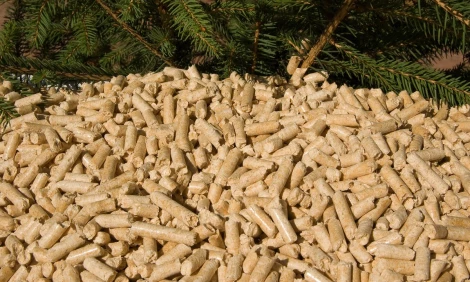
The primary function of a wood pellet factory is to convert low-density wood residues into high-density, uniform pellets. This conversion improves the energy density of raw materials, making them easier to transport, store, and use in automated combustion systems.
In addition to fuel production, wood pellet factories also play a role in waste management. By utilizing byproducts such as sawdust, wood shavings, and forestry residues, these facilities reduce the environmental impact of wood-processing industries.
Through standardized production processes, a wood pellet factory ensures that final products meet specific size, moisture, and durability requirements demanded by domestic and international markets.
Typical Raw Materials Used in Wood Pellet Factories
Wood pellet factories process a wide variety of lignocellulosic materials. Common raw materials include sawdust from sawmills, planer shavings from woodworking plants, wood chips, and forestry residues such as branches and thinning materials.
The suitability of each raw material depends on factors such as moisture content, fiber structure, and contamination levels. Softwood residues are often preferred due to their higher lignin content, which improves pellet binding. However, modern factories are increasingly capable of handling mixed or hardwood materials through precise process control.
The flexibility in raw material sourcing allows wood pellet factories to adapt to regional resource availability and market conditions.
Production Process Inside a Wood Pellet Factory
A wood pellet factory operates through a sequence of interconnected processing stages. Raw materials are first reduced in size to ensure uniform particle distribution. This step is essential for stable downstream processing.
Next, moisture content is adjusted to an optimal range, often through controlled drying systems. Proper moisture levels are critical for pellet durability and mechanical stability. After conditioning, material enters the pelletizing stage, where pressure and friction form dense cylindrical pellets.
Following pellet formation, cooling and screening processes stabilize the product and remove fines. The final pellets are then stored or packaged, ready for distribution. Each stage is designed to operate continuously, ensuring efficiency and consistency.
Industrial Equipment and System Integration
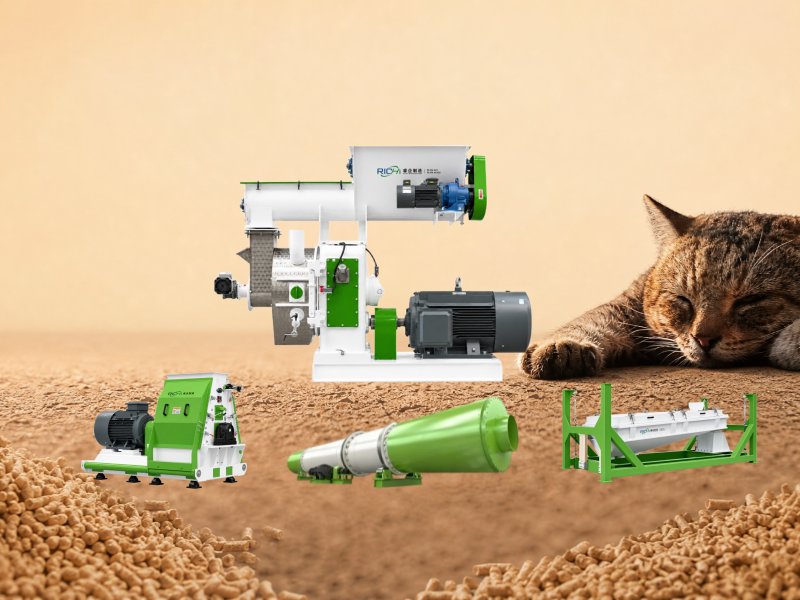
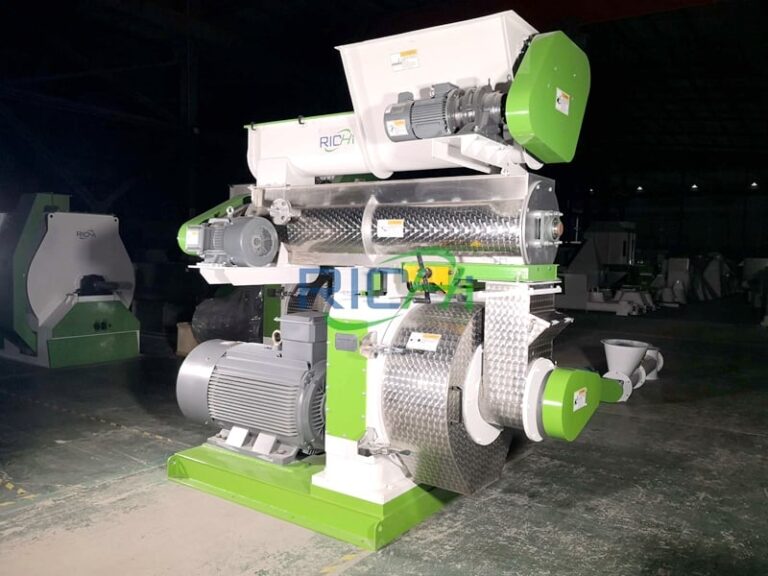
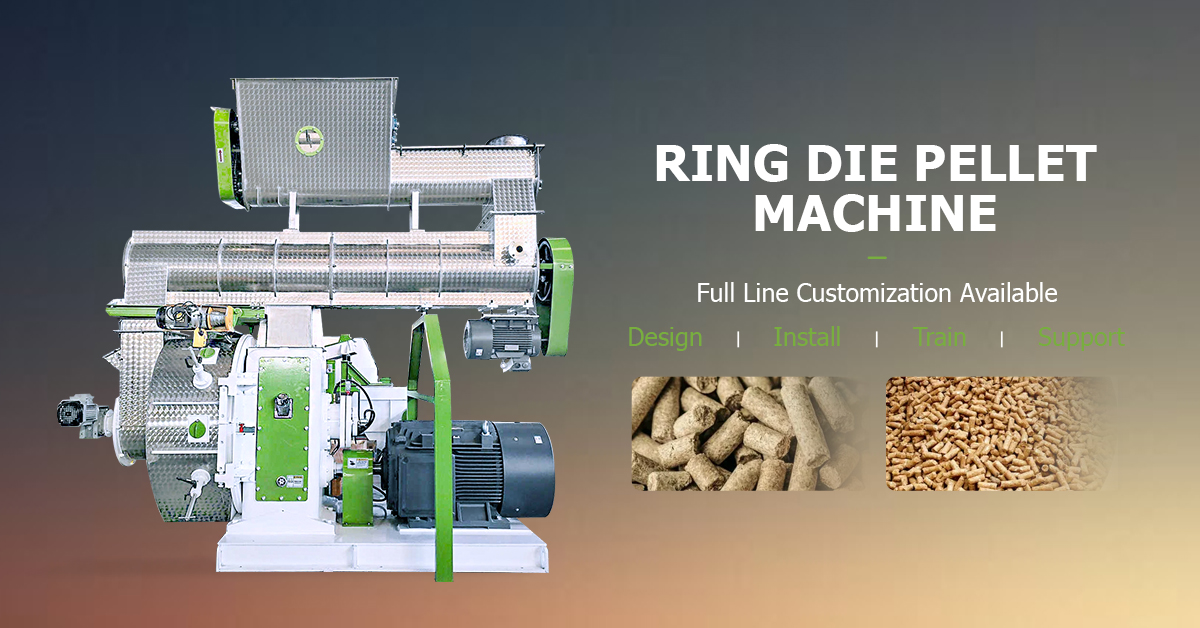
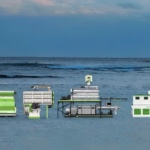
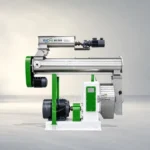
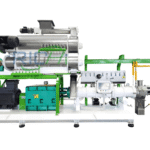
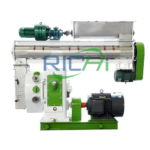
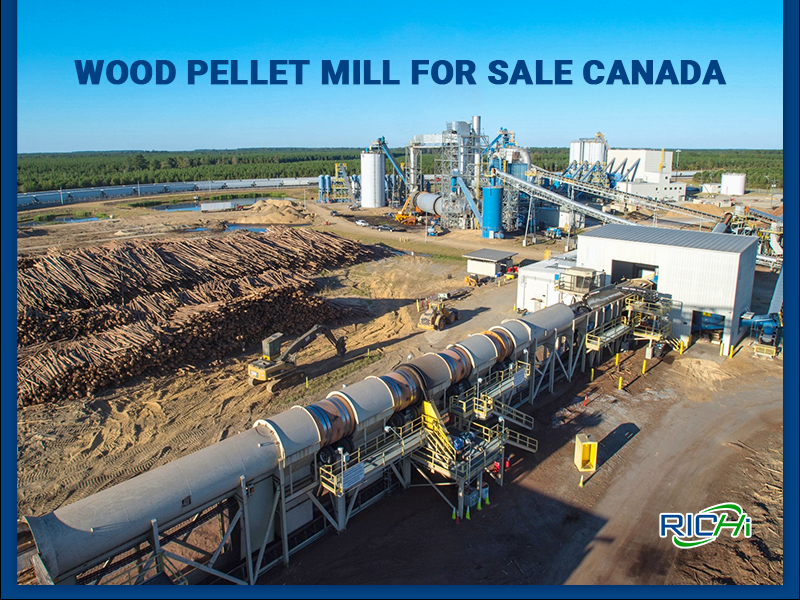
A wood pellet factory relies on a combination of specialized machines working in coordination. These include size reduction equipment, dryers, pellet mills, cooling systems, and material handling components such as conveyors and storage silos.
System integration is a defining feature of factory-scale operations. Material flow must be synchronized to avoid bottlenecks and ensure continuous operation. Automation and control systems monitor parameters such as temperature, pressure, and throughput.
Manufacturers like RICHI have contributed to the development of integrated factory solutions by focusing on compatibility between equipment units and long-term operational stability. https://richipelletizer.com/wood-pellet-line/
Quality Standards and Product Classification
Pellets produced in a wood pellet factory are often subject to national or international quality standards. These standards define specifications for pellet diameter, length, moisture content, ash content, and mechanical durability.
Compliance with recognized standards is particularly important for export-oriented factories, as it ensures compatibility with automated heating systems and large-scale boilers. Quality classification also affects market value, with premium-grade pellets commanding higher prices.
Quality control within a wood pellet factory typically includes regular sampling, testing, and process adjustments to maintain consistent output.
Environmental and Economic Impact
Wood pellet factories contribute to environmental sustainability by promoting the use of renewable biomass instead of fossil fuels. When sourced responsibly, wood pellets are considered a low-carbon energy option, especially when derived from waste materials rather than primary timber.
Economically, these factories create value from materials that might otherwise be discarded. They also support rural employment and contribute to local industrial development, particularly in forestry-rich regions.
By combining waste utilization with energy production, wood pellet factories align closely with circular economy principles. Visit here
Global Distribution and Market Dynamics
Wood pellet factories are distributed unevenly across the globe, reflecting differences in resource availability, energy policy, and infrastructure. Europe has a dense network of pellet factories supporting residential heating and district energy systems.
North America hosts large-scale factories oriented toward export markets, supplying pellets to Europe and Asia. In contrast, emerging markets are increasingly investing in smaller or mid-scale factories to support domestic energy needs.
Equipment suppliers, including RICHI Pellet Mill, adapt factory designs to suit these varying market conditions, offering scalable solutions for different production capacities.
Operation, Maintenance, and Workforce Requirements
Operating a wood pellet factory requires a combination of technical expertise and routine maintenance practices. Skilled operators monitor production parameters, adjust process settings, and respond to operational anomalies.
Maintenance activities focus on wear-prone components, lubrication systems, and alignment of mechanical parts. Preventive maintenance strategies are commonly employed to minimize downtime and extend equipment lifespan.
A well-managed wood pellet factory balances automation with human oversight, ensuring safe and efficient long-term operation.
Technological Advancements and Future Trends
Advancements in automation, data monitoring, and energy efficiency are shaping the future of wood pellet factories. Digital control systems enable real-time monitoring of production variables, improving consistency and reducing waste.
Research into improved die materials, energy recovery systems, and emissions control continues to enhance factory performance. As sustainability requirements become more stringent, wood pellet factories are expected to integrate cleaner and more efficient technologies.
Industry participants, including established manufacturers such as RICHI, are likely to play an ongoing role in advancing these innovations.
Conclusion
A wood pellet factory is a complex industrial system that transforms wood residues into standardized, high-value biomass fuel. Through integrated processing, quality control, and efficient resource use, these factories support renewable energy production and sustainable industrial development.
As global demand for clean energy and circular resource solutions grows, wood pellet factories will remain a critical component of the modern biomass industry. Wood pellet line in Italy